




As an investor, you know how the global economy can be unpredictable. Geopolitical turmoil can affect many parts of the economy and your investments.
When things get uncertain, looking for safe assets is a smart move. Investing in precious metals is seen as a way to protect your investments. These metals don’t usually move in the same way as other investments. This makes them a good choice for adding variety to your portfolio.
Key Takeaways
- Precious metals can serve as a hedge against geopolitical risks.
- Investing in these assets can diversify your portfolio.
- Geopolitical turmoil can impact global economic stability.
- Safe-haven assets like precious metals are attractive during uncertain times.
- A diversified portfolio can help mitigate possible losses.
The Relationship Between Geopolitical Uncertainty and Financial Markets
The link between geopolitical uncertainty and financial markets is complex. Risks like conflicts, terrorism, and natural disasters affect global financial stability.
How Global Conflicts Impact Investment Returns
Global conflicts can cause big swings in investment returns. For example, the Russia-Ukraine conflict made global markets very volatile. This hurt many investor portfolios.
Market Volatility During Political Crises
Market volatility goes up during political crises. The uncertainty of these events can cause sudden and big market changes.
Recent Examples Affecting Indian Markets
The COVID-19 pandemic had a big impact on Indian markets. Geopolitical uncertainty led to big market swings. The pandemic caused a sharp drop in the Indian stock market. But, as governments helped the economy, the market slowly got better.
| Event | Impact on Indian Markets |
|---|---|
| Russia-Ukraine Conflict | Significant volatility in Indian stock markets |
| COVID-19 Pandemic | Sharp decline followed by gradual recovery |

Why Precious Metals Serve as Effective Hedges
Precious metals are seen as a safe choice against global risks. They have shown strong performance during tough economic times. Investors often choose gold, silver, platinum, and palladium when things get uncertain.
Historical Performance During Economic Downturns
Precious metals have always done well in hard times. For example, during the 2008 crisis, gold prices soared. This makes them a solid choice for protecting against global risks.
| Metal | 2008 Price | 2009 Price | % Change |
|---|---|---|---|
| Gold | $869.75 | $1087.50 | +25% |
| Silver | $14.77 | $18.32 | +24% |
Negative Correlation with Traditional Assets
Precious metals also work well because they move opposite to stocks and bonds. When stocks fall, metals like gold and silver often go up. This helps keep investment portfolios balanced.
Preservation of Wealth During Currency Devaluation
They also help keep wealth safe when currencies lose value. As tensions rise, currencies can drop in value. But precious metals usually hold their worth, making them a reliable choice.
In summary, precious metals are great hedges because of their strong past performance, their opposite movement to traditional assets, and their ability to keep wealth safe during currency drops.
Gold: The Premier Hedge Against Geopolitical Risk
Gold stands out as a top choice for protecting investments against geopolitical risks. For ages, gold has kept its value, acting as a currency and wealth storage. As global tensions rise, more people turn to gold as a safe place for their money.
Historical Performance During Major Conflicts
Gold has proven reliable in times of war. For example, during World War II, its price went up a lot. This shows its role as a safe investment. Recently, during the Russia-Ukraine conflict, gold prices also went up as people looked for safe places for their money.
| Event | Gold Price Change |
|---|---|
| World War II | +25% |
| 2008 Financial Crisis | +15% |
| Russia-Ukraine Conflict | +10% |
Physical Gold vs. Paper Gold Investments
Investors can pick between owning physical gold and paper gold. Physical gold, like coins and bars, gives real security. On the other hand, paper gold, like ETFs and futures, is easier to trade and more liquid. Each option suits different investors’ needs.
Cultural Significance in Indian Portfolios
In India, gold is more than just an investment. It’s a sign of wealth and is often used in jewelry. People in India buy gold during special times, making it a big part of their investments.
Knowing how gold acts as a hedge against global risks can guide your investment choices. Whether you choose physical or paper gold, its past performance and cultural importance make it a great addition to your portfolio.
Silver: The Affordable Precious Metal Alternative
Investors are turning to silver as a safe choice due to global tensions. Silver is valuable for both its industrial uses and as an investment. It’s seen as a way to protect against uncertainty.
Industrial Applications and Investment Demand
Silver is key in many areas, from electronics to renewable energy. This makes it appealing during times of turmoil. It also holds value, attracting investors.
Investment Demand: Silver is seen as a shield against inflation and currency loss, like gold. Its use in ETFs and bars is growing.
Silver-to-Gold Ratio During Geopolitical Events
The silver-to-gold ratio shows how silver compares to gold during global events. This ratio has changed over time, revealing silver’s value relative to gold.
| Event | Silver-to-Gold Ratio |
|---|---|
| Pre-Conflict | 80:1 |
| During Conflict | 90:1 |
| Post-Conflict | 75:1 |
Popular Silver Investment Options in India
In India, there are many ways to invest in silver. Options include physical silver like coins and bars, and financial products like silver ETFs. Digital silver is also available.
Physical Silver: Investing in physical silver means holding a real asset. But, it needs safe storage.
Digital Silver: Digital platforms make investing in silver easy. They eliminate the need for physical storage, appealing to many.
Platinum and Palladium: Industrial Metals with Hedging Potential
Beyond gold and silver, platinum and palladium offer unique hedging opportunities. Their industrial demand and supply constraints make them special. These metals are key in the automotive industry, mainly in catalytic converters.
Supply Constraints and Geopolitical Risks
Platinum and palladium face significant supply constraints. South Africa is the biggest producer of platinum, while Russia leads in palladium. Geopolitical risks in these areas can cause supply disruptions, affecting prices.
Performance During Trade Wars and Sanctions
During trade wars and sanctions, platinum and palladium prices can move a lot. For example, sanctions on Russia can impact palladium supply, raising its price. It’s key for investors to understand these dynamics when hedging against geopolitical risks.
Availability and Investment Options in India
In India, investors can find platinum and palladium through digital platforms, coins, and bars. Some products offer exposure to these metals. It’s vital for investors to research reputable dealers and grasp the market before investing.
By investing in platinum and palladium, Indian investors can boost their hedging strategies. This helps against geopolitical risks and market volatility.
The Indian Market for Precious Metals
India’s love for precious metals comes from its rich culture and history. Gold and silver have always been key in Indian jewelry and decorations. They hold deep cultural and investment value.
Cultural and Historical Significance
Precious metals, like gold, are more than just items in India. They symbolize wealth and are used in big celebrations. Experts say gold is a big part of Indian culture.
Regulatory Framework and Recent Policy Changes
The Indian government has set rules for the precious metals market. They’ve introduced the Hallmarking system to check gold’s purity. They also support digital platforms for buying and selling.
Tax Implications for Indian Investors
Investors in India should know about taxes on precious metals. The Goods and Services Tax (GST) has changed the market. It’s important to understand its impact.
Impact of GST on Precious Metals Investments
GST has changed the precious metals market a lot. It has made taxes clearer but also raised investment costs. Investors must consider GST when deciding to invest.
Understanding the Indian precious metals market is key for investors. Knowing about laws, taxes, and cultural trends helps make better choices.
Physical Ownership vs. Paper Investments in India
In India, investors face a choice between physical metals and paper investments. Each has its own benefits and drawbacks. It’s important to know these before deciding.
Pros and Cons of Holding Physical Metals
Having physical metals means you control your assets directly. You can keep them in a safe or bank locker. They can protect against inflation or currency loss. But, there are costs like storage, insurance, and the risk of fake metals.
“Physical gold is a real asset that can feel secure,” a financial expert notes. “But, it needs careful storage to keep its value.”
ETFs, Sovereign Gold Bonds, and Digital Gold Options
Paper investments are easier and often cheaper. ETFs, Sovereign Gold Bonds, and digital gold are popular. ETFs let you invest in metals without physical delivery. SGBs offer government backing and tax benefits. Digital gold platforms make buying and selling online cheaper.
Sovereign Gold Bonds from the Reserve Bank of India are a good alternative to physical gold. They offer a 2.5% interest rate, making them attractive for regular returns.
Storage and Insurance Considerations for Indian Investors
Physical ownership requires thinking about storage and insurance costs. Banks and safe deposit lockers are secure but charge annual fees. Insurance adds more costs. Paper investments avoid these costs, making them cheaper over time.
In conclusion, choosing between physical and paper investments depends on your financial goals and risk level. Knowing the pros and cons helps you make a choice that fits your investment strategy.
Creating a Balanced Precious Metals Portfolio
A well-diversified precious metals portfolio is key in uncertain times. It helps protect your investments from market ups and downs. Precious metals are a smart choice for this.
Optimal Allocation Percentages for Indian Investors
Finding the right amount to invest in precious metals is important. For those in India, experts suggest 5% to 15% of your portfolio. This balance protects you from big losses without risking too much.
| Investment Profile | Conservative | Moderate | Aggressive |
|---|---|---|---|
| Allocation to Precious Metals | 5% | 10% | 15% |
Diversification Across Different Metals
Spreading your investments across various metals is essential. This means investing in gold, silver, platinum, and palladium. Each metal reacts differently to world events, making it wise to diversify.
For example, gold is seen as a safe choice. Silver, on the other hand, is used in many industries, affecting its price differently than gold.
Rebalancing Strategies During Turbulent Times
When markets are shaky, it’s time to rebalance your portfolio. This means checking your investments and adjusting them to match your risk level. It keeps your portfolio in line with your goals, no matter what the market does.
For instance, if gold prices rise during tense times, your portfolio might have too much gold. To fix this, you sell some gold and put the money into other metals or investments.
By sticking to these tips, you can make a balanced precious metals portfolio. It will help you stay strong during tough times.
Case Studies: How Precious Metals Performed During Major Crises
Learning about precious metals in investment portfolios during big crises is key. They have been a safe place during tough times.
2008 Financial Crisis
In 2008, gold prices soared as people looked for safe places to put their money. Gold went from $800 per ounce at the start of 2008 to $1,200 by the end of 2009. This shows gold’s value as a protection.
COVID-19 Pandemic
The COVID-19 pandemic caused big ups and downs in the market. Precious metals, like gold and silver, became more popular. Gold hit a record high of over $2,000 per ounce in August 2020.
Russia-Ukraine Conflict
The ongoing Russia-Ukraine conflict made people want to invest in safe things. Gold and silver prices went up because of the uncertainty.
Impact on Indian Investors During These Events
For Indian investors, these times showed why it’s smart to mix precious metals in your portfolio. As
“The value of gold tends to increase during times of geopolitical tension,”
an expert said. This points out gold’s role as a solid protection.
In summary, looking at how precious metals did in big crises gives us useful lessons. By knowing how they act, we can handle uncertain money times better.
Buying Precious Metals in India: A Practical Guide
India’s precious metals market is full of chances, but it’s complex. As an investor, you know precious metals help protect against global issues and economic worries.
Reputable Dealers and Marketplaces
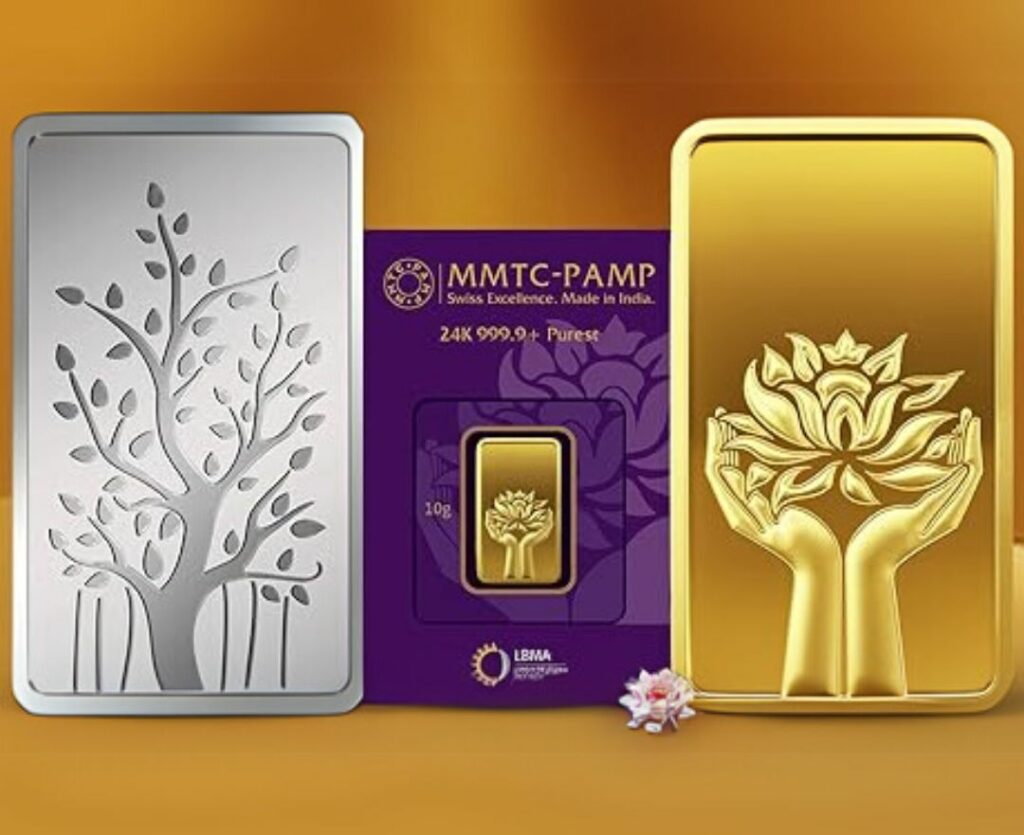
To invest in precious metals, finding good dealers is key. Look for sellers with certifications from the Bureau of Indian Standards (BIS) or the London Bullion Market Association (LBMA). MMTC-PAMP and online sites are known for selling real precious metals.
Authentication and Certification
It’s vital to check if precious metals are real. Always look for hallmarks and certifications from trusted groups. The BIS hallmark is a top standard in India for gold and silver. Online, make sure sellers share details on the product’s purity and weight.
Digital Platforms for Precious Metals Trading
Digital platforms have made buying and selling metals easier. Now, you can invest in precious metals from home.
Mobile Apps and Online Services
Apps like those from MMTC-PAMP let you buy, sell, and store metals safely. They offer current prices, secure storage, and the chance to turn digital into physical metals. When picking a platform, think about security, fees, and customer support.
Investing in precious metals in India requires knowledge. By choosing trusted dealers, checking authenticity, and using digital tools, you can invest wisely.
“The future of precious metals investment is digital, and India is at the forefront of this change.”
Common Mistakes Indian Investors Make with Precious Metals
Many Indian investors face big risks when they invest in precious metals. These risks can harm their financial future. Knowing these common mistakes can help you make better choices.
Overallocation and Portfolio Imbalance
One big mistake is putting too much into precious metals. This can make your investment portfolio unbalanced. It’s key to spread your investments to lower risks.
Ignoring Storage and Insurance Costs
Investing in real precious metals also means extra costs. These include storage and insurance. Not accounting for these can cut into your profits.
Falling for Counterfeit Products
There’s a big risk of fake products. It’s vital to buy from trusted sellers and check the realness of your metals.
Timing the Market Incorrectly
Trying to guess when to buy or sell is hard. Even experts struggle. It’s better to avoid trying to time the market.
| Common Mistake | Potential Consequence | Mitigation Strategy |
|---|---|---|
| Overallocation | Portfolio Imbalance | Diversify Investments |
| Ignoring Costs | Reduced Returns | Factor in Storage and Insurance |
| Counterfeit Products | Financial Loss | Buy from Reputable Dealers |
| Incorrect Timing | Missed Opportunities | Avoid Market Timing |
By knowing these common mistakes and how to avoid them, you can make smarter choices in precious metals.
The Role of RBI and Global Central Banks in Precious Metals Markets
Global central banks, like the Reserve Bank of India (RBI), play a big role in the precious metals market. They shape it with their monetary policies and gold reserves strategies. Their actions greatly affect the prices of gold and other precious metals.
India’s Gold Reserves Strategy
The RBI oversees India’s gold reserves as part of the country’s foreign exchange reserves. It aims to keep an optimal level of gold to ensure financial stability. India’s gold reserves have been growing, showing the RBI’s careful management of the country’s wealth.
Impact of Monetary Policy on Metal Prices
Monetary policies from central banks, including the RBI, can greatly affect precious metals prices. When central banks use policies like quantitative easing, it can weaken the currency. This makes gold more appealing as a hedge against inflation. On the other hand, stricter policies can strengthen the currency, making gold less attractive.
Gold Monetization Schemes in India
The RBI has launched gold monetization schemes to encourage investing in gold. These schemes let people and institutions deposit gold into banks. Banks can then use this gold for lending, aiming to reduce reliance on imported gold and make better use of domestic gold.
Digital Alternatives: Cryptocurrency vs. Precious Metals
Cryptocurrencies have brought up a debate on their role as safe-haven assets compared to precious metals. When thinking about diversifying your portfolio, it’s key to know the good and bad of both.
Comparative Performance During Crises
Cryptocurrencies like Bitcoin have shown big swings during global crises, sometimes beating traditional safe-havens like gold. For example, during the COVID-19 pandemic, Bitcoin first dropped but then jumped up, unlike gold which kept its value steady. This shows the different risks these assets carry.
But, precious metals have a long history of keeping their value when the economy is down. As
“Gold is a safe-haven asset that investors flock to during times of uncertainty,”
an expert says, showing how reliable precious metals are.
Regulatory Environment in India
In India, the rules for cryptocurrencies are changing. The government has been careful, with talks of banning them. But, investing in precious metals is supported through schemes like the Sovereign Gold Bond. Knowing these rules is important when investing.
Building a Hybrid Safe Haven Portfolio
For risk reduction, you might want to mix cryptocurrencies and precious metals in your portfolio. This mix can balance the ups and downs of digital assets with the steady value of traditional safe-havens.
By understanding what makes each asset class unique, you can make choices that fit your investment goals and how much risk you’re willing to take.
Precious Metals and Retirement Planning for Indians
Planning for retirement? Adding precious metals to your portfolio can protect against market ups and downs. For Indians, gold has been a reliable investment for ages.
Incorporating Gold in Long-term Savings
Start by setting aside some of your long-term savings for gold. You can invest in physical gold, Gold ETFs, or Sovereign Gold Bonds. Each has its own perks, and mixing them can boost your returns while cutting down risks.
Tax-Efficient Strategies
Think about taxes when investing in precious metals for retirement. For example, Sovereign Gold Bonds are tax-free if held until they mature. Talk to a financial advisor to find the best tax strategy for your retirement planning.
Gold Pension Plans and Alternatives
Traditional pension plans might not include gold, but you can invest in gold for retirement. Some products let you invest in gold as part of your retirement fund. This can protect against inflation and market swings.
| Investment Option | Benefits | Tax Implications |
|---|---|---|
| Physical Gold | Direct ownership, tangible asset | Capital Gains Tax applicable |
| Gold ETFs | Ease of trading, no storage issues | Capital Gains Tax applicable |
| Sovereign Gold Bonds | Tax-free on maturity, fixed returns | Exempt from capital gains tax if held till maturity |
Adding precious metals to your retirement plan can make your portfolio stronger and more varied. It’s key to know your financial goals and how much risk you can take. This will help you decide how much to invest in precious metals.
Future Outlook for Precious Metals in a Changing Geopolitical Landscape
As global tensions rise, precious metals’ role in investments is changing. You might know that precious metals act as a safe haven during geopolitical uncertainty. The future of these metals will be shaped by supply chain issues and new technologies.
Supply Chain Disruptions and Mining Challenges
The precious metals supply chain is complex and prone to disruptions. Mining challenges like lower ore grades and higher costs will affect metal availability. Think about how these issues might change precious metals’ prices and demand.
Emerging Technologies and Demand Patterns
New technologies, like those in renewable energy, will boost demand for metals like silver, platinum, and palladium. Look into how these tech advancements could change precious metals demand.
India’s Growing Influence in Global Precious Metals Markets
India is a big player in the global precious metals market, mainly in gold. The country’s economic growth and investment in metals will shape the market. Consider how India’s influence might affect precious metals’ future.
| Factor | Impact on Precious Metals |
|---|---|
| Supply Chain Disruptions | Increased prices due to reduced availability |
| Emerging Technologies | Increased demand for specific metals |
| India’s Growing Influence | Potential for increased global demand and price impact |
Understanding these factors is key to effectively navigating the future precious metals market.
Conclusion: Building Resilience Through Precious Metals Investing
Geopolitical turmoil can shake financial markets. Precious metals like gold, silver, platinum, and palladium are key to a strong investment portfolio. They help shield your wealth from market ups and downs.
Precious metals investing is a reliable way to guard against uncertainty. These metals often shine when the economy falters. Their opposite moves to stocks and bonds make them great for spreading out risk.
Adding precious metals to your portfolio can make it more resilient. You can choose physical metals or go for paper investments like ETFs or Sovereign Gold Bonds. Regularly rebalancing your portfolio keeps it on track with your financial goals.
Investing in precious metals is a smart move to safeguard your wealth and secure your financial future. With a diversified portfolio that includes these metals, you’re better equipped to face the changing global economy.