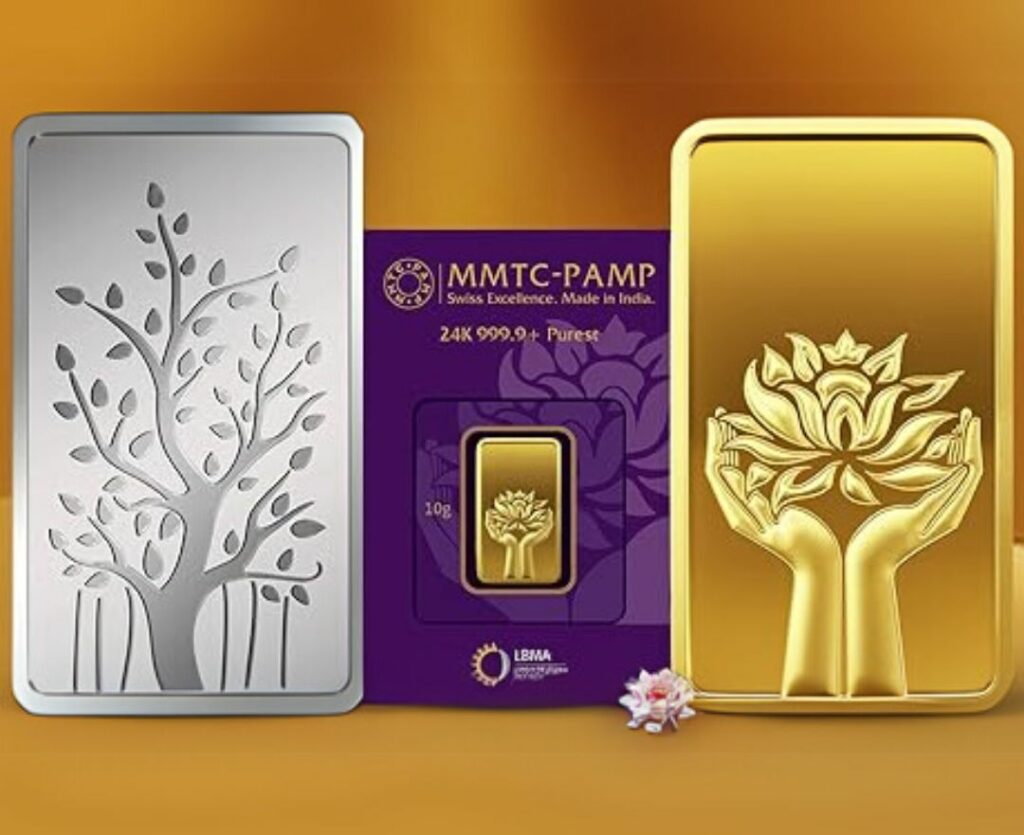






If you’re a jeweller, you know big changes are coming. The Bureau of Indian Standards (BIS) has made hallmarking for silver jewelry and artifacts mandatory, starting September 1, 2025. This change is to make sure the metals are real and pure, building trust with customers.
But, making these changes can be tough. Jewellers must follow precious metal stamping rules, which takes time and money. They need to change how they manage their stock and sell items.
It’s important to know about these challenges to make the transition easier. In this article, we’ll look at the main problems jewellers face and how to solve them.
Key Takeaways
- The BIS has made hallmarking mandatory for silver jewelry and artifacts from September 1, 2025.
- Jewellers must comply with precious metal stamping regulations.
- The transition requires significant operational changes.
- Understanding the challenges is crucial for a smooth transition.
- Jewellers need to adapt their inventory management and sales processes.
The Evolution of Jewelry Authentication in India
In India, both jewelers and consumers have a long history of checking jewelry authenticity. For centuries, verifying the purity of precious metals has been key. This has led to big improvements over time.
Traditional Methods of Verifying Precious Metal Purity
Jewelers in India once used touchstone testing to check gold and other metals. This ancient method involved rubbing the metal against a touchstone. Then, they compared it to a known sample. Though it worked, it wasn’t always accurate or consistent.

The Journey Toward Standardized Hallmarking
In 2000, the modern hallmarking system started. It brought a big change towards better quality assurance. Hallmarking checks the purity of precious metals at special centers. This move has made people trust jewelry more.
| Method | Description | Accuracy |
|---|---|---|
| Touchstone Testing | Ancient technique using a touchstone to verify metal purity | Moderate |
| Modern Hallmarking | Standardized system verifying precious metal purity | High |
The growth of jewelry authentication in India shows a big push for quality assurance and hallmarking standards. As the industry keeps changing, knowing about these standards is key for everyone involved.
Understanding India’s Mandatory Hallmarking System
The mandatory hallmarking in India is a big change. It makes sure jewelry is real. This system checks the purity of metals in jewelry. It helps people trust the market more.
The Bureau of Indian Standards (BIS) Framework
The Bureau of Indian Standards (BIS) is India’s standards body. It makes sure hallmarking is done right. The BIS checks and certifies jewelry to meet purity standards.
Key components of the BIS framework include:
- Testing of precious metals to determine their purity
- Certification of jewelry that meets the BIS standards
- Regular surveillance to ensure compliance
Jewelers follow the BIS to get their products hallmarked. This gives buyers peace of mind about the metal’s quality.
The HUID System: Decoding the Six-Digit Alphanumeric Code
The Hallmark Unique Identification Number (HUID) is a six-digit code for hallmarked items. It makes tracing and authenticating jewelry easier.
The HUID code tells you about the jewelry. It shows the assaying center, the year made, and a unique item number.
Knowing the HUID code is key for checking jewelry’s realness and purity.
Verification Process for Consumers and Retailers
People and shops can check jewelry’s authenticity with the HUID code. They can use the BIS website or a mobile app. Just enter the HUID to see details about the jewelry.
“The HUID system is a game-changer in the jewelry industry, providing an additional layer of assurance for consumers and setting a new standard for jewelry authentication.”
With the HUID, buyers can make better choices. Shops can earn trust by showing clear, verifiable product info.
Phased Implementation and Transition Timeline
India is introducing a mandatory hallmarking system for jewellers. The Bureau of Indian Standards (BIS) has set a timeline for this change. It helps jewellers adjust to the new hallmarking standards and quality assurance rules.
Current Coverage and Expansion Plans
The hallmarking system is starting in different parts of India. It focuses on big jewelry markets first. The BIS aims to cover more areas soon, making sure all jewellers follow the mandatory hallmarking system.
Check with local authorities for updates on when it will reach your area.
Navigating the Grace Periods and Deadlines
The BIS has given jewellers until August 31, 2025, to either sell or hallmark their stock. You must plan how to manage your inventory and meet the rules. You’ll need to follow the hallmarking rules step by step during this time.
It’s key to keep up with the deadlines and grace periods to avoid fines.
Knowing the phased rollout and timeline helps you smoothly move to the new hallmarking rules. This improves the quality assurance of your jewelry and keeps you in line with jewelry marking laws.
Financial Challenges of Hallmarking Compliance
India’s new hallmarking rules bring big financial hurdles for jewellers. Knowing the costs is key to staying competitive.
Initial Investment Requirements for Small and Large Jewellers
Starting up with hallmarking means buying testing and marking gear. Precious metal stamping machines and assaying tools are needed. Small shops find this hard, needing a lot of money upfront. Big shops can handle the cost but still face challenges in fitting new gear into their setup.
Experts say the real cost is more than just the gear. It’s also about training staff and changing how you do business. Many in the field are finding it tough to keep up with costs and stay competitive.
Ongoing Operational Costs and Budgeting Strategies
There are ongoing costs like hallmarking fees, equipment upkeep, and staff training. To keep these costs down, jewellers need solid budget plans.
Fee Structures for Different Jewelry Categories
Fees for hallmarking change based on the jewelry type and metal. Gold, for example, costs differently than silver or platinum. Knowing these fees is vital for budgeting.
Cost-Effective Approaches to Compliance
To lessen the financial hit of hallmarking, jewellers can use smart strategies. Buying gear that works for many metals and using tech for better metal purity certification are good ideas.
By being proactive with hallmarking, you can meet rules and boost your brand’s image. Keeping up with hallmarking news is key for success in the future.
Operational Disruptions During the Hallmarking Transition
The move to hallmarking will cause some hiccups in your business. You’ll need to manage your inventory and workflow differently. Making sure your jewelry is authentic and of high quality is key during this time.
Inventory Management Challenges
Managing your inventory will be a big challenge. You’ll have to sort and track your items to meet hallmarking standards. This means:
- Figuring out which items need hallmarking
- Keeping hallmarked and unhallmarked items separate
- Keeping detailed records of hallmarked items
Good inventory management is crucial to avoid problems. Think about using a strong inventory tracking system to help.
| Inventory Type | Hallmarking Status | Action Required |
|---|---|---|
| New Stock | Not Hallmarked | Send for hallmarking before sale |
| Existing Stock | Not Hallmarked | Plan for hallmarking during the next assaying center visit |
| Existing Stock | Hallmarked | No action required |
Workflow Adaptations for Efficient Processing
To handle the changes smoothly, you’ll need to adjust your workflow. This includes:
- Training staff on the new hallmarking steps
- Changing production schedules to include hallmarking
- Working with assaying centers for better hallmarking
By making your workflow more efficient and training your staff well, you can lessen the disruption. Focus on hallmark verification to keep up with standards and gain customer trust.
Regional Disparities in Hallmarking Infrastructure
India’s hallmarking standards show a big difference between cities and rural areas. As hallmarking becomes mandatory, jewellers in different places face different problems. This is because assaying centers are not spread out evenly.
Urban vs. Rural Access to Assaying Centers
Big cities have better access to assaying centers and hallmarking services. But, rural and distant places lack the needed setup. This makes it hard for jewellers to follow the new rules.
A jeweller in a rural spot might have to travel far to get their items checked and hallmarked. This causes delays and higher costs.
The difference in access to assaying centers hurts the compliance rate and puts rural jewellers at a disadvantage. It’s key to fix this to make sure all jewellers have a fair chance.
Collaborative Solutions for Underserved Areas
To solve these regional issues, we need to work together. One idea is to create mobile assaying units. These could go to places without fixed centers, helping jewellers there.
Another plan is to team up with local governments or industry groups. Together, they could open new assaying centers in rural spots.
“The jewelry industry must work together to address the infrastructure challenges and ensure that all jewellers, regardless of their location, can comply with the hallmarking standards.”
By using these team-up strategies, we can lessen the gap in hallmarking setup. This will help make the industry more fair and open for everyone.
Technical Challenges in Hallmarking Implementation
Starting mandatory hallmarking brings technical hurdles for jewelers. Knowing these challenges is key for a smooth changeover.
Adapting to New Testing Methodologies
The hallmarking process uses advanced tests to check metal purity. You’ll need to learn about X-Ray Fluorescence (XRF) and Acid Testing. These methods are precise but need new tools and staff training.
| Testing Methodology | Description | Advantages |
|---|---|---|
| XRF | Non-destructive testing using X-rays to determine metal composition | High accuracy, quick results |
| Acid Testing | Chemical testing to verify metal purity | Cost-effective, widely used |
Special Considerations for Antique and Artisanal Jewelry
Antique and artisanal jewelry face special hallmarking challenges. You must balance authenticity with preserving craftsmanship.
Preserving Craftsmanship While Ensuring Compliance
For antiques, hallmarking must not harm the item. You might use gentler testing methods.
Alternative Solutions for Unique Pieces
Artisanal jewelry needs special care due to its unique designs and materials. Work with assaying centers to find the right solutions. This ensures they meet hallmarking standards without losing their essence.
By tackling these technical hurdles, you can smoothly move to the new hallmarking system. This will boost your jewelry’s credibility and value through reliable hallmark verification and metal purity certification.
Consumer Education About Hallmarking Standards
The hallmarking system in India aims to ensure quality. But, it needs consumer education to succeed. As a buyer, knowing about hallmarking is crucial for your jewelry choices.
Communicating the Value of Hallmarked Jewelry
It’s important to talk about hallmarked jewelry’s value. Jewellers and regulators must teach consumers about hallmarking’s perks. These include assurance of purity and quality guarantee. This knowledge helps you make better choices.
A BIS official said, “Hallmarking shows quality that consumers can trust. It’s our duty to teach them its importance.”
“Hallmarking is a consumer’s assurance that the jewelry they purchase is genuine and of the quality they expect.”
Building Consumer Trust Through Transparency
Transparency is key to trust. Jewellers should share the hallmarking process and details about the jewelry’s purity and quality. You should be able to check the hallmarking information easily.
Jewellers can explain hallmarking simply. They can also offer documents or digital checks to prove the jewelry’s authenticity.
Supply Chain Adaptations for Hallmarking Efficiency
The hallmarking process makes jewellers rethink their supply chain for better efficiency. Adapting your supply chain is key to avoid disruptions and keep your business running smoothly.
Restructuring Supplier Relationships
To boost hallmarking efficiency, review and possibly change your supplier relationships. Check if your current suppliers meet hallmarking needs. If not, look for new ones. Good communication with suppliers is essential to ensure they follow the new rules.
- Check if current suppliers meet hallmarking needs
- Make contracts that include hallmarking rules
- Plan for what to do if suppliers don’t meet the rules
Streamlining Logistics Between Production and Assaying
Improving logistics is crucial to cut down on delays and costs. Optimize inventory and production to match assaying times. Using a just-in-time inventory system can reduce the time between making and hallmarking items. This helps avoid inventory from going bad or getting stuck.
| Logistics Component | Pre-Hallmarking | Post-Hallmarking |
|---|---|---|
| Inventory Management | Traditional stock management | Just-in-time inventory |
| Production Scheduling | Based on demand forecasts | Aligned with assaying schedules |
| Supply Chain Visibility | Limited tracking | Real-time tracking and monitoring |
By adjusting your supply chain for hallmarking, you can smoothly adapt to new rules. This not only ensures compliance but also boosts your efficiency. It helps you stay competitive and gain customer trust through precious metal stamping and jewelry authentication.
Legal Compliance and Regulatory Navigation
Jewellers must follow hallmarking standards to avoid penalties and keep customer trust. The Bureau of Indian Standards (BIS) has strict rules for this.
Understanding Penalties and Enforcement Mechanisms
The BIS checks for compliance often. If jewellers don’t follow the rules, they face big fines or even lose their business. It’s key for them to know how these rules work.
Documentation Requirements and Record-Keeping Best Practices
Keeping accurate records is vital for showing you follow the rules. This includes hallmarking certificates, inventory logs, and records of sales of hallmarked items.
Essential Records for BIS Inspections
- Hallmarking certificates for all products
- Detailed inventory logs
- Transaction records for hallmarked jewellery
Digital Solutions for Compliance Documentation
Using digital tools for keeping records can make things easier. Software can help manage hallmarking data well, making it less work for jewellers.
| Record Type | Importance | Digital Solution |
|---|---|---|
| Hallmarking Certificates | High | Cloud Storage |
| Inventory Logs | High | Inventory Management Software |
| Transaction Records | Medium | Point of Sale (POS) Systems |
Technology Integration for Hallmarking Management
Managing hallmarking compliance can be complex. But, using technology can make it easier. The jewelry industry is moving towards digital solutions. This makes the hallmarking process smoother and cuts down on mistakes.
Digital Tracking Systems for Hallmarked Inventory
Digital tracking systems are changing how jewellers manage inventory. With a digital system, you can keep track of your hallmarked items easily. This makes your operations more efficient and builds trust with customers by showing a clear audit trail.
- Real-time tracking: Lets you watch your inventory live, lowering the chance of non-compliant items.
- Automated updates: Keeps your inventory records current, saving you time.
- Improved accuracy: Cuts down on mistakes in tracking and managing hallmarked jewelry.
Software Solutions for Streamlining Compliance
Software made for hallmarking compliance can make things easier. It helps manage precious metal stamping and checking hallmarks. This keeps your business in line with rules.
Some benefits of software include:
- Streamlined compliance: Automates checking and verifying hallmarking, saving your team’s time.
- Data analysis: Gives you insights into your hallmarking data, helping you make better decisions.
- Regulatory updates: Tells you about changes in hallmarking rules, keeping your business up to date.
By using technology, you can make hallmarking simpler. This improves your business operations, making things more efficient and satisfying for customers.
Competitive Advantages of Embracing Hallmarking
Embracing hallmarking is more than just following rules. It’s a smart move for jewellers. It helps you stand out in a busy market. This is because hallmarking builds trust and credibility.
Marketing Strategies Highlighting Quality Assurance
Hallmarking is a great marketing tool. It lets you show off the quality of your jewelry. Here’s how:
- Highlight the strict testing hallmarking involves
- Show the unique HUID as proof of authenticity
- Run campaigns that talk about the trust in hallmarked jewelry
This strategy draws in customers who value quality. It also builds a loyal customer base.
Building Brand Reputation Through Early Adoption
Adopting hallmarking early boosts your brand’s image. Being an early adopter shows you care about quality and trust. This can lead to:
- More loyal customers who see your jewelry as high-quality
- Good word-of-mouth and a better brand image
- A market edge, as people link your brand with quality jewelry
By starting with hallmarking, you meet rules and lead in the jewelry world.
Conclusion
In India, the world of jewelry authentication is changing fast. Hallmarking standards are key to ensuring metals are pure. The Bureau of Indian Standards (BIS) has been leading the way in setting these standards.
By following jewelry marking practices, you help make the industry more open and reliable. The process might face some hurdles, but it also brings chances for growth and new ideas.
It’s important to keep up with hallmarking updates and use technology to improve your work. This way, you’ll gain a competitive edge and build trust with your customers.
The future of jewelry looks bright, thanks to hallmarking standards. You can trust the quality of the precious metals you work with. Embracing these changes helps you follow the rules and supports a better, more reliable industry.