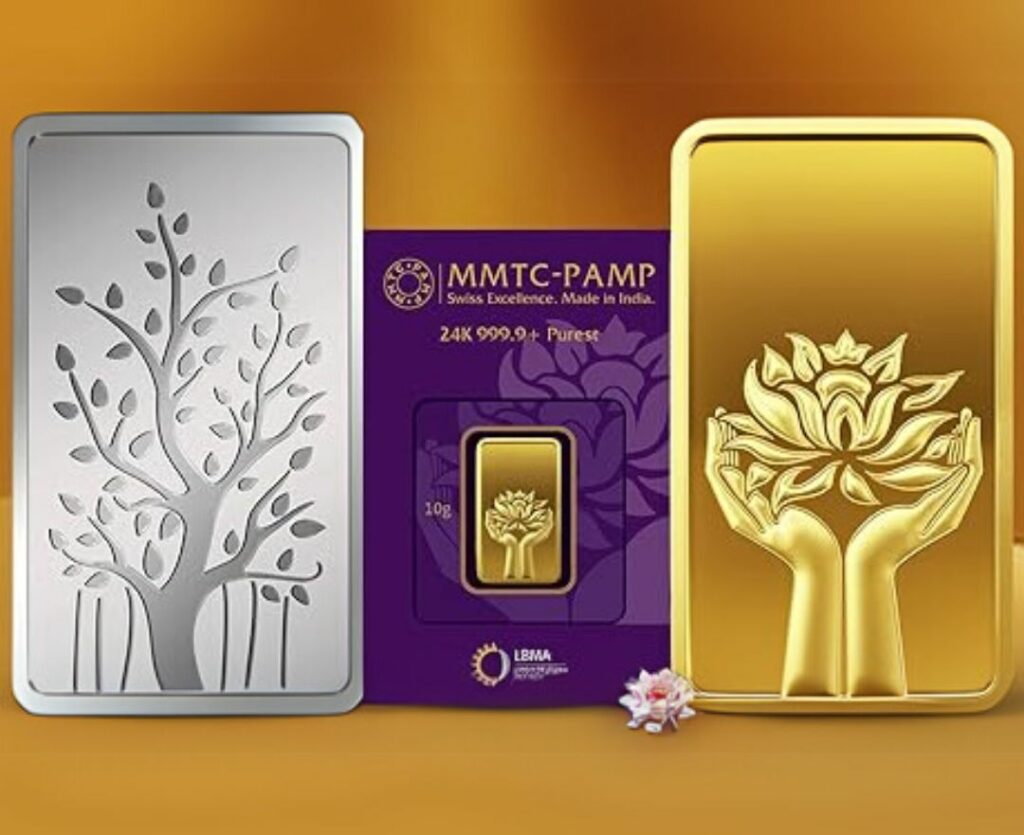






When you dive into the world of precious metals, you might hear about “responsible sourcing.” But what does it mean? Responsible sourcing ensures that precious metals are gotten in ways that are good for the environment and sustainable.
The Royal Canadian Mint shows what responsible sourcing looks like. They focus on transparency and traceability in getting precious metals. This way, they avoid using metals from bad sources and support sustainability and recycling.
Key Takeaways
- Responsible sourcing is key in the precious metals world.
- The Royal Canadian Mint is a leader with its responsible sourcing policy.
- Being open and tracking where metals come from is essential for sustainable supply chains.
- Recycling is important for responsible sourcing.
- Being green is at the heart of ethical precious metals sourcing.
The Evolving Landscape of Precious Metals in India
Precious metals in India mean more than just money. They hold cultural, traditional, and industrial value. For ages, gold and silver have been key to Indian culture. They’re used in jewelry, coins, and in religious rituals.
Cultural significance and traditional uses
In India, precious metals are a big part of our culture. Gold, for example, stands for wealth and is used in weddings and festivals. Jewelry made from gold and silver is treasured for generations, carrying deep meaning.
“Gold is not just a metal; it’s a symbol of our heritage and tradition.”
Modern industrial applications
Precious metals also have a role in today’s world. Silver is great for electronics and solar panels because it conducts heat well. Gold is used in dentistry and electronics because it’s soft and doesn’t rust easily.
| Metal | Industrial Application |
|---|---|
| Silver | Electronics, Solar Panels |
| Gold | Dentistry, Electronics |
The need for precious metals in India comes from both old traditions and new uses. They play a big role in the country’s economy.
Understanding Precious Metals: Gold, Silver, Platinum, and Palladium
Exploring precious metals reveals the special qualities of gold, silver, platinum, and palladium. These metals have been prized for centuries. They are valued for their monetary worth, industrial uses, and cultural importance.
Properties and characteristics
Each precious metal has unique qualities. Gold is soft and doesn’t rust, perfect for jewelry and gadgets. Silver is the best at conducting electricity, used in tech. Platinum and Palladium are rare and good for cleaning car emissions.
Global distribution and mining hotspots
Precious metals are found all over the world. Big gold producers are South Africa, Australia, and the U.S. Silver is often found with copper, lead, or zinc. Platinum and 
| Metal | Major Producers | Main Uses |
|---|---|---|
| Gold | South Africa, Australia, USA | Jewelry, Electronics |
| Silver | Mexico, Peru, China | Electronics, Solar Panels |
| Platinum | South Africa, Russia | Automotive, Jewelry |
| Palladium | Russia, South Africa | Automotive Emission Control |
India’s position in the global precious metals market
India is key in the global precious metals market, mainly in gold. It’s a big gold consumer and jewelry maker. There’s a push to use recycled metals and make the supply chain more sustainable.
The Environmental Impact of Traditional Mining Practices
The need for precious metals is growing, but so is the harm from old mining ways. These methods hurt our planet in many ways, affecting ecosystems everywhere.
Deforestation and Habitat Destruction
Old mining methods cause deforestation and habitat destruction. When land is cleared for mining, forests disappear. These forests are homes to many plants and animals. Losing them hurts our planet and contributes to climate change.
Water Pollution and Toxic Chemicals
Mining spills toxic chemicals into water, polluting it. This harms communities that depend on this water. Chemicals like mercury and cyanide can poison water, risking health for people and animals.
Carbon Footprint of Mining Operations
Mining also has a big carbon footprint. It needs lots of energy, often from fossil fuels. This energy releases greenhouse gases, worsening climate change. Climate change brings problems like rising sea levels and extreme weather.
More people now know how their choices affect the planet. They’re choosing responsibly sourced precious metals. Buying from sustainable mining helps reduce the damage from old mining ways.
Social and Ethical Concerns in Precious Metals Extraction
The demand for precious metals keeps growing. This brings up social and ethical worries about how they’re extracted. You, as a buyer or business owner, are key to pushing for better practices in this field.
Labor Conditions and Human Rights Issues
Labor in precious metals mining varies a lot. Some workers face hazardous conditions, long hours, and low pay. There are also reports of child labor and forced labor in some mines.
It’s vital to ensure fair work and protect human rights. This is key for the industry’s long-term success.
Community Displacement and Indigenous Rights
Precious metals mining often happens near indigenous or local communities. This can cause community displacement and land rights disputes. It’s important to respect indigenous rights and involve local people in decisions.
Companies should focus on community welfare and fair compensation. This way, they can reduce the harm caused by mining.
Knowing about these issues helps you make better choices when buying or investing in precious metals. The prices of these metals are affected by the costs of addressing these concerns.
The Rise of Sustainable Precious Metals Sourcing
Sustainable precious metals sourcing is becoming more popular. This is thanks to growing awareness among consumers and stricter rules. The industry is changing to meet these new standards.
Consumer Demand for Ethical Products
People want products that are not just luxurious but also made responsibly. This change in what consumers want is pushing companies to be more open and ethical. For example, jewelry brands are now talking about using recycled metals and conflict-free sources in their ads.
It’s not just consumers who care about ethical products. Businesses are also seeing the benefits of sustainable sourcing. Companies that focus on ethical sourcing are seen as more reliable. They attract customers who care about the environment and social issues.
Regulatory Pressures and Industry Initiatives
Government rules are helping to make sourcing more sustainable. Laws are getting stricter to protect the environment and ensure fair work conditions. For instance, the European Union has rules to stop funding armed groups through mineral trading.
The industry is also taking steps to improve. Certifications like Fairmined and Fairtrade are becoming common. They show that the precious metals in products were sourced responsibly.
| Initiative | Description | Impact |
|---|---|---|
| Fairmined Certification | Ensures that gold and other precious metals are mined in a responsible manner, with fair labor conditions and minimal environmental impact. | Promotes ethical sourcing and supports artisanal miners. |
| Fairtrade Certification | Focuses on fair trade practices, ensuring that producers receive fair prices and have better working conditions. | Improves the livelihoods of mining communities. |
| Responsible Jewellery Council (RJC) Standards | Sets standards for responsible business practices in the jewelry industry, including ethical sourcing, human rights, and environmental management. | Enhances credibility and trust among consumers and businesses. |
The trend towards sustainable sourcing in the precious metals industry is expected to keep growing. Companies that adopt these practices help the environment and gain trust from consumers. They also improve their reputation.
Recycling as a Sustainable Alternative for Precious Metals
As we move towards a more sustainable world, recycling precious metals is key. By choosing recycled precious metals, you help lessen the environmental harm caused by traditional mining.
The Recycling Process Explained
The recycling of precious metals starts with collecting scrap like jewelry and electronics. Then, these scraps are processed to extract the metals. Techniques like smelting and refining are used to get high-quality metals for new products. Recycling helps conserve natural resources by reusing metals we already have.
Environmental Benefits of Recycled Metals
Recycling precious metals has many environmental perks. It uses less energy and emits fewer greenhouse gases than mining. It also cuts down on mining, which means less deforestation and water pollution. By picking recycled metals, you support sustainable practices that protect our planet.
Economic Advantages for Businesses and Consumers
Recycling precious metals also brings economic benefits. Businesses save money and boost their image by using recycled metals. For consumers, it’s a way to buy jewelry and products without feeling guilty. They know they’re choosing something good for the environment. Here are some key benefits:
- Cost savings for businesses
- Enhanced brand reputation
- Environmentally friendly consumer choices
Traceability Systems in the Precious Metals Supply Chain
The demand for precious metals is rising fast. This makes traceability systems very important. They help ensure that the metals we buy or use are sourced right.
Blockchain Technology and Digital Tracking
Blockchain technology is a big step forward in traceability. It’s a system that keeps a record of every transaction in the supply chain. This makes it easy to see where the metals come from.
How Blockchain Ensures Authenticity
Blockchain makes sure precious metals are real. It keeps a permanent record of each item’s history. This way, you can always know where the metal came from.
Implementation Challenges and Solutions
But using blockchain isn’t easy. There are problems like data privacy and making it work with other systems. To solve these, we need better blockchain platforms and work together with the industry.
Certification Programs and Chain of Custody
Certification programs are also key for traceability. They check if metals are mined and processed right. This means they follow strict rules for the environment and people.
Look for certifications like Fairmined or Fairtrade. They show that the metals help local communities and don’t harm the environment. By choosing these certified metals, you help make mining better and more sustainable.
Responsible Mining Practices and Standards
The demand for precious metals is growing fast. This makes it more important than ever to mine responsibly. You, as a consumer or industry pro, are key to making the precious metals sector more sustainable.
Fairmined and Fairtrade Certifications
Fairmined and Fairtrade certifications are key to ensuring precious metals are mined right. They push for fair labor practices, environmental sustainability, and community development. By picking Fairmined or Fairtrade certified items, you help miners and communities in poor countries.
- Fairmined certification focuses on responsible mining practices, including environmental protection and social responsibility.
- Fairtrade certification ensures fair prices, fair labor conditions, and direct trade practices.
Responsible Jewellery Council (RJC) Standards
The Responsible Jewellery Council (RJC) leads in promoting responsible business in the jewelry world. The RJC’s Code of Practices sets standards for human rights, labor rights, and environmental protection. Members must follow these standards, making sure their products are sourced responsibly.
- RJC members are checked regularly to make sure they follow the rules.
- The RJC also offers training and support to help members get better.
Artisanal and Small-Scale Mining Initiatives
Artisanal and small-scale mining (ASM) is a big part of the precious metals world. Efforts to support ASM aim to improve working conditions, lessen environmental impacts, and boost fair trade practices. Groups like the Alliance for Responsible Mining help ASM communities through training and certification.
- Training helps miners use better, safer methods.
- Certification gives a market boost for responsible ASM practices.
Supporting responsible mining practices and standards helps make the precious metals industry better and fairer. As a buyer or business, your choices can lead to real change.
How to Identify Responsibly Sourced Precious Metals
Knowing how to spot responsibly sourced precious metals is key today. As a buyer, you can help make a difference. This is by choosing wisely what you buy.
Understanding Certification Labels and Hallmarks
Certification labels are a big hint about a product’s background. Look for Fairmined, Fairtrade, or Responsible Jewellery Council (RJC) labels. These show the metals were mined and processed right.
Key Certifications to Look For:
- Fairmined
- Fairtrade
- Responsible Jewellery Council (RJC)
Questions to Ask Your Suppliers and Retailers
Always ask about where the precious metals come from. Good suppliers and retailers will share their supply chain info openly.
Some important questions to ask include:
- What is the origin of the precious metals used?
- Are the metals certified by any recognized bodies?
- What measures are in place to ensure ethical labor practices?
Due Diligence Checklist
| Criteria | Description | Yes/No |
|---|---|---|
| Certification | Is the product certified by a recognized body? | |
| Supply Chain Transparency | Is the supply chain transparent? | |
| Labor Practices | Are ethical labor practices ensured? |
Red Flags to Watch For
Be careful of products with unclear or missing info on their source. Lack of openness is a big warning sign.
The Premium on Sustainable Precious Metals: Worth the Investment?
More and more people want to buy things that are good for the planet. They wonder if the extra cost of sustainable precious metals is worth it. To answer this, we need to look at the differences between regular and eco-friendly metals, and their long-term benefits.
Cost comparison: traditional vs. responsibly sourced metals
Traditional precious metals and sustainable ones have different prices. Responsibly sourced metals cost more because of the strict rules for their production. But, think about the bigger picture. Sustainable metals can help the environment and improve working conditions.
Even though they cost more upfront, the benefits can make up for it. You’ll feel good knowing your money supports fair practices.
Long-term value and brand reputation benefits
Buying sustainable precious metals can boost your brand’s image and the value of your investment. Companies that care about the planet are seen as better by customers. This can make people more loyal to your brand and give you an edge in the market.
As rules get stricter and more people want eco-friendly products, the value of sustainable metals will likely go up. Choosing these metals means you’re making a smart choice for the future.
Investing in Precious Metals: The Sustainable Approach
When you think about investing in precious metals, look for a sustainable way that fits your values. Investing in gold, silver, platinum, and palladium can be smart. But, it’s key to do it in a way that supports ethical practices.
Ethical Investment Options in Gold and Silver
Gold and silver are popular choices for investing. Now, you can invest in them while supporting ethical mining. Look for products certified by groups like the Responsible Minerals Initiative or Fairmined. These ensure the metals are mined responsibly, caring for the environment and people.
Some platforms offer ethical gold and silver investment options. You can invest in bars or coins mined and processed sustainably.
Emerging Opportunities in Platinum and Palladium
Platinum and palladium are becoming more popular as investments, thanks to their use in car parts. As we move towards cleaner technologies, demand for these metals will likely rise. You can invest in them through ETFs and mutual funds that focus on sustainable mining.
When investing in these metals, check the sustainability track record of the mining companies. Some companies are now focusing on protecting the environment and engaging with communities. This makes them more appealing to ethical investors.
| Metal | Primary Uses | Sustainable Investment Options |
|---|---|---|
| Gold | Jewelry, Electronics | Fairmined certified bars |
| Silver | Jewelry, Solar Panels | Responsible Minerals Initiative certified coins |
| Platinum | Automotive Catalytic Converters | Sustainable mining ETFs |
| Palladium | Automotive Catalytic Converters | Ecologically responsible mutual funds |
India’s Growing Role in Sustainable Precious Metals
India is becoming a major player in the sustainable precious metals market. This is thanks to new local initiatives and government support. As more people worldwide look for responsibly sourced metals, India is ready to meet this demand.
Local initiatives and government policies
The Indian government has launched policies to support sustainable precious metals. For example, the National Jewellery Policy aims to make Indian jewelry more competitive and ethical. The Indian Institute of Jewellery and other local groups are also teaching the industry about green practices.
Success stories from Indian jewelers and manufacturers
Many Indian jewelers and makers are leading in sustainable metals. A top jewelry brand is a great example. They have a fully traceable supply chain, ensuring all products are responsibly sourced.
Case study: Leading sustainable jewelry brands
Tanishq is another brand setting high standards in sustainability. They have a strong traceability system, letting customers see where their jewelry comes from. This builds trust with customers who want ethical products.
Lessons for emerging businesses
New businesses can learn from these success stories. By starting with sustainable practices, they can lower their environmental impact and stand out in the market. As one expert said, ”
The future of the precious metals industry lies in sustainability. Companies that embrace this now will reap the benefits in the long run.
”
Implementing Sustainability in Your Business Supply Chain
Adding sustainable practices to your supply chain is now essential. More and more customers want products made ethically. So, businesses must change to keep up.
Steps to Transition to Responsible Sourcing
Changing to responsible sourcing takes a few important steps. First, you have to check how your current supply chain works.
Initial Assessment and Goal Setting
Start by looking at your current suppliers and finding ways to get better. Then, set goals that are realistic but push for more sustainability in your supply chain.
Supplier Evaluation and Selection
When choosing new suppliers, focus on their commitment to ethics and the environment. Look for certifications like Fairmined or Fairtrade. These show they source responsibly.
Monitoring and Continuous Improvement
Keep an eye on how your suppliers are doing and make changes when needed. Always striving to get better is vital for a sustainable supply chain.
Building Partnerships with Ethical Suppliers in India
India is a great place to find ethical suppliers. Look for local companies that focus on sustainability and have a history of doing things right.
Working with ethical suppliers helps make your supply chain better for your business and the planet.
Future Trends in Sustainable Precious Metals
Technological innovations and changing consumer tastes are changing the world of sustainable precious metals. It’s important to know what’s driving these shifts.
Technological Innovations in Mining and Recycling
New tech is changing how we get and process precious metals. Advanced recycling technologies make metal recovery better, cut down waste, and harm the environment less. For example, innovative hydrometallurgical processes help get metals from tough ores and recycled stuff more easily.
Changing Consumer Preferences and Market Dynamics
People are now more into green living, which means they want metals that are sourced right. Eco-conscious consumers look for products with clear supply chains and low environmental impact. This shift is making companies that go green stand out more. So, businesses are starting to use sustainable sourcing in their work and marketing.
Overcoming Challenges in Adopting Sustainable Practices
Starting sustainable practices in the precious metals sector comes with big challenges. These include high costs and barriers to use. Knowing these obstacles is key to making a successful change.
Addressing Cost Concerns and Implementation Barriers
The first step in sustainable practices can be very expensive. This often stops businesses from starting. But, there are ways to lower these costs, such as:
- Starting with small steps in sustainable technology
- Working with groups that offer green certifications
- Looking for government help for green practices
Using these methods can make the financial shift to green practices easier.
Building Awareness and Education in the Industry
Teaching others is vital for green practices to grow. You can help by:
- Going to workshops and conferences about green practices
- Sharing what works with others and suppliers
- Supporting training for employees on green practices
Creating a green culture helps everyone in the industry move forward. It tackles the big hurdles of starting green practices.
Conclusion: Embracing Responsibility in Your Precious Metals Journey
As you explore the world of precious metals, it’s key to act responsibly for a better future. You help make the industry more responsible and sustainable. By picking suppliers who follow humane practices and ethics, you help make the market fairer and greener.
The precious metals industry affects the environment and local communities a lot. By focusing on sustainability and responsible sourcing, you lessen the harm of mining. This choice not only protects the planet but also boosts your brand’s image and helps change the industry for the better.
We urge you to make choices that support a greener and more responsible industry as you move forward. Together, we can make the precious metals market a brighter place.