





You might know that silver prices have surged significantly, going up over 50% this year. This fast rise has many investors worried about a crash, like the ones in 1980 and 2011.
When you’re looking into long-term silver investment, knowing the past is key. By studying silver’s price history, you can prepare for the future. This knowledge helps you make smarter investment choices.
Key Takeaways
- Silver’s price has risen over 50% this year.
- Learning from 1980 and 2011’s spikes is important.
- Understanding silver’s cycles helps in making investment decisions.
- Long-term strategies can reduce risks.
- Keeping up with market trends is essential for success.
The Nature of Silver’s Long Cycles in Market History
Studying silver’s long cycles can offer deep insights into market trends. As an investor, knowing these cycles helps you make better choices.
What Defines a Market Cycle in Precious Metals
A market cycle in precious metals, like silver, has ups and downs. These ups and downs are shaped by industrial demand, investment demand, and supply constraints.
Historical Patterns of Silver Price Movements
Silver prices have seen big swings over time. For example, the Gold Boom of the 1970s and the Silver Spike of 1980 were significant. The 2000s Bull Run and the 2020 Pandemic Surge also showed the market’s volatility and growth.
Bull and Bear Phases Characteristics
Bull phases in silver markets are marked by rising prices, high demand, and positive sentiment. Bear phases, on the other hand, see falling prices, lower demand, and negative sentiment. Knowing these can guide your market strategy.
Average Cycle Duration Analysis
The length of silver market cycles varies a lot. By looking at past data, you can spot patterns and average cycle lengths. Some cycles last years, while others are shorter or longer.
- Silver’s bull runs often come from industrial demand and investment interest.
- Bear markets are usually marked by less demand and economic slowdowns.
- Grasping these patterns aids in smarter investment choices.
The Fundamental Drivers Behind Silver Price Movements
Understanding the factors that affect silver prices is key. The value of silver is shaped by several elements. These include industrial demand, investment dynamics, and supply constraints.
Industrial Demand Factors
Industrial demand is a big factor in silver prices. Silver is used in many fields like electronics and solar panels. It’s valued for its ability to conduct heat and fight bacteria.
The rise in solar energy has boosted silver demand. As the world moves towards cleaner energy, silver’s use in solar panels will likely keep growing.
Investment Demand Dynamics
Investment demand also plays a big role in silver prices. Silver is seen as a safe investment during economic uncertainty. Investors buy silver due to inflation fears, currency changes, and global tensions.
Exchange-traded funds (ETFs) have made it easier to invest in silver. This way, investors can own silver without having to store it physically.
Supply Constraints and Mining Production
Supply and mining production levels affect silver prices. Silver is often found alongside copper, gold, or lead. When mines close or production drops, silver supply can fall, raising prices.
The silver-to-gold ratio is also important. It shows how silver compares to gold in value. A high ratio might mean silver is cheaper than gold, which could be a good time to buy.
The Silver-to-Gold Ratio Significance
The silver-to-gold ratio is a key indicator. It shows how many ounces of silver it takes to buy one ounce of gold. A high ratio suggests silver might be undervalued, making it a good time to invest.
Knowing this ratio helps investors make better choices. It’s a tool for understanding the value of silver compared to gold.
The 1980 Silver Price Spike: Anatomy of a Market Corner
The Hunt brothers tried to control the silver market in 1980. This event shows how big bets can change markets. It’s a key lesson in market dynamics and speculation risks.
The Hunt Brothers’ Silver Accumulation Strategy
Nelson and William Hunt started buying silver in the 1970s. They believed it would grow in value over time. They bought a lot of physical silver and futures contracts.
Key elements of their strategy included:
- Buying lots of physical silver and futures contracts
- Using leverage through margin accounts
- Working with other investors and market players
Macroeconomic Conditions of the Late 1970s
The late 1970s had high inflation and economic worries. This made people more likely to speculate on commodities. The Hunt brothers’ moves fit well with this market.
The macroeconomic backdrop included:
- High inflation rates
- Economic instability
- More interest in commodities as an inflation hedge
The Dramatic Rise and Fall in Numbers
The silver price jumped from about $6 per ounce in 1979 to almost $50 in January 1980. But then, it plummeted, causing big losses for the Hunt brothers and others.
Key Price Levels and Timeline
| Year | Silver Price (approx.) | Event |
|---|---|---|
| 1979 | $6 | Start of significant price increase |
| January 1980 | $50 | Price peak |
| 1980 (post-peak) | $10-15 | Price collapse |
Learning about the 1980 silver price spike helps us understand commodity markets. It shows the dangers of big bets. This event is a key study for analyzing silver market trends.
Aftermath and Market Reforms Following the 1980 Crash
The 1980 silver price crash led to a new era of strict rules. It showed the silver futures market had big problems.
Regulatory Changes in Silver Futures Trading
After the crash, rules for silver futures trading got tougher. There were stricter margin rules and better checks to stop cheating. The aim was to make the market safer and clearer.
Key regulatory changes included:
- Stricter margin requirements to curb excessive speculation
- Enhanced surveillance to detect and prevent market manipulation
- Improved transparency in trading activities
Long-term Impact on Market Sentiment
The 1980 crash made investors more careful and less willing to take risks. The memory of “Silver Thursday” stayed with them, affecting their choices for years.
The “Silver Thursday” Legacy
“Silver Thursday” taught a big lesson in finance. It showed the risks of cheating and the need for strong rules. Its story shapes how markets work and how investors think today.
Looking at silver market cycles, learning from the 1980 crash is key. It helps us understand the silver price forecast and how markets move.
The Silver Market’s Dormant Years: 1980-2000
Between 1980 and 2000, the silver market saw little change in price. This was a quiet time in its history. Several factors played a role in the price and demand for silver during this period.
Price Consolidation and Sideways Movement
The silver price went through a long period of stability. After a big jump in 1980, prices slowly fell and then leveled off. This steady state showed a balance between how much silver was available and how much was needed.
Changing Industrial Applications
Even without big price swings, silver’s uses in industry kept growing. New tech and ways of making things boosted silver’s demand in fields like electronics and solar power. This steady need helped keep silver prices stable.
Early Signs of the Next Cycle
In the late 1990s, hints of a change in the silver market started to appear. More people were interested in investing in silver, and new uses for it were emerging. These small signs were the start of a renewed interest in silver as a valuable asset.
| Year | Average Silver Price (USD/oz) | Industrial Demand (Moz) |
|---|---|---|
| 1980 | 20.60 | 140 |
| 1990 | 4.82 | 160 |
| 2000 | 4.95 | 220 |
The data shows that during the quiet years, silver prices were steady and demand was growing. Knowing these trends is key for smart long-term silver investment.
Building Toward the 2011 Peak: Contributing Factors
What caused the silver price to hit its 2011 peak? It’s key to know the factors at play. The years leading up to 2011 saw major events that shaped the precious metals market.
The 2008 Financial Crisis Aftermath
The 2008 financial crisis deeply affected global markets, including silver. As the crisis grew, investors looked for safe assets. This led to a higher demand for precious metals, setting the stage for price hikes.
Quantitative Easing and Inflation Fears
Central banks used quantitative easing to boost the economy after the crisis. This action sparked inflation worries. Investors then turned to silver as a hedge, causing its price to climb.
Growing Investment Demand for Physical Silver
As economic uncertainty lingered, more investors wanted physical silver. They saw silver as a cheaper option compared to gold. This increased demand pushed silver prices up.
The Role of Silver as “Poor Man’s Gold”
Silver’s appeal as a gold alternative grew. It was called “poor man’s gold.” This nickname stuck, and silver’s price started to follow gold’s, but with more swings. This trend boosted physical silver’s investment appeal.
Looking into these factors helps us understand the 2011 silver price peak. The crisis, quantitative easing, and rising investment demand created a perfect storm. This storm pushed prices up.
The 2011 Silver Price Spike: Modern Bull Run Dynamics
Do you remember the big jump in silver prices in 2011? It was a big deal in the precious metals world. It brought in investors and started talks about what caused the big price jump.
The Emergence of Silver ETFs and Their Impact
Silver Exchange-Traded Funds (ETFs) started growing in 2011. They let investors buy silver without owning it physically. This increased demand and affected prices.
Silver ETFs made investing in silver easy for more people. This easy access was a big reason for the high demand in 2011.
Price Action and Key Turning Points
In 2011, silver prices went up fast, hitting a high in late April. The price jumps were due to more people wanting to invest and market guesses.
The $50 psychological barrier was a big deal in 2011. When prices got close to this, everyone watched, waiting for a big move.
The $50 Psychological Barrier
Getting to $50 was seen as a big win for silver prices. Even though it didn’t reach $50, getting close changed how people felt about the market.
| Year | Peak Price | Key Factors |
|---|---|---|
| 1980 | $49.45 | Hunt Brothers’ accumulation, macroeconomic conditions |
| 2011 | $48.70 | Silver ETFs, quantitative easing, investment demand |
Comparing Velocity with the 1980 Spike
The 2011 and 1980 spikes were different. The 1980 spike was mainly because of the Hunt Brothers and big economic issues. The 2011 spike was because of silver ETFs and global money policies.
Looking back, it’s key to know what drives silver prices. This helps make smart investment choices.
Post-2011 Silver Market: Lessons and Adjustments
After the 2011 silver price spike, the market changed a lot. It went through big adjustments and shifts in how people participated. This period showed us the importance of understanding silver market trends.
The Extended Bear Market of 2011-2019
The silver market had a long bear phase from 2011 to 2019. During this time, the price kept going down. This was a tough time for investors, with many losing a lot of money.
Looking at what caused this long bear market, we see a few key points:
- Economic recovery after the 2008 crisis
- Less investment demand
- Stable supply chains
Changes in Market Structure and Participation
After 2011, the silver market changed a lot. Market participation evolved with new players and old ones adjusting. This was a big shift in how the market worked.
The Rise of Digital Trading Platforms
Digital trading platforms became very popular after 2011. They made it easier for people to buy and sell silver. Digital platforms made silver trading more accessible, letting more people get involved.
| Year | Average Silver Price (USD/oz) | Change from Previous Year (%) |
|---|---|---|
| 2011 | 35.12 | – |
| 2012 | 31.15 | -11.3 |
| 2013 | 23.83 | -23.5 |
Understanding these changes is key to making smart investment choices. The post-2011 period taught us a lot about market volatility and the need to be adaptable.
By studying silver’s long cycles and the factors that affect them, you can better understand the market. The lessons from the post-2011 period are valuable for investors looking to make the most of future opportunities.
Comparing the 1980 and 2011 Silver Cycles
Looking at the 1980 and 2011 silver cycles shows both similarities and differences. These insights can help you make better investment choices. Understanding these historical events is key.
Similarities in Market Psychology and Price Action
Both cycles saw silver prices soar due to speculation and investor excitement. The price jumps were driven by market forces and investor feelings. The emotional ups and downs investors faced are important to remember when looking at past data.
A market expert said, “The silver market’s ups and downs are intense. High speculation can cause big price swings.”
“The silver market’s volatility is a double-edged sword; it presents opportunities for significant gains but also poses risks of substantial losses.”
Differences in Fundamental Drivers
Though both cycles saw price hikes, the reasons were different. In 1980, the Hunt brothers’ attempt to control the market was a big factor. In 2011, it was quantitative easing and global economic worries.
| Year | Primary Drivers | Peak Price (USD/oz) |
|---|---|---|
| 1980 | Hunt Brothers’ Market Corner | 49.45 |
| 2011 | Quantitative Easing, Economic Uncertainty | 48.70 |
Duration and Magnitude Analysis
The 1980 spike was quick, while the 2011 peak was part of a longer bull market. These differences are interesting to note.
Recovery Patterns After Major Peaks
After both peaks, silver prices fell a lot. But the recovery paths were different. Knowing these patterns can help you invest wisely in silver.
By studying historical silver price data, you can learn what affects silver prices. This knowledge is useful whether you’re looking at past data or forecasting future prices. The lessons from 1980 and 2011 are very relevant.
Silver’s Unique Significance in the Indian Economy
In India, silver is more than just a valuable metal. It’s deeply rooted in culture and religion. The demand for silver is influenced by many factors, including culture, religion, and economics.
Cultural and Religious Importance
Silver plays a big role in Indian religious ceremonies and cultural events. It’s seen as lucky and used to make ornaments and decorations for homes and temples. This makes silver a stable part of India’s economy.
Indian Silver Demand’s Impact on Global Prices
India is a big consumer of silver worldwide. Its demand affects global silver prices. The demand is not just for jewelry and ornaments but also for industrial use and investments.
| Year | Indian Silver Demand (Tons) | Global Silver Price ($/Oz) |
|---|---|---|
| 2018 | 10,000 | 15.50 |
| 2019 | 9,500 | 16.20 |
| 2020 | 11,000 | 20.50 |
Investment Patterns Among Indian Consumers
Indian people often choose silver for investments. They see it as valuable and liquid. Economic uncertainty and inflation worries drive this demand.
Silver vs. Gold Preference in Different Regions
Preferences for silver or gold vary in India, based on local customs and economy. While gold is often preferred, silver is becoming more popular as an investment, mainly in certain communities.
As the global economy changes, knowing about silver demand in India is key for investors and analysts. Silver’s cultural and economic importance in India is significant in the global precious metals market.
Technical Analysis of Silver’s Long Cycles
Exploring silver’s long cycles through technical analysis can reveal hidden opportunities. This method helps understand silver’s price movements. It aids in making better investment choices.
Key Chart Patterns in Multi-Decade View
Looking at silver’s price chart over decades, we see key patterns. These include head and shoulders, double tops, and ascending triangles. Spotting these can help predict future price trends.
Cycle Length and Amplitude Observations
Silver’s price cycles vary in length and amplitude. Studying these cycles offers insights into future price swings. Historical data shows cycles lasting from a few years to over a decade, with varying amplitudes.
Support and Resistance Levels Over Time
Support and resistance levels are vital in silver’s price movements. These levels, found through technical analysis, act as barriers. By looking at how these levels change over time, we can understand silver’s price dynamics better.
Using Moving Averages to Identify Cycle Phases
Moving averages are key in technical analysis. They smooth out price data and reveal trends. By applying different moving averages to silver’s chart, we can see the cycle phase. This can be accumulation, markup, distribution, or decline.
Using these technical tools, we can better understand silver’s long cycles. This knowledge helps make more informed decisions in the precious metals market.
Current Silver Market Conditions and Cycle Position
Understanding the long cycles in the silver market is key for investors. Many factors affect silver prices, like industrial demand, investment trends, and supply issues.
Post-2020 Market Developments
After 2020, the silver market saw big changes due to the pandemic. The economy went down then quickly recovered, affecting silver prices. It’s important to know how these big economic changes impacted silver’s value.
More use of green energy and electric cars has raised silver demand. This growth in demand makes silver’s future look stronger.
Supply/Demand Balance Assessment
Knowing the supply and demand balance is vital for silver’s current cycle. The mix of mine supply, recycling, and investment demand shapes silver prices. Keep an eye on these elements to predict market trends.
In recent years, demand from green energy has surged. This trend is likely to keep affecting the supply and demand balance.
Identifying Today’s Position in the Long Cycle
To figure out where silver is in its long cycle, look at history and current signs. By studying past trends and today’s market, you can spot silver’s place in its cycle.
Potential Catalysts for the Next Major Move
Several things could push silver prices up next. These include more economic help, new green energy tech, and changes in how investors feel. Knowing these factors helps predict the market’s future.
By keeping up with these elements and their effects, you can make smarter choices in the silver market.
Silver Investment Options for Indian Investors
Indian investors have many ways to invest in silver. Silver is valuable for both its beauty and its use in industry. You can choose from different investment paths, each suited to your goals and risk level.
Physical Silver: Coins, Bars, and Jewelry
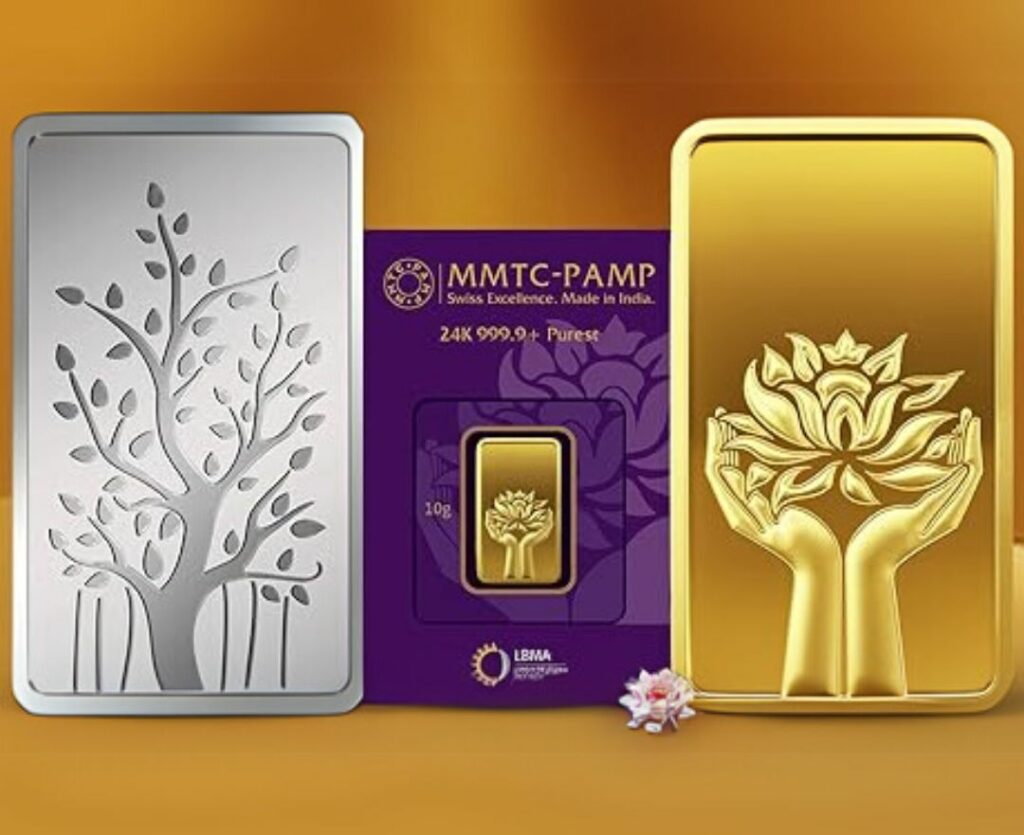
Buying physical silver is a favorite choice for many in India. You can get silver coins, bars, and jewelry from trusted sellers or banks. Physical silver is something you can hold and keep safe. But, it needs a secure place to avoid loss or theft.
Digital Silver: ETFs and Commodity Futures
Digital silver offers modern investment choices. Silver ETFs let you invest in silver without needing to store it. Commodity futures also let you invest in silver through contracts. These digital options are flexible and can be traded on stock exchanges.
Silver Mining Stocks and Funds Available in India
Investing in silver mining stocks or funds is another good option. These investments help you profit from silver mining companies. You can choose individual stocks or funds that focus on mining. This way, you get to see how silver prices move and how mining companies perform.
Tax Implications and Storage Considerations
When you invest in silver, think about the tax implications. You might have to pay capital gains tax on profits. If you choose physical silver, remember the costs of storage and keeping it safe. Digital investments don’t have these worries, but you should know about any trading fees.
A recent market study says the Indian silver market is growing fast. This growth offers chances for investors to make the most of silver’s market.
In summary, Indian investors have many silver investment options. From physical assets to digital and mining stocks, each has its own benefits and things to consider. Knowing these can help you make smart investment choices.
Conclusion: The Enduring Lessons from Silver’s Historic Cycles
You’ve looked into the big price changes in silver in 1980 and 2011. You now know what made these changes happen. The history of silver teaches us important lessons for investors and market players.
Understanding silver’s price changes is key. It’s shaped by industrial use, investment interest, and how much silver is available. When planning your investments, remember these points. They help you predict silver’s future prices and adjust your plans.
Knowing silver’s patterns and what drives them gives you a deeper market insight. This knowledge helps you spot chances and challenges. It makes you a smarter investor in the silver market.