




Gold and silver jewelry hold a special place in Indian culture. They are often passed down through generations. The Bureau of Indian Standards (BIS) has made a big change to protect this tradition.
Starting September 1, 2025, BIS hallmarking will be mandatory for all silver items. This rule ensures they are genuine and pure. It’s a step to protect buyers and keep the cultural value of silver in India alive.
Key Takeaways
- The BIS Hallmarking Scheme verifies the purity of precious metals.
- Mandatory hallmarking applies to domestically manufactured and imported silver jewelry.
- The new rule ensures authenticity and purity for buyers.
- The move safeguards customers and preserves cultural heritage.
- BIS hallmarking becomes compulsory from September 1, 2025.
The New Silver Hallmarking Mandate in India
A new era for silver jewelry starts in India with compulsory hallmarking. This big change aims to make sure silver products are of high quality and real. As a buyer, you’ll get more from this move towards standardization.
Key Highlights of the Mandatory Regulation
The Bureau of Indian Standards (BIS) has set six purity standards for silver jewelry: 800, 835, 900, 925, 970, and 990. Each hallmarked ornament will have a unique six-digit Hallmark Unique Identification (HUID) code. This code makes it easier to check if a piece is genuine.
This new rule will make people more confident in buying silver jewelry. It ensures that what they buy meets certain purity levels.
Timeline for Implementation Through 2025
The new hallmarking rule will start on September 1, 2025. Until August 31, 2025, businesses can sell or hallmark their existing stock. This gives them time to get ready for the change.
Get ready for this change by learning about hallmarking and its advantages. 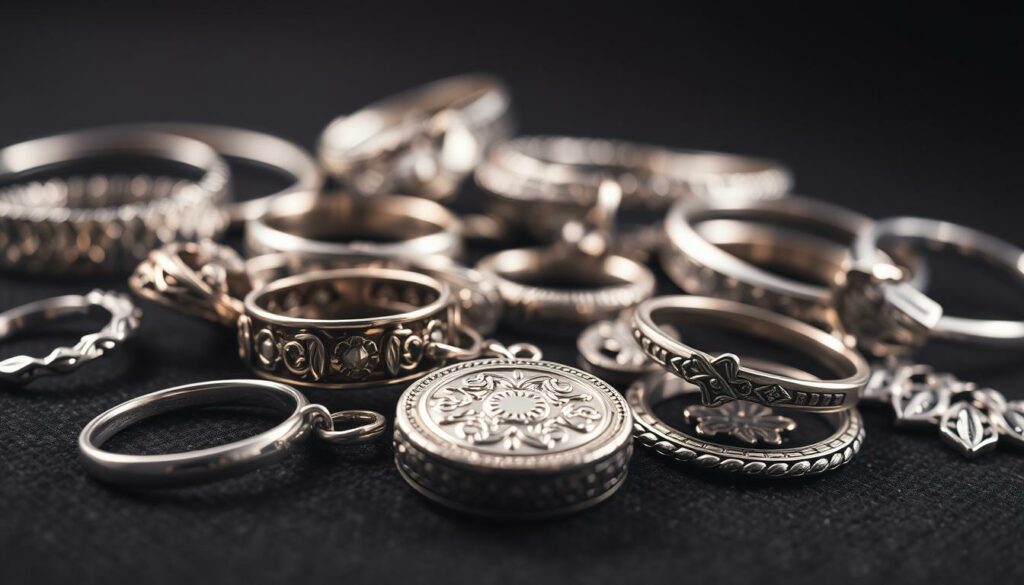
Understanding Silver Hallmarking: What It Means for You
As the silver hallmarking mandate approaches, it’s crucial to grasp what it means. Silver hallmarking is a process that checks the purity of silver items. It ensures they are genuine.
Definition and Purpose of Hallmarking
Hallmarking tests the metal in silver items and stamps them with hallmark symbols. These symbols prove the silver’s authenticity. They show it meets quality standards.
The hallmarking process is done by approved centers. They test the silver and mark it with the right hallmarks. This not only checks the silver’s purity but also keeps a record of its silver identification.

Benefits for Consumers and Businesses
Silver hallmarking has many benefits. For buyers, it means knowing the silver is real and pure. This helps you choose better. For sellers, it builds trust and loyalty with customers.
It also makes the market fair for all businesses. This fairness boosts consumer confidence in silver. It benefits both buyers and sellers.
The History of Precious Metal Certification in India
Precious metal certification in India has seen big changes over time. These changes have shaped the rules we have today. The path to making hallmarking for silver and other precious metals mandatory has been long and changing.
Evolution of Gold and Silver Standards
The Bureau of Indian Standards (BIS) started the Hallmarking scheme in 2000 for gold jewelry. In 2005, it was extended to silver jewelry. This was a big step towards making sure precious metals were pure and real in India.
The need to protect buyers from fake items and build trust in the market drove these changes. The BIS Hallmark is now a symbol of quality and truth. It ensures the purity of metals, giving buyers confidence in their purchases.
Previous Voluntary Hallmarking System
Before the rules changed, India had a system where jewelers could choose to hallmark their items. But it wasn’t required, and many didn’t do it. This system had its flaws, as it didn’t cover everything, leaving room for scams.
The move to make hallmarking mandatory was a big step forward. By 2021, it became a must for gold jewelry. Now, silver is also included, making the standards even higher for precious metal certification.
How BIS Silver Hallmarking Works
Understanding BIS silver hallmarking is key when buying silver jewelry. The Bureau of Indian Standards (BIS) has a new rule to check silver’s purity and realness.
The Bureau of Indian Standards (BIS) Role
The BIS is very important in the hallmarking process. It makes sure all silver jewelry is pure and real. They do this by checking it at special centers all over India.
The BIS does a few things:
- They set the standards for silver purity.
- They pick and approve the centers for testing and hallmarking.
- They watch to make sure everyone follows the rules.
The Hallmarking Process Explained
The hallmarking process has a few steps to check if silver jewelry is real and pure. Here’s how it works:
- Silver jewelry goes to a BIS-approved center for testing.
- The jewelry is checked to see how much precious metal it has.
- If it’s good, it gets a hallmark.
Testing and Certification Methods
To test the jewelry, they check the metal content. The BIS has certain ways to do this. If it passes, it gets a hallmark with important info.
| Hallmark Component | Description |
|---|---|
| BIS Logo | Shows the product meets BIS standards |
| Purity Grade | Tells you how pure the silver is (like 925, 999) |
| Assay Centre’s Mark | Tells who tested the product |
| Six-digit Alphanumeric HUID | Gives a special code for the item |
Knowing about BIS silver hallmarking helps you trust the quality and realness of your silver buys.
Decoding Silver Hallmark Symbols and Marks
As silver hallmarking becomes mandatory, it’s essential to decode the symbols and marks on your silver items. A BIS hallmark is a mark of authenticity and purity. It consists of several key components that provide detailed information about the silver product.
Components of a BIS Hallmark
A BIS hallmark typically includes several important elements. These elements guarantee the quality and purity of the silver item.
The BIS Mark
The BIS logo is a critical component of the hallmark. It signifies that the product adheres to the Bureau of Indian Standards’ guidelines.
Purity Grade
The purity grade indicates the fineness of the silver. It is usually represented as a numerical value (e.g., 925, 999).
Assay Center’s Identification
The Assay Centre’s mark identifies the facility where the silver item was tested and certified.
How to Read and Interpret Hallmark Stamps
To ensure you’re purchasing genuine silver products, it’s crucial to understand how to read the hallmark stamps.
- Look for the BIS logo to verify authenticity.
- Check the purity grade to know the exact silver content.
- Identify the Assay Centre’s mark to trace the origin of the hallmark.
- Verify the six-digit alphanumeric HUID for unique identification.
By understanding these components, you can confidently purchase silver items. You’ll know they meet the required standards.
Silver Purity Standards Under the New Regulations
With BIS hallmarking now mandatory, it’s key to grasp the new silver purity standards. The Bureau of Indian Standards (BIS) has set specific fineness levels for silver. This ensures quality and uniformity in silver products.
Recognized Silver Fineness Levels
The BIS has set several silver fineness levels for various needs. These include:
Standard 999 Silver
999 Silver, or Fine Silver, has a purity of 99.9%. It’s the highest standard and used in top-quality silver products.
Sterling 925 Silver
925 Silver, or Sterling Silver, has 92.5% silver. It’s popular in jewelry and silverware for its durability and beauty.
Other Approved Standards
There are other silver fineness levels for specific uses. These standards ensure silver products meet quality and purity needs.
| Silver Fineness Level | Purity Percentage | Common Use |
|---|---|---|
| 999 Silver | 99.9% | Investment-grade products |
| 925 Silver | 92.5% | Jewelry and silverware |
| Other Standards | Varies | Industrial or decorative applications |
Comparison with International Standards
The BIS silver purity standards match international practices. This makes Indian silver competitive globally and trusted by consumers.
This alignment ensures Indian silver meets international quality standards. It boosts its appeal in the global market.
Impact on Consumers: What You Need to Know
Now, you can trust your silver purchases more than ever. The new rule of compulsory silver hallmarking makes sure silver items are genuine. It protects you by checking their purity and quality.
Ensuring Authenticity of Your Silver Purchases
Compulsory silver hallmarking lets you check if your silver jewelry is real. Just look for the Hallmark Unique Identification Number (HUID) on the BIS Care mobile app. This app helps you confirm if your jewelry is genuine, giving you peace of mind.
Price Implications and Value Assurance
The new hallmarking rule might make silver items cost more. The price will include the cost of testing and certification. But, you’ll know your silver is worth it, as it meets strict standards.
| Aspect | Pre-Hallmarking | Post-Hallmarking |
|---|---|---|
| Authenticity | Lack of standardization | Guaranteed purity and quality |
| Price | Variable, potentially lower | Potentially higher due to hallmarking costs |
| Consumer Trust | Lower due to uncertainty | Higher due to verification through HUID |
When buying silver now, remember hallmarking means quality and authenticity. Knowing about hallmark symbols and using the BIS Care app helps you make smart choices. You can buy silver with confidence.
“The hallmarking of silver is a significant step towards ensuring the quality and authenticity of silver products. It provides consumers with the assurance they need when purchasing silver items.”
Preparing for Mandatory Silver Hallmarking as a Consumer
The mandatory silver hallmarking deadline is coming in September 2025. Consumers need to get ready for the changes. The new rules aim to make sure silver products are real and of good quality. Knowing about this change will help you make the best choices.
What to Do with Your Existing Silver Items
You have two main choices for your silver items: get them hallmarked or sell them before the deadline. If you choose to keep them, you can get them hallmarked at a BIS hallmarking center. This means your items will be tested and certified to meet the new standards.
Benefits of Hallmarking Existing Items:
- Ensures the authenticity of your silver products
- Increases the value of your silver items
- Provides assurance of quality
If you don’t want to hallmark your items, you can sell them before the deadline. This way, you avoid the hallmarking process and might get a good price for your silver.
Questions to Ask When Buying Silver After 2025
When buying silver after the hallmarking rule starts, it’s important to ask the right questions. This ensures you get real products. Here are some questions to ask:
| Question | Purpose |
|---|---|
| Is the silver product BIS hallmarked? | Verifies authenticity and compliance with regulations |
| What is the purity level of the silver? | Ensures the product meets your quality expectations |
| Can I see the hallmark certificate? | Confirms the product’s certification and authentic silver marks |
By asking these questions and looking for the BIS hallmark, you can be sure your silver is genuine and of high quality. Remember, silver identification is key to making smart buying choices.
Impact on Jewelers and Silver Industry
The mandatory silver hallmarking from September 2025 will change the game for jewelers and the silver industry in India. As a jeweler or silver business owner, you must understand these changes. They could impact how you run your business.
Compliance Requirements for Businesses
You’ll need to follow new rules by hallmarking your silver jewelry with the right hallmark stamps. You must learn about the hallmarking process and ensure your products are pure enough. The Bureau of Indian Standards (BIS) will oversee this, so knowing their rules is key.
Costs and Operational Changes
Marking silver jewelry will cost more, including fees for hallmarking and changes to how you make things. You might need new equipment or training to keep up. Learning about silver purity marks and how to use them is crucial for your success.
Start preparing now to avoid big problems. This way, your business can stay ahead in a market with higher quality standards.
Silver Products Covered Under Mandatory Hallmarking
As the mandatory silver hallmarking regulation gets closer, it’s key to know which silver products will be impacted. The new rules aim to ensure silver items are genuine and pure. This protects consumers and builds trust in the market.
Categories of Silver Items Requiring Hallmarking
The mandatory hallmarking rules will apply to various silver products. These include:
- Jewelry and ornaments
- Silverware and utensils
- Decorative and religious items
Jewelry and Ornaments
All silver jewelry and ornaments must have hallmarking. This includes detailed designs, traditional items, and modern fashion jewelry. Hallmarking ensures these pieces meet silver purity standards.
Silverware and Utensils
Silverware, like cutlery and plates, will also need hallmarking. This ensures these items are made from the right silver fineness. It boosts consumer confidence.
Decorative and Religious Items
Decorative items, such as idols and figurines, and religious artifacts made of silver, will need hallmarking. This makes sure these items, often used in rituals, meet purity standards.
Exemptions and Special Cases
While many silver products are covered, there might be exemptions and special cases. For example, antique silver or silver in industrial use could be different. It’s important for businesses and consumers to know these exceptions to follow the rules.
Knowing which silver items need hallmarking and any exceptions is crucial for a smooth transition. As the deadline nears, staying updated on silver hallmarking and silver assay marks will help you navigate the new system effectively.
Hallmarking Centers in India: Where to Get Your Silver Hallmarked
The Bureau of Indian Standards (BIS) has set up many authorized hallmarking centers across India. This is part of a new rule for silver hallmarking starting in September 2025.
Network of Authorized Hallmarking Centers
The BIS has a big network of Assaying and Hallmarking Centres all over the country. These places can test and hallmark silver items to make sure they are pure. You can find a list of these centers on the BIS website or by asking local jewelers who follow the new rules.
Key features of authorized hallmarking centers include:
- They have the latest assaying equipment
- They have trained staff
- They are checked by BIS officials often
Process for Submitting Items for Hallmarking
Getting your silver items hallmarked is easy. First, find an authorized center near you. Then, make sure your items are clean. The center will test your silver and add the BIS hallmark if it’s pure enough.
Here’s a step-by-step guide:
- Find an authorized hallmarking center
- Prepare your silver items
- Submit items for testing
- Receive hallmarked items
Penalties and Enforcement of Silver Hallmarking Regulations
As the mandatory silver hallmarking regulation approaches, it’s key to know the penalties for not following it. The Bureau of Indian Standards (BIS) has set strict rules to make sure everyone follows the new rules.
Legal Consequences for Non-Compliance
Businesses that don’t follow the silver hallmarking rules face big legal troubles. The BIS can fine or even shut down businesses that don’t meet the hallmarking standards. This is to keep the market clean and protect consumers.
The BIS wants to make sure only real silver products are sold. They’re strict on hallmarking to get rid of fake products and keep trust with buyers.
Monitoring and Surveillance Mechanisms
The BIS has a strong system to check if businesses follow the hallmarking rules. They do regular checks on hallmarking centers and places that sell silver. They also pick products at random to check if they’re real and follow the rules.
Also, the BIS keeps a list of hallmarked products and businesses that follow the rules. This list helps buyers check if their silver is real.
Distinguishing Between Authentic and Fake Hallmarks
With the new silver hallmarking rule, it’s key to know how to spot real hallmarks. The Bureau of Indian Standards (BIS) has a strong hallmarking system. It makes sure silver jewelry is real. But, fake makers are getting better at their tricks.
Common Counterfeiting Techniques
Fake makers have many ways to mimic hallmarks. They might copy the BIS logo and HUID code. They also use advanced methods to make fake hallmark stamps that look almost real. Knowing these tricks is important.
Tips to Identify Genuine BIS Hallmarks
To buy real silver jewelry, look for these signs:
- The BIS logo shows the item is hallmarked by an approved center.
- The HUID code is a unique number that helps track the item.
- Examine the hallmark stamp for any signs of tampering or oddities.
Being careful and knowing what to look for helps you buy silver jewelry with a real BIS hallmark. Remember, the hallmark proves the quality and realness of your silver buy.
Conclusion: Embracing the New Era of Silver Quality Assurance
India is getting ready to make silver hallmarking mandatory by September 2025. This change will greatly improve the quality and realness of silver items. The Bureau of Indian Standards (BIS) will mark silver products with silver purity marks and silver assay marks. This ensures they are pure and genuine.
This new rule will make the silver market more open and reliable. It will help both buyers and sellers. You’ll know your silver is top-notch, thanks to a trusted authority.
As a buyer, learning about silver purity marks and silver assay marks is key. It helps you choose the right silver and avoid fakes.
The BIS Hallmarking Scheme is ushering in a new era for silver in India. It promises purity and authenticity in silver products. This makes the silver market trustworthy and dependable.