




You might know that precious metal rates change a lot in different cities in India. This change offers chances for arbitrage. You can buy a metal in one city and sell it in another for more money.
The gold price today varies between cities due to many reasons. These include local demand, taxes, and how well the supply chain works. Knowing about these regional variations helps you make smart choices when investing in precious metals.
Local premiums also affect the price you pay for precious metals in various cities.
Key Takeaways
- Regional variations in precious metal prices exist across Indian cities.
- Arbitrage opportunities arise due to these variations.
- Local premiums and taxes influence the final price.
- Understanding these factors can help you make better investment decisions.
- Staying updated with the current gold price can aid in identifying arbitrage opportunities.
The Landscape of Precious Metals in India
In India, precious metals are more than just valuable items. They hold deep cultural and economic value. This value is closely tied to the country’s rich heritage.
Cultural and Economic Significance
Precious metals play a big role in Indian culture. Gold, for example, is seen as a sign of wealth. It’s often used in weddings and festivals.
Traditional Role in Indian Households
In many Indian homes, precious metals are seen as a way to save money. They are passed down from one generation to the next. Your family might have a tradition of keeping gold or silver for the future.
Investment vs. Consumption Patterns
Investment patterns in precious metals vary in India. Some people buy gold and silver for their value. Others buy them for jewelry. The silver rate per gram can affect these choices.
An economist noted, “The demand for precious metals in India comes from culture, economics, and investment.”
“The cultural attachment to gold and other precious metals is a defining characteristic of the Indian market, making it distinct from other global markets.”

Knowing the cultural and economic value of precious metals can guide your investment choices.
Understanding Current Precious Metal Rates in India
To understand precious metal rates in India, we must look at global factors. We need to consider both international benchmarks and local market conditions. The rates are influenced by more than just local demand and supply.
International Benchmarks vs. Local Prices
Precious metal prices in India are greatly affected by international benchmarks. The London Bullion Market Association (LBMA) is key in setting these benchmarks.
LBMA Pricing Influence
The LBMA’s daily fixings for gold and silver are a global reference. Indian markets adjust these prices based on local factors. You can see the impact of LBMA prices on Indian rates by comparing daily price charts.
Currency Exchange Rate Impact
The currency exchange rate also affects precious metal rates in India. Changes in the INR against major currencies like the USD can change local prices. A weaker INR makes imports more expensive, raising local prices.
- Keep an eye on global economic trends that influence currency exchange rates.
- Understand how changes in exchange rates can impact your investments in precious metals.
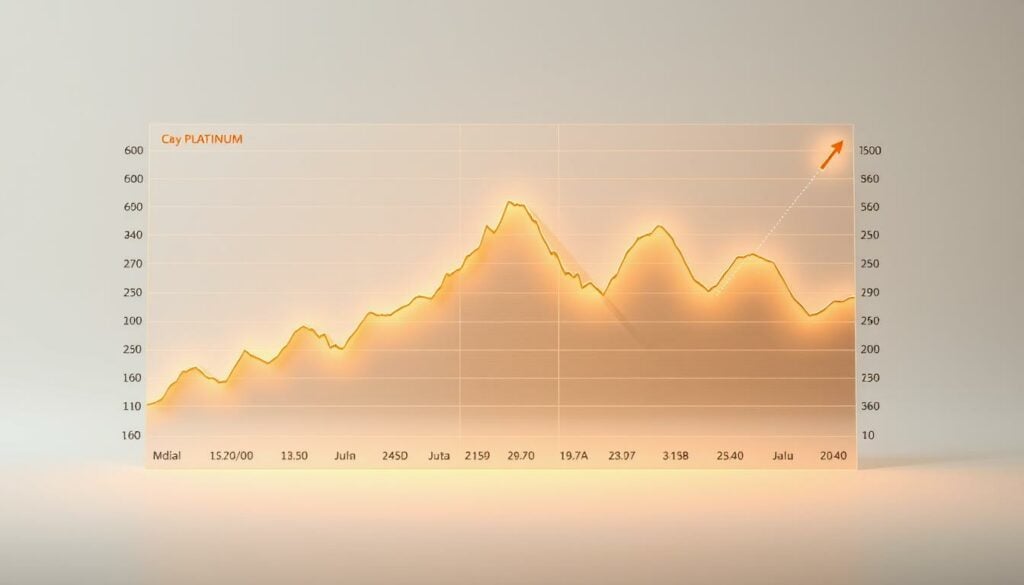
- Refer to a platinum price chart to see how global trends affect platinum prices in India.
By understanding these factors, you can make better decisions about your precious metal investments.
Gold Price Variations Across Major Indian Cities
Exploring the gold market in major Indian cities shows big price differences. This is really interesting in northern India. Cities like Delhi, Lucknow, and Chandigarh are key in the gold trade.
Northern Markets: Delhi, Lucknow, and Chandigarh
The northern region of India is very important for gold trading. Delhi is a major center. The gold price in Delhi often sets the standard for other cities.
Price Trends and Historical Patterns
Gold prices in these cities have shown unique trends over time. Delhi’s market is influenced by international prices and local demand. Lucknow and Chandigarh follow similar trends but have small differences due to local factors.
“The gold market in northern India is a complex ecosystem, influenced by both global and local factors.”
Knowing these trends is key for investors in the gold market of this region.
Local Market Structures
Local market structures, like jewelers and bullion dealers, affect gold prices. In Lucknow, traditional jewelry demand can push prices up during certain times.
The impact of live palladium prices on the precious metal market also shapes gold prices. Both are seen as investment commodities.
Mumbai vs. Kolkata: Analyzing Gold Rate Disparities
Looking at gold rates in Mumbai and Kolkata shows interesting differences. These aren’t just about distance. They also show how local markets work and price things.
Trading Practices and Their Impact on Prices
Trading in Mumbai and Kolkata is quite different. This affects gold prices. It’s key for those who want to make money from these differences.
Wholesale vs. Retail Pricing
In Mumbai, wholesale prices are often lower because it’s a big financial center. Kolkata’s retail prices, on the other hand, tend to be higher. Here’s a table showing these price differences.
| City | Wholesale Price (per 10g) | Retail Price (per 10g) |
|---|---|---|
| Mumbai | ₹45,000 | ₹46,500 |
| Kolkata | ₹45,200 | ₹47,000 |
Market Efficiency Comparison
The efficiency of gold markets in Mumbai and Kolkata also matters. Mumbai’s market is seen as more efficient because of its advanced setup. Kolkata’s market is strong but sometimes less efficient, which can change prices.
Knowing these differences helps investors make better choices. The price gaps between Mumbai and Kolkata come from how they trade and price gold.
Silver Rate Disparities in Regional Markets
Silver rates in India vary by region. This is due to different industrial demands and traditional market practices. You’ll see big differences in silver rates across different areas. These differences come from local demand, industrial needs, and market trends.
Industrial Centers vs. Traditional Markets
Industrial centers and traditional markets have different silver rate trends. Industrial centers see high demand for silver in manufacturing. This is different from traditional markets, where silver jewelry is a big deal.
Manufacturing Demand Impact
The demand for silver in manufacturing affects its rate in industrial centers. Cities with lots of industries using silver, like electronics or solar panels, have higher demand. This can make silver rates go up.
Silver Jewelry Markets
In traditional markets, silver demand comes mainly from jewelry. Rates here are influenced by making charges, local taxes, and how much people want silver jewelry. Knowing these factors is key for smart decisions in the silver market.
It’s important to stay up-to-date with metal rates for investors and consumers. The differences in silver rates across regions show the need to understand local market conditions and trends.
Platinum and Palladium: Niche Markets with Regional Characteristics
Did you know platinum and palladium have their own markets in India? These markets have unique flavors shaped by different regions. Even though they’re not as popular as gold, they have their own special dynamics.
Metropolitan Premium for Platinum
In big cities, platinum’s price often goes up because of its use in luxury jewelry and cars. Top bullion prices are key in setting this higher value.
Luxury Jewelry Market Concentration
In places like Mumbai and Delhi, the luxury jewelry market is very focused. This focus leads to more demand for platinum. This demand is part of why platinum costs more in these areas.
Import Channels and Distribution
The way platinum and palladium are brought into the country also affects their prices. Efficient distribution can make prices more competitive. But, if there are problems in the system, prices can go up.
Experts say, “The network for getting platinum and palladium to stores is complex. It involves many people, from importers to local jewelers.”
“The pricing of these metals is not just influenced by global prices but also by local factors such as taxes and market demand.”
It’s important to understand the regional aspects and market trends of platinum and palladium. By knowing what affects their prices, you can make better choices in the precious metals market.
Decoding Local Premiums in Precious Metal Rates
Local premiums on precious metals can greatly affect your investment returns. It’s key to understand what influences these premiums. Knowing this helps you make smart choices in precious metal investments.
Supply Chain Factors
Supply chain factors are a big deal in setting local premiums. These can change a lot from one place to another. This affects the price of precious metals.
Transportation Costs and Security
Transporting precious metals is expensive, thanks to security needs. This cost is usually added to what you pay. It changes local premiums.
Dealer Margins Across Regions
Dealer margins also play a part in local premiums. These margins vary by region. They depend on local market conditions and competition. Knowing this can help you save money on investments.
The latest metal market rates show these differences. Some places have higher premiums because of supply chain issues. For example, areas far from big transportation hubs pay more for shipping. This raises local premiums.
- Key factors influencing local premiums include transportation costs, security measures, and dealer margins.
- Understanding these factors can help you navigate the precious metal market more effectively.
- Staying updated on the latest metal market rates is important for making smart investment choices.
By understanding local premiums and supply chain factors, you can better handle precious metal investments. This knowledge can help you find good deals.
The Arbitrage Opportunity: Capitalizing on Price Differences
India’s varied precious metal rates offer a great chance for investors. This chance, called arbitrage, is about buying metals cheap in one place and selling them dear in another. This way, you make money from the price gaps.
Identifying Profitable Arbitrage Routes
To make the most of these price gaps, you must find the best routes. This means looking at price changes in different areas and picking the most profitable paths.
North-South Price Differentials
One big arbitrage path is the north-south price gap. Prices for precious metals in southern India are often different from those in the north. Knowing these differences helps you decide where to buy and sell.
East-West Trading Corridors
Another key arbitrage chance is in the east-west trade paths. Prices in eastern and western India can change due to market and demand factors. Spotting these changes can lead to profits.
| Region | Average Gold Price (per 10g) | Average Silver Price (per kg) |
|---|---|---|
| North India | ₹50,000 | ₹60,000 |
| South India | ₹50,500 | ₹61,000 |
| East India | ₹49,800 | ₹59,500 |
| West India | ₹50,200 | ₹60,500 |
The table shows clear price differences in precious metals across India. By studying these changes, you can find the best arbitrage paths. This helps you make smart investment choices.
Seasonal Variations in Precious Metal Prices Across India
Seasonal changes greatly affect precious metal prices in India, most during Diwali. As an investor, knowing these changes is key to smart choices.
Festival Season Impact on Regional Prices
The festival season, with Diwali and Dhanteras, really changes precious metal prices in India. Demand for gold and other metals goes up, making prices higher.
Diwali and Dhanteras Pricing Patterns
Prices for precious metals often go up before Diwali and Dhanteras. For example, gold prices increase as people and investors buy more.
Regional Festival Calendar Effects
India’s different regions celebrate festivals at different times. This affects local precious metal prices. For instance, the south’s festival calendar can change silver prices because of ornament demand.
Key Takeaway: Knowing these regional and seasonal changes helps you use price differences to your advantage. It makes your precious metals investments smarter.
Understanding these trends is vital for making wise investment decisions. It could lead to better returns on your precious metal investments.
Tax Structures and Their Impact on Regional Price Variations
Exploring the world of precious metal investments means looking at tax structures. These structures, like the Goods and Services Tax (GST), affect prices in different parts of India. They play a big role in how much precious metals cost in various regions.
GST Implications Across States
With GST, India now has a single tax system. But, GST’s effect on precious metal prices changes from state to state. This is because of differences in how businesses can use input tax credits and the costs of following tax rules.
Input Tax Credit Variations
Businesses in different states can claim GST credits differently. This leads to price differences in precious metals. For example, states with better GST systems might save more on costs.
Compliance Cost Differences
States also have different compliance costs for precious metals. States with stricter rules or less efficient systems pay more. This extra cost is then passed on to buyers. Knowing these differences helps investors make better choices.
Understanding tax structures and their regional effects helps you navigate the precious metals market. It leads to more informed investment decisions.
Digital Platforms for Tracking Real-Time Precious Metal Rates
Digital platforms have changed the game for investors. They help keep you updated on precious metal rates. This way, you can make smart choices in a fast-changing market.
Mobile Apps for Price Comparison
Mobile apps are key for tracking precious metal rates anywhere, anytime. They make it easy to compare prices from different places and dealers.
Features and Reliability Assessment
When picking a mobile app, check its features and how reliable it is. Look for apps that give:
- Real-time updates: Make sure the app updates prices as they change.
- Multi-metal support: Choose apps that track gold, silver, platinum, and palladium.
- Historical data: Being able to see past prices helps understand market trends.
User Experience and Accuracy
The app’s user experience is very important. It should be easy to use and give accurate data. You should be able to find your way around easily and trust the info.
Accuracy is key because small price differences can affect your choices. So, it’s smart to check info from different places.
Using these digital tools and apps helps you stay up-to-date on precious metal rates. This way, you can make better investment choices.
Banking Channels and Their Regional Pricing Strategies
It’s key to know how banking channels price their services in different areas. This knowledge helps you make smart choices when investing in precious metals. Banks offer many products and services for investors with various needs.
Gold Monetization Schemes Across Banks
Gold monetization schemes are great for investors wanting to use their gold. Each bank has its own rates and terms for these schemes.
Interest Rate Variations
Interest rates for these schemes can change a lot between banks. Some banks might give more interest for bigger or longer deposits.
Regional Adoption Rates
How popular these schemes are also changes by area. Some places might use them more because of local banking and culture.
| Bank | Interest Rate for Gold Monetization | Regional Adoption Rate |
|---|---|---|
| State Bank of India | 2.5% | High |
| HDFC Bank | 2.75% | Medium |
| ICICI Bank | 3.0% | Low |
Knowing about banking channels’ pricing and gold monetization schemes helps you invest wisely in precious metals.
Jewelers vs. Bullion Dealers: Price Variation Analysis
In India, jewelers and bullion dealers price things differently. This is because of many factors like making charges, how they sell, and how much they bargain.
Making Charges and Their Regional Differences
Making charges are a big part of the cost when you buy precious metals. These costs change a lot in different parts of India.
In big cities like Mumbai, making charges are often higher. This is because of the high value on craftsmanship and brand. But in smaller towns, making charges are usually lower. This is because there are fewer costs for jewelers.
Traditional vs. Modern Retail Models
The way jewelers sell also affects prices. Traditional ways often have higher making charges than modern ones.
Modern jewelers, with their efficient ways and lower costs, can charge less. For example, online jewelers might have lower making charges because they have fewer expenses.
Bargaining Practices by Region
Bargaining is a big part of buying precious metals in India. How much you can bargain changes a lot by region.
In some places, people like to negotiate prices, which can get you a better deal. But in other areas, prices are more set, leaving little room for bargaining.
Knowing about these differences can help you make better choices when buying precious metals.
Case Studies: Successful Arbitrage in Indian Precious Metal Markets
You can make money by using the price differences in precious metals across Indian cities. This is done by buying at a low price in one place and selling at a higher price elsewhere.
North-South Gold Price Arbitrage
The north-south gold price arbitrage is a good way to make money. It uses the price differences between northern and southern Indian cities. The Delhi-Chennai route is very profitable for this.
Delhi-Chennai Route Analysis
The Delhi-Chennai route is great because of the price gap between these cities. Let’s look at the historical price data to see why.
| City | Average Gold Price (per 10g) | Standard Deviation |
|---|---|---|
| Delhi | ₹45,000 | ₹500 |
| Chennai | ₹45,500 | ₹450 |
Profit Margin Calculations
To figure out the profit, you need to know the buying and selling prices. Also, remember any costs like transportation and taxes.
For example, buying gold in Delhi at ₹45,000 per 10g and selling in Chennai at ₹45,500 per 10g gives a profit of ₹500 per 10g before costs.
“Arbitrage opportunities in precious metals are not just limited to gold; silver and other metals also offer similar opportunities.”
After adding costs like transportation (₹50 per 10g) and taxes (3% GST), your net profit is ₹265 per 10g.
By using these arbitrage chances, you can boost your returns in the Indian precious metal markets.
Risk Management When Dealing with Regional Price Variations
Exploring the Indian precious metal market means managing risks from regional price differences. Prices vary across regions, creating chances for profit but also risks.
Market Volatility Considerations
Market volatility is key when dealing with regional price changes. Global price shifts, local demand, and supply issues can cause price swings. Keeping up with these factors helps predict price changes.
Hedging Strategies for Traders
Traders can use hedging to reduce risks. This involves betting on futures or options to guard against price drops. Hedging helps protect investments from bad price changes.
Price Movement Prediction Tools
Using tools to predict price changes is another smart move. These tools look at past data, trends, and more to guess future prices. They help make better investment choices.
Managing risks well is vital in the Indian precious metal market. Understanding volatility, using hedging, and predicting price changes help manage risks from regional price differences.
Future Trends in Regional Precious Metal Rates
Looking ahead, several factors will shape regional precious metal rates. Knowing these trends helps you stay ahead in the market.
Market Integration and Price Convergence
The Indian precious metal market is becoming more connected. This is due to better infrastructure and digital access. It’s leading to prices being more consistent across regions.
Infrastructure Development Impact
Infrastructure development is key to market integration. Better roads and storage cut costs and boost efficiency. For example:
- Improved logistics streamline the supply chain.
- Enhanced storage options lower the risk of holding precious metals.
Digital Marketplace Evolution
The rise of digital marketplaces is also important. Online platforms help buyers and sellers connect. This increases market transparency and helps prices converge.
By grasping these trends, you can better understand regional precious metal rates. This knowledge helps you find growth opportunities.
Conclusion: Navigating India’s Diverse Precious Metal Marketplace
Exploring the different precious metal rates in Indian cities shows how important it is to understand these variations. The market in India is full of both chances and challenges.
Knowing what affects local prices, like supply chains and taxes, helps you navigate better. The differences in prices across regions can lead to profits. But, you need to analyze and manage risks carefully.
As you continue in the precious metals market, keeping up with trends and predictions is key. This article has given you the tools to take advantage of India’s precious metal market.
Understanding the factors behind price changes is vital for success. This knowledge helps you make better choices and reach your investment goals in the precious metals market.