






Have you ever walked into a bar, only to find they can’t serve you what you want? This is a big problem in the bar world. It happens because of logistical issues. These issues can cause bars to lose sales and hurt their reputation.
Bars need to manage their supply chains well to stay ahead. By optimizing their logistics, they can keep the right products in stock. This helps them cut down on waste and make customers happier. But, many bars find it hard to fix their bottlenecks and logistics to meet customer needs.
Key Takeaways
- Efficient supply chain management is key for bars to stay competitive.
- Logistical problems can lead to lost sales and a bad reputation.
- Optimizing logistics helps bars reduce waste and make customers happier.
- Bars must work on their bottlenecks to meet customer demands.
- Supply chain optimization is essential for success in the bar industry.
Understanding the Bar Supply Chain Ecosystem
Getting to know the bar supply chain is vital for better operations. The bar supply chain in India is complex. It involves many stakeholders and processes that need to work well together.
The Unique Challenges of Bar Inventory Management in India
Managing inventory in Indian bars has its own set of challenges. Seasonal changes in demand, different customer tastes, and following rules are just a few things bar owners face. Experts say, “Managing inventory is more than just stocking the right items. It’s about doing it in a way that saves money and meets customer needs.”
Key Stakeholders in the Indian Bar Supply Chain
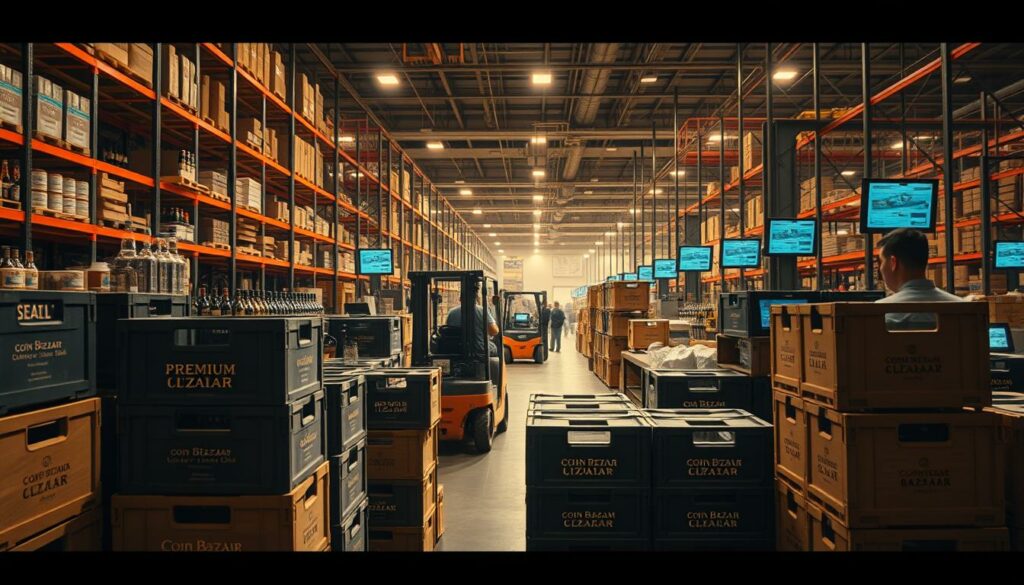
The Indian bar supply chain has several important players. These include suppliers, distributors, and logistics providers. Good communication and teamwork among these groups are key for smooth operations. A well-run supply chain can boost profits and customer happiness.
How Supply Chain Efficiency Directly Impacts Your Profitability
Supply chain efficiency directly affects a bar’s profits. By cutting down on waste, avoiding stockouts, and managing inventory well, bars can make more money. Experts say, “A well-managed supply chain is not just about saving money. It’s about staying ahead of the competition.”
By grasping the bar supply chain and tackling its unique hurdles, bar owners in India can enhance their operations. This helps them stay competitive in a fast-changing market.
Identifying Common Bottlenecks in Bar Operations
Bars in India face many challenges, but finding and fixing bottlenecks is key. Bottleneck analysis helps keep things running smoothly and boosts profits.
Inventory Forecasting Challenges During Festival Seasons
Bars have trouble with inventory forecasting during festivals. Demand for drinks goes up, and not predicting this can cause stockouts or too much stock.
Order Processing Delays with Distributors
Bars can’t serve customers fast if distributors are slow. Using smart logistics efficiency can help fix this problem.
Delivery Scheduling Issues in Urban Indian Markets
Urban areas in India make delivery hard because of traffic and other problems. Bars need to adjust their delivery times to get around these issues.
Storage Constraints in Typical Indian Bar Settings
Indian bars, and those in cities even more, often have too little space for storage.
Temperature Control Challenges
Keeping drinks at the right temperature is very important. If not, drinks can spoil, leading to big losses.
Space Optimization Techniques
Using smart inventory management can make the most of small storage areas. This includes stacking things up and using labels.
| Bottleneck | Impact | Solution |
|---|---|---|
| Inventory Forecasting | Stockouts or overstocking | Advanced forecasting tools |
| Order Processing Delays | Delayed deliveries | Efficient logistics management |
| Storage Constraints | Limited storage capacity | Space optimization techniques |
The Impact of Inefficient Logistics on Customer Experience
Inefficient logistics can really hurt your bar’s customer experience. It affects service quality and how loyal customers are. When things aren’t running smoothly, it can make customers unhappy and less likely to come back.
When Popular Items Go Out of Stock: Customer Disappointment Metrics
When popular items are out of stock, customers get really disappointed. You should track:
- How often items are out of stock
- How many customers complain about missing items
- How much money you lose because of stockouts
Keeping an eye on these numbers helps you see how stockouts hurt your customers. This way, you can make better choices to manage your inventory better.
How Logistics Failures Affect Service Quality and Wait Times
Logistics problems can mess up your service and make customers wait longer. For example, if you can’t get inventory on time, you might see:
- Customers waiting longer for their orders
- Staff getting stressed and working too hard
- Missing out on sales when it’s busy
Working on making your logistics better can help fix these problems. This way, you can keep your service smooth and your customers happy.
The Relationship Between Logistics and Customer Retention in Competitive Markets
In competitive markets, keeping customers is key to success. Good logistics help keep customers happy, which helps keep them coming back. By improving your process improvement and supply chain management, you can keep your customers loyal and stay ahead.
Understanding how logistics affects your customers and making improvements can make your bar a better place for them.
Refining Bottlenecks & Logistics: A Systematic Approach
To make your bar better, you need to focus on improving bottlenecks and logistics. Start by looking at how things are done now and find ways to do them better.
Process Mapping Your Bar Operations from Procurement to Service
Process mapping is key to understanding your bar’s flow. It lets you see every step, from getting supplies to serving customers. This way, you can spot where things slow down or go wrong.
Key steps in process mapping include:
- Identifying all stakeholders involved in the process
- Documenting every step from procurement to service
- Analyzing the flow of materials and information
- Highlighting areas of inefficiency or waste
Identifying Critical Control Points in Your Supply Chain
It’s important to find key points in your supply chain where you can control issues. This could be checking inventory, tracking suppliers, or controlling where things are stored.
Implementing Data-Driven Decision Making for Inventory Management
Using data is key for managing inventory well. It helps you decide on stock levels, who to buy from, and how much to order.
Key Performance Indicators to Track
To manage your inventory well, track important signs like how often stock runs out and how fast orders are filled. These signs help you see where you can get better.
Creating Actionable Insights from Data
Data gives you real insights. By looking at your inventory data, you can find patterns that help you manage better. This might mean changing how you order, where you store things, or talking to suppliers.
By focusing on improving bottlenecks and logistics, your bar can run smoother and make customers happier.
Supply Chain Optimization Strategies for Indian Bars
Understanding and using effective supply chain strategies is key for a successful bar in India. By improving your logistics and inventory, you can cut costs and make customers happier.
Adapting Global Best Practices to Local Indian Conditions
While global strategies are a good start, it’s important to tailor them for India. Knowing local festivals and what customers like helps you guess demand better. A supply chain expert says, “Being able to adjust global strategies for local needs is what makes businesses successful.”
“The ability to adapt global strategies to local conditions is what sets successful businesses apart.” – Supply Chain Expert
Building Resilient Supplier Relationships in Volatile Markets
Having strong supplier relationships is key, more so in unstable markets. This means talking often, understanding each other, and sometimes changing terms to help both sides. Strong supplier relationships give you a big edge over competitors.
Negotiating Better Terms with Distributors and Importers
Talking to distributors and importers can get you better prices and terms. It’s about finding a way where both you and the supplier win. Good negotiation can really boost your logistics efficiency.
Collaborative Planning with Suppliers for Peak Seasons
Working with suppliers to get ready for busy times is a big help. This means predicting demand, stocking up on what’s popular, and making sure deliveries are on time. By teaming up, you can avoid running out of stock or having too much, using lean manufacturing in your inventory.
By using these strategies, Indian bars can make their supply chains more efficient. This means lower costs and happier customers. It’s all about making sure everything flows smoothly from start to finish, keeping your bar ahead in a fast-changing market.
Inventory Management Technologies for Modern Bars
In today’s competitive bar scene, the right inventory management technology is key. Bars now have many solutions tailored to their needs. This technology can greatly impact your profits.
Effective inventory management is vital for bars to cut waste and boost profits. The right tech can streamline operations, enhance customer satisfaction, and keep you competitive.
POS Systems with Inventory Tracking Capabilities for Indian Operations
POS systems with inventory tracking are popular in India. They let you check stock levels in real-time. They also update inventory automatically and provide reports for better decision-making.
Some POS systems are made for the Indian market. They handle GST and support local languages.
Mobile Applications for Real-Time Inventory Updates on the Floor
Mobile apps for inventory management let staff update stock levels instantly. This speeds up inventory management and boosts accuracy.
These apps are great during busy times or events. They help keep an eye on stock levels closely.
RFID and Barcode Solutions for Accurate Stock Counts
RFID and barcode solutions improve stock count accuracy. Assigning RFID tags or barcodes to items makes tracking easier.
These systems cut down on counting errors. They make inventory audits more efficient.
Cloud-Based Inventory Management Systems with Offline Capabilities
Cloud-based systems let you access inventory data anywhere, anytime. Many offer offline capabilities too. This is useful for bars with unreliable internet.
Cost-Effective Solutions for Small and Medium Bars
Cost is a big factor for small and medium bars. There are affordable solutions that offer key features without a high price tag.
Options include basic POS systems, mobile apps for small businesses, and simple cloud-based systems.
Enterprise Solutions for Bar Chains
Larger bar chains need enterprise-level solutions. These offer advanced features like centralized inventory management and automated reporting. They integrate with other business systems too.
These solutions give better visibility and control over inventory. They help make informed decisions and drive growth.
| Technology | Key Features | Benefits |
|---|---|---|
| POS Systems with Inventory Tracking | Real-time inventory updates, automated reporting | Improved accuracy, reduced waste |
| Mobile Applications | Real-time updates on the floor, handheld devices | Increased efficiency, better stock management |
| RFID and Barcode Solutions | Accurate stock counts, reduced errors | Improved inventory accuracy, reduced labor costs |
| Cloud-Based Inventory Management | Access from anywhere, offline capabilities | Flexibility, reliability |
Transportation Logistics: Overcoming Challenges in Indian Cities
Indian cities face unique challenges for transportation logistics, impacting bar operations. Urban congestion, infrastructure problems, and weather changes make timely deliveries hard.
Navigating Urban Congestion for Timely Deliveries in Metro Cities
Metro cities like Mumbai, Delhi, and Bangalore are known for their traffic jams. Bars can team up with local logistics experts who know the city’s traffic well. Using a just-in-time inventory system can also cut down on delivery needs, easing traffic issues.
Last-Mile Delivery Solutions for Bars in Crowded Areas
Last-mile delivery is key in crowded areas. Bars can use alternative transport like bicycles or electric vehicles to get through tight streets.
| Delivery Method | Advantages | Disadvantages |
|---|---|---|
| Trucks | High capacity | Difficulty navigating narrow streets |
| Bicycles | Easy to navigate, environmentally friendly | Limited capacity |
| Electric Vehicles | Efficient, reduces carbon footprint | Higher initial investment |
Alternative Transportation Methods During Peak Hours and Monsoon Season
During busy times and the monsoon, special transport options are vital. Bars can partner with providers that offer real-time tracking and updates. This lets them adjust delivery times as needed.
Working with Specialized Beverage Logistics Providers
Specialized beverage logistics providers know how to meet bar needs. They provide customized logistics solutions for each bar, ensuring a smooth supply chain.
By using these strategies, bars in Indian cities can beat transportation logistics challenges. They can ensure timely deliveries and keep their supply chain running smoothly.
Implementing Lean Principles in Bar Operations
Lean principles can help your bar run better by cutting waste. Originally for factories, these ideas work well in bars too.
Eliminating Waste in Bar Processes and Inventory
Start by finding and removing waste. In bars, this means less inventory, fewer staff moves, and better processes. This makes your bar cheaper and service better.
For example, getting supplies just when you need them can cut waste. This needs good supplier relationships and a solid delivery system.
Just-in-Time Inventory Management for Perishable Items
Just-in-time (JIT) inventory means getting items right when you need them. It’s great for things that spoil fast, like food and drinks. It saves space and cuts down on waste.
To make JIT work, you need a good system to track what you have. Also, having strong supplier ties helps you adjust to demand changes fast.
Standardizing Operational Procedures Across Shifts
Standardizing how things are done is key to lean. It makes sure service is the same everywhere and reduces mistakes. This means documenting the best ways to do things and training staff.
Regular checks and feedback help keep things on track. They also show where you can get even better.
Creating a Continuous Improvement Culture Among Staff
It’s important to keep improving. This means encouraging staff to find ways to do things better.
Daily Improvement Meetings
Daily meetings are a good way to get staff involved. They’re a chance to talk about problems, share ideas, and plan for the day.
Staff Suggestion Systems
A system for staff suggestions helps everyone feel part of the improvement. By rewarding good ideas, you encourage staff to help make things better.
By using these lean methods, your bar can be more efficient and profitable. The main thing is to keep improving and involve your staff.
Staff Training for Improved Logistics Management
Staff training is key to better logistics and supply chain management in bars. It helps your team know what to do to make things run smoother. This way, you can make your operations more efficient and effective.
Developing Logistics Awareness Among Bar Staff at All Levels
It’s important to make your staff understand the value of good logistics. Teach them about managing inventory well, ordering on time, and how their work affects the whole supply chain.
Role-Specific Training for Inventory Handlers and Managers
Training each role separately is essential. Inventory handlers and managers need to know the best ways to manage and store stock. They should also learn about using inventory software and understanding when supplies will arrive.
Creating Accountability Systems Without Blame Culture
Setting up systems that focus on getting better, not blaming, boosts morale and productivity. Make sure everyone knows what’s expected and give feedback often.
Cross-Training Staff for Supply Chain Resilience
Teaching staff to do different jobs in the supply chain makes your bar more flexible and resilient. This way, your bar can handle surprises or changes in demand better.
Financial Implications of Logistics Inefficiencies
Logistics problems can quietly cut into your bar’s profits. It’s important to spot and fix these issues. These problems can affect many parts of your business.
Calculating the True Cost of Stockouts and Lost Sales
Stockouts can cause lost sales and unhappy customers. The cost goes beyond just lost money. It also affects customer loyalty and your brand’s image. For example, one stockout might make many customers leave for good.
| Impact of Stockouts | Immediate Effect | Long-term Effect |
|---|---|---|
| Lost Sales | Direct revenue loss | Customer dissatisfaction |
| Customer Loyalty | Short-term inconvenience | Long-term brand reputation damage |
Hidden Expenses in Poor Inventory Management and Wastage
Poor inventory management can cause overstocking. This wastes money and increases the chance of throwing away perishable items. On the other hand, not having enough stock means missing out on sales. Efficient inventory management helps avoid these costs.
ROI Analysis for Logistics Improvements and Technology Investments
Before investing in logistics or technology, do an ROI analysis. This compares the cost of the investment to the expected savings. For instance, an automated inventory management system could cut down on waste and improve how quickly you fulfill orders.
Tax Implications of Inventory Management in Different Indian States
Inventory management also affects taxes, mainly in India. Different states have different GST rates and rules. Knowing these can help you manage your inventory better and save on taxes.
By tackling logistics problems and improving inventory management, your bar’s finances can get a lot better. It’s about making smart choices that boost your profits.
Technology Integration for Seamless Supply Chain Management
In today’s fast-paced bar industry, technology is key for smooth supply chain management. As a bar owner, you face challenges in managing inventory, suppliers, and logistics. The right technologies can streamline your operations, cut costs, and boost customer satisfaction.
Automated Ordering Systems That Work with Indian Suppliers
Automated ordering systems cut down on manual errors and save time. They work with your Indian suppliers to ensure timely delivery of the right products. Automated ordering lets you track orders in real-time, making inventory management easier.
Predictive Analytics for Demand Forecasting During Events and Seasons
Predictive analytics forecast demand during events and seasons. This ensures you’re stocked to meet customer needs. By analyzing data and trends, you make informed inventory decisions. This tech also spots opportunities to sell more.
Supplier Portals and Communication Platforms for Real-Time Updates
Supplier portals and platforms give real-time updates. This keeps you informed about your orders. They also make communication with suppliers easier, helping solve any issues quickly.
Mobile Solutions for On-the-Go Management by Bar Owners
Mobile solutions let you manage your supply chain anywhere. With mobile apps, you can track inventory, monitor orders, and talk to suppliers instantly.
Integration with Accounting Systems
Linking your supply chain tech with accounting systems streamlines finances. This integration tracks expenses, manages cash flow, and informs business decisions.
Security Considerations for Digital Supply Chain Management
When using digital supply chain solutions, security is vital. Make sure your tech provider has strong security, like data encryption and secure login, to protect your business from cyber threats.
By adopting these technologies, you can build a smooth and efficient supply chain. As the bar industry grows, staying updated with the latest tech is essential for success.
Case Studies: Successful Logistics Transformations in Indian Bars
Indian bars from Mumbai to Goa are using new logistics to boost profits. Let’s see how some have changed their logistics for the better.
Revolutionizing Supply Chain in Mumbai
A top cocktail bar in Mumbai got better at logistics efficiency with a just-in-time inventory system. This cut down waste and made sure they had the latest ingredients for their drinks.
“By streamlining our supply chain, we’ve been able to reduce our inventory costs by 20% and improve customer satisfaction.” – Bar Manager, Mumbai
Inventory Optimization in Bangalore
A microbrewery in Bangalore used a cloud-based system to manage its inventory. This let them keep track of stock in real-time and make smart supply chain choices.
Transportation Logistics in Delhi
A lounge bar in Delhi teamed up with a special beverage logistics company. This made deliveries faster and more reliable, even in Delhi’s busy streets.
Managing Seasonal Demand in Goa
A beach bar in Goa handled seasonal demand changes well with a flexible supply chain. They quickly adjusted their stock and supplier deals to meet customer needs.
These case studies show how key supply chain optimization is for Indian bars. By using new logistics, these places improved efficiency, cut costs, and made customers happier.
Regulatory Considerations Affecting Bar Logistics in India
It’s important to know the alcohol laws in each state to run a bar well in India. The rules for bars vary by state, affecting how they manage their stock and logistics.
Navigating State-Specific Alcohol Regulations and Excise Policies
Every state in India has its own alcohol sale rules. Some states control certain alcohol sales, while others let private sellers. Bars need to follow these rules to stay legal.
| State | Regulatory Body | Key Regulations |
|---|---|---|
| Maharashtra | Maharashtra State Excise Department | Strict licensing requirements, limits on alcohol sales hours |
| Tamil Nadu | Tamil Nadu State Marketing Corporation Limited | State monopoly on liquor sales, specific labeling requirements |
| Karnataka | Karnataka State Beverages Corporation | Restrictions on happy hours, specific rules for foreign liquor |
Compliance Requirements for Inventory Management and Reporting
Bars must keep accurate records and report to the authorities. They need to track their alcohol stock, sales, and waste. Following these rules helps avoid fines and keeps operations smooth.
Documentation Best Practices for Smooth Operations with Authorities
Bars need to keep detailed records to meet legal standards. This includes licenses, inventory, and sales data. Good documentation helps during audits and inspections, lowering the chance of fines.
Staying Updated with Changing Regulations Across States
Alcohol laws can change often. Bars must keep up with these changes to stay legal. They can get updates from regulatory bodies, industry groups, and lawyers.
By following the rules, bars in India can improve their logistics and cut risks. Good supply chain management and legal compliance are vital for success in the bar business.
Conclusion: Building a Resilient Bar Supply Chain for Long-Term Success
Creating a strong bar supply chain is key for lasting success in India’s competitive hospitality world. Knowing the challenges of managing bar inventory and finding common problems helps. This way, you can use smart strategies to make your supply chain better.
Using tech like POS systems and mobile apps for updates can really help. Cloud-based systems for managing inventory are also great. Training staff on logistics and using lean principles can cut down on waste and boost efficiency.
By focusing on making your supply chain better, your bar can handle busy times and surprises. This leads to long-term success. Always keep an eye on your supply chain and make changes as needed to stay ahead and meet customer needs.