






The Reserve Bank of India (RBI) has stopped adding to its gold reserves in FY26. It’s keeping its gold at 880 metric tonnes. This change is part of a bigger set of rules that are changing how precious metals trade works in India.
The RBI and Securities and Exchange Board of India (SEBI) are key in guiding this market. Their rules greatly affect the trade. They shape how the market moves and what choices investors make. Knowing these rules is very important.
Looking into the current rules, you’ll learn how they change the precious metals market. You’ll also see what it means for you.
Key Takeaways
- The RBI has halted its gold reserve accumulation.
- SEBI and RBI regulations significantly impact the precious metals trade.
- Understanding these regulations is crucial for market participants.
- The regulatory environment is complex and dynamic.
- Staying informed is key to navigating this market effectively.
The Current State of Precious Metals Market in India
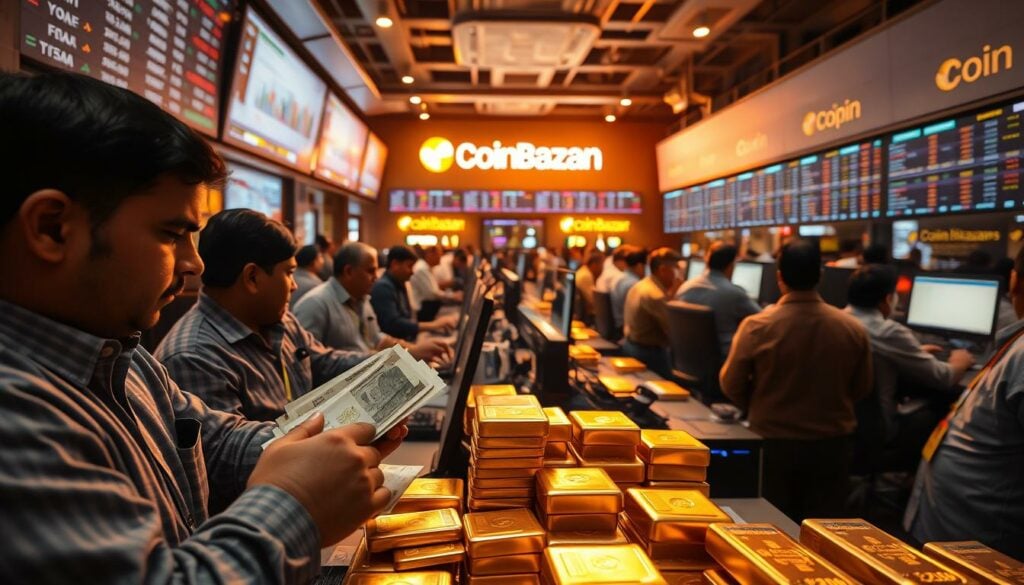
India’s precious metals market is always changing. It’s shaped by both local and global trends. This market shows how the economy and consumer habits are shifting.
Market Size and Growth Trends
The market for precious metals in India has grown a lot. This growth is thanks to more people wanting gold and silver. Over five years, gold prices have gone up by 80% because of world trade and political issues.
This increase has helped the market grow even more. It’s expected to keep growing because of more investment and people’s ability to buy.
Key Players in the Indian Precious Metals Ecosystem
Many different players make up India’s precious metals market. There are big bullion traders and banks, as well as small jewelers. The Indian Bullion and Jewellers Association is very important. They help set the rules and standards for the market.
These players help shape the market. They do this by trading and following the rules.
Recent Market Fluctuations and Causes
Recently, the market has seen ups and downs. These changes are because of world economic worries, like trade issues and changes in currency value. The precious metal market is very sensitive to these things.
These worries affect how people feel about investing. They also change how much people want safe assets like gold. It’s important for investors to understand these changes.
Understanding the Regulatory Framework for Precious Metals in India
Investors need to know the rules for precious metals in India. The rules are shaped by history and key bodies like the Reserve Bank of India (RBI) and the Securities and Exchange Board of India (SEBI).
Historical Context of Precious Metals Regulation
The rules for precious metals in India started in the early 20th century. First, they focused on gold imports and exports. Now, they cover metals like silver, platinum, and palladium too. The RBI keeps a steady amount of gold, showing a careful approach.
Role of RBI in Precious Metals Oversight
The RBI is key in watching over the precious metals market. It manages gold imports and exports with policies. The 80:20 scheme is one, making sure gold is sold to banks quickly. This helps keep the gold market stable.
“The RBI’s measures are designed to maintain the stability of the gold market and prevent excessive volatility.”
SEBI’s Jurisdiction in Precious Metals Trading
SEBI looks after trading in precious metals derivatives and ETFs. It makes sure trading places work fairly and openly. SEBI also sets rules for gold ETFs, helping investors make smart choices.
| Regulatory Body | Role in Precious Metals Market |
|---|---|
| RBI | Oversees gold imports/exports, manages gold reserves |
| SEBI | Regulates precious metals derivatives and ETFs |

Major RBI Policy Changes Affecting Gold Imports This Year
India’s gold import policies are changing a lot because of RBI’s new rules. The Reserve Bank of India is making big changes to control gold imports better. This affects many people in the gold trade.
Revised Import Duty Structure
The RBI has set up a revised import duty structure to manage gold imports. This change will likely change how gold is priced in India.
| Import Duty Component | Previous Rate | Revised Rate |
|---|---|---|
| Basic Customs Duty | 7.5% | 10% |
| Integrated GST | 3% | 3% |
| Total Duty | 10.5% | 13% |
Changes to the 80:20 Scheme
The 80:20 scheme has been updated. It lets banks use 80% of gold imports for sale and 20% for exports. The new rules aim to use gold better and cut down trade deficits.
- Revised allocation ratios for gold imports
- Stricter monitoring of gold usage by banks
Impact on Authorized Dealers and Importers
Authorized dealers and importers are seeing big changes. The new import duty and 80:20 scheme updates will change how they do business and make money.
SEBI’s New Guidelines for Gold Exchange Traded Funds (GTFs)
SEBI has brought in new rules for Gold Exchange Traded Funds (GTFs). This change is big for gold investments in India. Gold ETFs have attracted a lot of money, including from companies. So, these rules are key for the market.
Revised Asset Allocation Requirements
The new rules change how Gold ETFs invest. These updates aim to improve gold investment. They make sure funds are used well. These changes will likely affect how well Gold ETFs do.
Transparency and Disclosure Norms
SEBI’s new rules also focus on transparency and disclosure for Gold ETFs. The new rules will give investors better information. This will help them make smarter choices.
| Disclosure Requirements | Previous Guidelines | New Guidelines |
|---|---|---|
| Net Asset Value (NAV) Disclosure | Daily | Real-time |
| Investment Holdings Disclosure | Monthly | Weekly |
How These Changes Affect Your Gold ETF Investments
With the new rules, the Gold ETF market will be clearer and more efficient. You should look at your investment plans again. The new rules will help you make better choices.
Regulatory Changes Impacting Silver Trading and Investment
Regulatory updates are changing the way we trade and invest in silver in India. As a big player in the precious metals market, it’s key to understand these changes. This is important for both investors and traders.
New Silver Import Regulations
The Indian government has brought in new rules for silver imports. These rules aim to make trade smoother and cut down on illegal activities. Now, importers need to follow stricter documentation and get a license.
Silver ETF Guidelines and Their Implementation
The Securities and Exchange Board of India (SEBI) has set new rules for Silver Exchange-Traded Funds (ETFs). These rules focus on making things clear, managing assets well, and protecting investors. They’re expected to make investors more confident in silver ETFs.
Tax Implications for Silver Investments
Investors need to know about the taxes on their silver investments. Recent changes in capital gains tax and Goods and Services Tax (GST) on silver deals might change how you invest.
| Regulatory Change | Impact on Silver Trading/Investment |
|---|---|
| New Silver Import Regulations | Stricter documentation and licensing for importers |
| Silver ETF Guidelines | Enhanced transparency and investor protection |
| Tax Implications | Changes in capital gains tax and GST on silver transactions |
Precious Metals Derivatives: New Rules and Trading Parameters
The world of precious metals derivatives is changing fast. New rules and trading parameters are being put in place. It’s crucial to understand these changes to move through the market smoothly.
Changes in Futures Contract Specifications
The futures contract specs for precious metals have been updated. These updates affect how we trade gold and silver futures.
Gold Futures Contracts
Gold futures now have a different contract size. This change aims to boost liquidity and make trading easier. Here are the new specs:
| Contract Specifications | Previous | Current |
|---|---|---|
| Contract Size | 1 kg | 100 grams |
| Minimum Tick Size | ₹ 10 | ₹ 5 |
Silver Futures Contracts
Silver futures contracts have also seen updates. These changes aim to make the market more efficient.
| Contract Specifications | Previous | Current |
|---|---|---|
| Contract Size | 5 kg | 1 kg |
| Minimum Tick Size | ₹ 50 | ₹ 25 |
Options Trading Regulations for Gold and Silver
Options trading for gold and silver has new rules. These rules aim to increase transparency and lower risk.
Key changes include:
- Enhanced disclosure requirements for options traders
- Stricter margin requirements to mitigate potential losses
Position Limits and Margin Requirements
Position limits and margin requirements have been tweaked. It’s important to know these changes to follow the new rules.
The new margin requirements are as follows:
| Commodity | Previous Margin | Current Margin |
|---|---|---|
| Gold | 5% | 7% |
| Silver | 6% | 8% |
Digital Gold Regulations: RBI and SEBI’s Stance
Digital gold is becoming more popular, and RBI and SEBI are watching closely. They want to make sure it’s safe and fair for everyone. This means setting up strong rules to protect buyers and keep the market honest.
Regulatory Framework for Digital Gold Platforms
RBI and SEBI are teaming up to create rules for digital gold sites. They want these sites to follow strict guidelines. This ensures they operate fairly and safely.
- Registration requirements for digital gold platforms
- Operational guidelines for transparency and security
- Compliance with existing financial regulations
KYC and AML Requirements for Digital Gold Transactions
Digital gold sites must follow strict KYC (Know Your Customer) and AML (Anti-Money Laundering) rules. This helps stop bad activities. Here’s what they need to do:
| KYC Requirements | AML Measures |
|---|---|
| Verification of customer identity | Monitoring transactions for suspicious activity |
| Regular updates of customer information | Reporting suspicious transactions to authorities |
Consumer Protection Measures
Protecting buyers is a big part of the new rules. Here’s what’s included:
- Clear disclosure of terms and conditions
- Protection of customer assets
- Mechanisms for grievance redressal
RBI and SEBI want to make digital gold transactions safe and clear. They aim to build trust and help the market grow in a healthy way.
Sovereign Gold Bond Scheme: Recent Modifications
As an investor, it’s important to know about the latest changes to the Sovereign Gold Bond Scheme. The Reserve Bank of India (RBI) has made several updates. These changes aim to make the Sovereign Gold Bond more appealing and accessible to you.
Changes in Issuance Schedule and Subscription Limits
The RBI has updated the issuance schedule for Sovereign Gold Bonds. Now, there are more issuances throughout the year. Also, the subscription limits have been increased. This means you can invest more, helping you diversify your portfolio.
Revised Interest Rates and Tax Benefits
The interest rates for Sovereign Gold Bonds have been updated. They now offer competitive returns. Plus, the tax benefits have been improved. The interest earned is taxable, but you get a capital gains tax exemption. This makes it a great option for saving.
Secondary Market Trading Rules
New secondary market trading rules have been put in place. These rules make buying and selling Sovereign Gold Bonds easier on stock exchanges. This change is expected to attract more investors.
Impact on Jewellery Retailers and Manufacturers
The Indian jewellery industry is about to change with new rules. These rules will affect how retailers and makers work, what they need to do, and how they talk to customers.
Hallmarking Regulations and Compliance Timeline
Hallmarking rules are key in the new framework. Retailers and makers must follow BIS guidelines for hallmarking.
BIS Standards for Different Karatages
- 22-karat gold jewellery must meet specific BIS standards.
- 18-karat gold jewellery has its own set of requirements.
- Manufacturers must ensure their products adhere to these standards.
Implementation Phases and Deadlines
The hallmarking rules will be rolled out in stages, with clear deadlines. Retailers and makers need to know these dates to avoid fines.
Supply Chain Documentation Requirements
New rules also mean stricter records for the supply chain. Retailers and makers must keep detailed records of their deals, like invoices and gold source proof.
Consumer Protection Measures in Retail Gold Sales
Protecting customers is a big part of the new rules. Retailers must now clearly tell customers about the gold’s purity and quality. This makes sales more open and honest.
By following these rules, retailers and makers can keep their good name and gain customer trust.
The Precious Metals Investment Landscape Under New Regulations
New regulations are changing the precious metals investment world. This brings both challenges and chances for investors. It’s important to understand these changes to make smart investment choices.
Risk and Return Profile Changes
New rules are changing how risky and rewarding precious metals investments are. For example, changes in import duties and taxes can make some investments less appealing. You should look at how these changes impact your portfolio and adjust your plans.
Diversification Strategies for Indian Investors
Diversifying your investments is key to managing risk. With new rules, you might need to rebalance your precious metals investments. Spread your investments across different metals like gold, silver, platinum, and palladium to reduce risk.
Long-term vs Short-term Investment Considerations
When investing in precious metals, think about how long you plan to hold them. Long-term investments might be less affected by short-term market ups and downs. Short-term investments, however, need more active management. Choose investments that match your financial goals and how much risk you can handle.
As you deal with new regulations, staying up-to-date and flexible is crucial for investing in precious metals. By understanding changes in risk, diversification, and time frames, you can make choices that fit your financial goals.
How Regulations Are Affecting Platinum and Palladium Markets
Regulatory updates are changing the game for platinum and palladium trading in India. Global events like wars and conflicts keep disrupting trade. This affects precious metals prices. The Indian government has brought in new rules to manage the platinum and palladium markets better.
Import and Trading Guidelines for Platinum
The new platinum rules include updated import guidelines. They allow specific dealers to bring in platinum. This ensures the metal comes from approved places.
Key points of these guidelines are:
- Stricter documentation for importers
- More checks for authorized dealers
- Regular audits to keep things in line
Regulatory Framework for Palladium Transactions
The palladium rules aim for transparency and accountability in deals. Now, all palladium trades must be reported to the right people. Traders also need to keep detailed records of their deals.
Key parts of this framework are:
- Standardized reporting for palladium trades
- Tight Know Your Customer (KYC) rules for traders
- Regular checks and enforcement by regulators
Banking Regulations Related to Precious Metals Financing
It’s important for investors to know about the latest banking rules on precious metals financing. These updates aim to make the market more open and stable.
Gold Loan Policy Updates
The Reserve Bank of India (RBI) has made big changes to the gold loan policy. These updates affect how banks lend money against gold. The goal is to lower the risk of gold lending.
Changes in Loan-to-Value Ratios
The RBI has changed the loan-to-value (LTV) ratios for gold loans. Now, the LTV ratio is 75% of the gold’s value, down from 80%. This change helps reduce default risk by making borrowers invest more.
Interest Rate Regulations
Banks must now follow stricter rules when setting interest rates for gold loans. The RBI says interest rates must be more transparent and clearly told to borrowers.
Metal Accounts and Their Regulation
The RBI has also tightened rules for metal accounts, where precious metals are held and traded. These updates aim to stop money laundering and make transactions clear.
- Banks must now verify the identity of individuals opening metal accounts.
- Transactions above a certain threshold must be reported to the RBI.
- Banks are required to keep detailed records of all metal account transactions.
Bullion Banking Framework
The bullion banking framework has been updated to improve the precious metals market’s integrity. The new rules include stricter guidelines for banks in precious metals.
- Banks must follow strict reporting rules for precious metals transactions.
- The RBI will do regular audits to check compliance.
- Banks must be very transparent in their dealings.
These updates are part of a bigger effort to stabilize the precious metals market and protect investors. As an investor, it’s crucial to keep up with these regulations to make smart choices.
Compliance Requirements for Precious Metals Dealers and Traders
New rules are in place for precious metals dealers and traders in India. These rules aim to make the market fair and stable. They ensure everyone plays by the same rules.
Registration and Licensing Updates
Precious metals dealers and traders must now register and get licenses. Registration means giving out business details like name, address, and PAN. To get a license, they must meet certain standards, like having enough money and following anti-money laundering rules.
| Registration Requirement | Description |
|---|---|
| Business Information | Provide detailed business information, including name, address, and PAN details. |
| Licensing Criteria | Meet specific criteria, such as minimum net worth and AML compliance. |
Record-Keeping and Reporting Obligations
Dealers and traders must keep accurate records of their deals. This includes the metals traded, how much, and the value. They must also report regularly to the authorities. This helps keep the market open and allows for monitoring.
- Maintain records of all transactions, including metal type, quantity, and value.
- Submit regular reports to the relevant regulatory authorities.
Penalties for Non-Compliance
Not following the rules can lead to big penalties. This includes fines and even shutting down the business. It’s important for dealers and traders to follow these rules to avoid trouble and keep a good reputation.
By keeping up with the rules, precious metals dealers and traders can help make the market better. They ensure it’s stable and open for everyone.
International Trade Regulations Affecting Precious Metals Import/Export
International trade rules greatly affect India’s precious metals market. India plays a big role in the global trade of precious metals. This means it’s influenced by the politics of countries that export these metals, which can change how much gold India imports.
FEMA Regulations for Precious Metals Transactions
The Foreign Exchange Management Act (FEMA) controls foreign exchange in India, including precious metals. FEMA guidelines say how precious metals can be brought in and sent out. This makes sure India follows international trade laws.
Free Trade Agreements Impacting Metal Tariffs
India’s free trade agreements (FTAs) change how much it pays in tariffs for precious metals. For example, FTAs can make imports cheaper by lowering or removing tariffs. A good example is India’s FTA with some countries, which has changed metal tariffs.
| FTA | Impact on Tariffs | Effect on Imports |
|---|---|---|
| India-UAE FTA | Reduced tariffs on gold | Increased gold imports |
| India-Australia EFTA | Lowered tariffs on certain metals | Potential increase in metal imports |
Documentation Requirements for Cross-Border Transactions
When moving precious metals across borders, you need to follow strict rules. You must comply with Know Your Customer (KYC) and Anti-Money Laundering (AML) rules. This ensures your transactions are legal and smooth.
In summary, international trade rules are key for India’s precious metals trade. Knowing about FEMA, the effects of FTAs, and what documents you need is vital. This helps with following the rules and doing successful trade.
Tax Implications of the New Regulatory Framework
It’s key for investors in precious metals to grasp the tax changes. New rules for trading precious metals in India bring tax changes. These can shape your investment choices.
GST Updates on Precious Metals Transactions
GST has made taxes clearer for precious metals deals. GST rates on gold and silver are now the same everywhere. This makes it easier for traders and investors to follow the rules. Remember, GST is charged on jewelry making and precious metal sales.
Capital Gains Tax Considerations
Capital gains tax is a big deal for precious metals investors. The tax rate varies based on the gain’s duration.
Short-term Capital Gains
Short-term gains, made in 36 months or less, are taxed based on your income tax bracket.
Long-term Capital Gains
Long-term gains, over 36 months, get a better tax rate. Long-term capital gains tax is 20% after adjusting for inflation.
Wealth Tax and Other Applicable Taxes
Wealth tax doesn’t directly hit precious metals. But, securities transaction tax might apply to certain investments. Always talk to a tax expert to get the full picture of your taxes.
Conclusion: Navigating the Regulatory Landscape for Your Precious Metals Investments
Understanding the regulatory landscape is key when investing in precious metals. Recent changes from RBI and SEBI have greatly affected the industry. It’s important to stay informed to make smart investment choices.
The new rules have changed how we import gold, trade silver, and use digital gold platforms. These changes affect your investment options and strategies. Keeping up with these updates helps you navigate market changes and make better investment decisions.
To get the most from your investments, it’s crucial to grasp how these changes impact you. Regularly check for updates and adjust your strategies as needed. This way, your precious metals investments will stay in line with your financial goals and risk level.