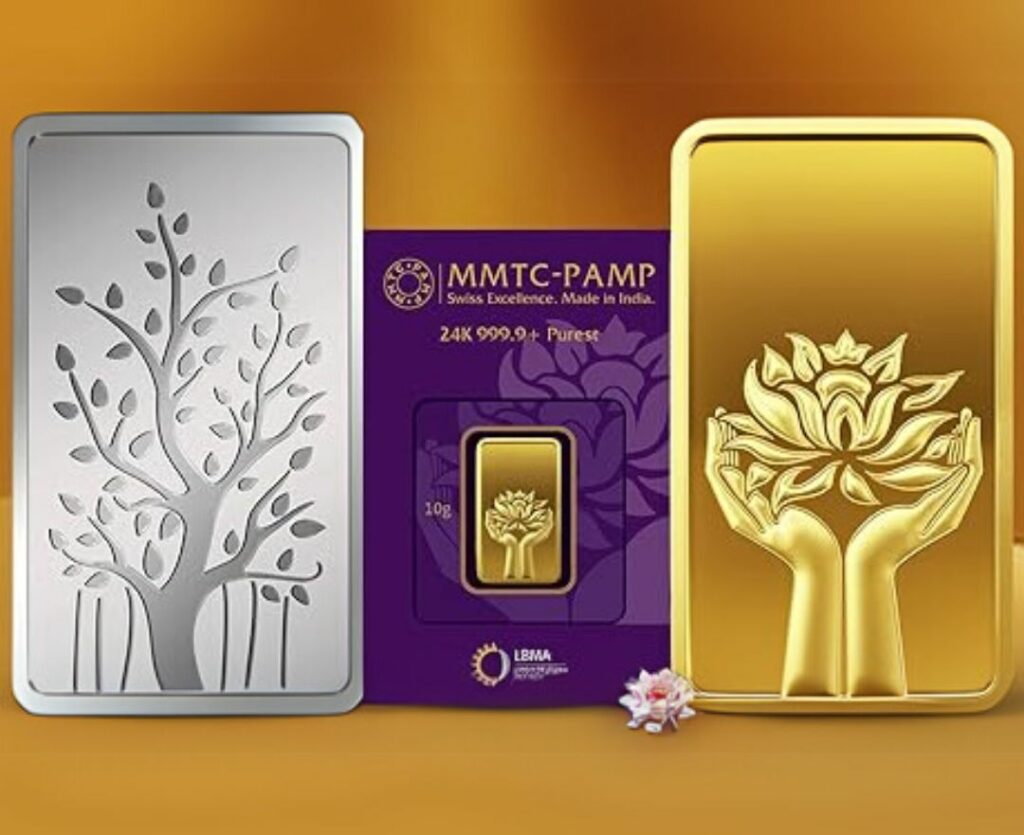






The Indian government has made hallmarking for gold jewellery mandatory, including 9K and 14K items, starting in 2025. This change aims to protect consumers by making purity standards clear.
If you run a luxury accessories business, you must understand these new rules. Not following them can lead to big fines and harm your reputation.
To keep selling in India, your fine jewelry must meet the new hallmarking standards.
Key Takeaways
- Mandatory hallmarking for gold jewellery starts in 2025.
- Non-compliance can result in significant legal penalties.
- Businesses must ensure their products meet the new purity standards.
- Hallmarking aims to protect consumers and ensure transparency.
- Fine jewelry and luxury accessories businesses are affected.
The Current State of Jewellery Hallmarking in India
The jewellery market in India is known for its stunning diamond rings and designer bracelets. It’s about to see a big change. The Bureau of Indian Standards (BIS) has been key in setting hallmarking rules. These rules make sure jewellery is pure and real.
History of Hallmarking Regulations in India
Hallmarking in India has a long history. It started as a choice, but now it’s required for some gold jewellery. The BIS has been in charge of these rules. Recently, 9K and 14K gold became mandatory, which is a big step for protecting buyers.
The Bureau of Indian Standards (BIS) Role
The BIS is very important in jewellery hallmarking. It sets the standards for gold purity and makes sure these standards are followed. The BIS protects buyers by making sure jewellers follow the rules. With 9K gold now under mandatory hallmarking, the BIS aims to increase trust in the jewellery market.
As India’s jewellery industry grows, it’s key to understand the current hallmarking rules. This helps businesses deal with the upcoming changes well.
Understanding Gold Purity:9K and14K Explained
Exploring gold jewellery means knowing about gold purity, especially for 9K and 14K. Gold purity is measured in carats. Both 9K and 14K gold are well-liked worldwide. In India, it’s key for those buying custom necklaces, gemstone earrings, and other fashion items.
What 9K Gold Actually Means
9K gold has 37.5% gold. This makes 9K gold strong and cheaper than higher carat gold. The rest, 62.5%, is metals like silver, zinc, and copper. These add strength and change its color.
Composition and Characteristics
Adding metals to 9K gold makes it strong and changes its color. Copper, for example, can make it look rose-colored.
Current Market Presence in India
In India, 9K gold is becoming more popular. It’s affordable and good for detailed designs in custom necklaces and earrings.
What 14K Gold Actually Means
14K gold has 58.3% gold. It’s more valuable than 9K gold. This higher gold content makes 14K gold look richer and is often chosen for jewellery.
Composition and Characteristics
14K gold’s high gold content means it looks more gold-like. It’s also alloyed with metals to make it last longer.
Popularity in Indian Jewellery Market
14K gold is a favorite in India’s jewellery market. It’s used for high-quality custom necklaces and detailed designs. Its mix of gold and durability makes it popular.
The2025 Hallmarking Mandate: What’s Changing
The Indian jewellery industry is set for a big change in 2025. New hallmarking rules are coming, thanks to the government. These rules will affect how jewellery is made, sold, and bought.
New Categories Under Mandatory Hallmarking
Starting in 2025, more types of jewellery will need hallmarking. This includes 9K and 14K gold items. It’s all about making sure the gold is real and of good quality.
Wedding bands and luxury accessories will also need hallmarking. This ensures they are genuine and of high quality.
Timeline for Implementation
Knowing when the new rules start is important for businesses. The government plans to roll out the rules in phases. This will give businesses time to get ready.
Phase-wise Rollout Across India
The rollout will begin in big cities. Then, it will move to smaller towns and rural areas. This way, the rules can be enforced smoothly and without too much trouble for businesses.
- Phase 1: Major cities like Delhi, Mumbai, and Bangalore
- Phase 2: State capitals and large towns
- Phase 3: Smaller towns and rural areas
Key Dates for Retailers and Manufacturers
Retailers and makers need to know the important dates. The government will share these dates for each phase. Businesses must be ready by then to avoid fines.
| Phase | Date | Areas Covered |
|---|---|---|
| 1 | January 2025 | Major cities |
| 2 | April 2025 | State capitals and large towns |
| 3 | July 2025 | Smaller towns and rural areas |
Legal Framework Governing Jewellery Hallmarking
The legal rules for jewellery hallmarking in India come from the BIS Act, 2016. As a jewellery seller, knowing these rules is key to following the industry’s laws. The BIS Act sets the stage for hallmarking, which is vital for checking the purity and realness of gold jewellery, like 9K and 14K pieces.
The BIS Act and Its Provisions
The BIS Act, 2016, is a detailed law that spells out the rules and steps for hallmarking jewellery. It makes hallmarking of gold jewellery mandatory, so buyers know what they’re getting.
Key Sections Relevant to Jewellery Sellers
Jewellery sellers need to know certain parts of the BIS Act that affect their work. For example, the law says jewellers must get a hallmarking certificate from a BIS-approved centre. Not doing so can lead to big fines.
Powers Granted to Enforcement Authorities
The BIS Act lets authorities check on jewellers and make sure they follow hallmarking rules. They can do regular checks and fine businesses that don’t follow the rules. Knowing this can help jewellers get ready for inspections and avoid fines.
Recent Amendments Affecting Hallmarking
There have been new changes to the BIS Act that affect jewellery hallmarking. For instance, making hallmarking mandatory for more types of jewellery is a big deal for sellers of fine jewelry and diamond rings. Keeping up with these changes is important to stay legal and avoid trouble.
Financial Penalties for Non-Compliance After2025
The Bureau of Indian Standards (BIS) has set strict penalties for jewellery businesses not following new hallmarking rules after 2025. As a jewellery seller or maker, knowing these penalties is crucial to avoid big financial losses.
First-Time Offender Penalties
First-time offenders will face fines based on the number of items not meeting the hallmarking standards. It’s important to understand this fine structure to encourage following the rules.
Fine Structure Based on Quantity
The fine for not following the rules changes with the number of items sold without hallmarking. Here’s how it works:
| Quantity of Non-Compliant Items | Fine Amount |
|---|---|
| 1-10 items | ₹5,000 |
| 11-50 items | ₹15,000 |
| 51+ items | ₹30,000 |
Settlement Provisions
In some cases, you might settle the fine for less by following the rules within a certain time.
Repeat Offender Consequences
Repeat offenders will face harsher penalties, including higher fines and possible loss of business license.
Escalating Fine Structure
Here’s what happens for repeat offenders:
| Number of Offenses | Fine Amount |
|---|---|
| Second offense | Double the initial fine |
| Third offense | Triple the initial fine |
| Subsequent offenses | ₹50,000 or more |
Business License Implications
Not following the rules can lead to losing your business license. This can severely harm your business, including losing money and reputation.
As a jewellery business owner, taking the new hallmarking rules seriously is key. Make sure to follow the rules to avoid penalties. This way, you can protect your business and stay competitive in the market.
Criminal Liability for Selling Non-Hallmarked Jewellery
The jewellery industry is on notice: selling non-hallmarked gemstone earrings or fashion jewelry can now result in criminal liability. As the hallmarking regulations tighten, it’s crucial for retailers and manufacturers to understand the legal implications of non-compliance.
When Violations Become Criminal Offenses
Not all violations of hallmarking regulations will lead to criminal charges. However, serious or repeated offenses can escalate to criminal liability. This typically involves cases where there’s an intent to deceive consumers or where the non-compliance results in significant financial harm to buyers.
Potential Imprisonment Terms
In severe cases, selling non-hallmarked jewellery can lead to imprisonment. The exact term depends on the severity of the offense and the jurisdiction’s laws. For instance, repeat offenders might face up to three years of imprisonment.
Case Studies from Previous Enforcement Actions
Previous enforcement actions provide valuable insights into how authorities handle non-compliance. For example, a recent case involved a retailer selling non-hallmarked fashion jewelry with false purity claims. This resulted in a significant fine and a short imprisonment term for the owner.
Legal Defense Options
If you’re facing charges for selling non-hallmarked jewellery, there are legal defense options available. These may include demonstrating that you took reasonable steps to comply with hallmarking regulations or challenging the evidence presented against you.
How Enforcement Will Work: Inspection and Raids
With the 2025 deadline near, it’s key for jewellery sellers and makers to know how they’ll be checked. The Bureau of Indian Standards (BIS) will lead in making sure everyone follows the new hallmarking rules for fine and luxury items.
BIS Inspection Procedures
The BIS will check on jewellers often to make sure they follow the hallmarking rules. These checks are a big part of how they’ll enforce the rules.
Sampling Methods and Testing
When they inspect, BIS officials will pick random samples from what jewellers have. They’ll test these samples to see if they’re pure gold.
Testing Procedures: The BIS will use top-notch tools to check the gold’s purity. They’ll make sure the gold’s karat matches what’s marked on it.
Documentation Required During Inspection
Jewellers need to keep good records and be ready to show them during BIS checks. They should have hallmarking certificates, sales records, and inventory logs.
- Hallmarking certificates for all jewellery items
- Sales records to show they’re following the rules
- Inventory logs to track what they have
Consumer Complaint Mechanisms
Consumers are important in making sure the hallmarking rules are followed. The BIS has ways for people to report if they think a jeweller is breaking the rules. If you think a jeweller is selling fake or unmarked jewellery, you can tell the BIS.
Reporting Process: The BIS has an online place and a hotline for people to share their worries. If they get a complaint, they’ll look into it and take action against anyone who’s breaking the rules.
Impact on Indian Jewellery Retailers and Manufacturers
The new hallmarking mandate is changing the Indian jewellery industry. It will affect both retailers and manufacturers. Knowing how it will change your business is key.
Compliance Costs for Businesses
You’ll need to buy hallmarking equipment and train your staff. This will cost money upfront and every year after.
One-time Setup Expenses
First, you’ll spend on equipment and training. Costs can be from ₹50,000 to ₹2 lakhs, based on your business size.
Ongoing Compliance Costs
You’ll also need to test and verify your products regularly. Annual costs for this will be ₹10,000 to ₹50,000.
| Business Size | One-time Setup Expenses | Ongoing Annual Costs |
|---|---|---|
| Small Retailer | ₹50,000 | ₹10,000 |
| Medium Manufacturer | ₹1 lakh | ₹20,000 |
| Large Manufacturer | ₹2 lakhs | ₹50,000 |
Changes to Inventory Management
The new rules will also change how you manage your stock. This includes dealing with non-hallmarked items and adjusting your supply chain.
Handling Existing Non-Hallmarked Stock
You’ll have to decide what to do with your current stock. You might offer discounts on diamond rings or designer bracelets to sell it off.
Supply Chain Adjustments
It’s important to make sure your suppliers follow the new rules. You might need to audit your suppliers or find new ones for wedding bands and other items.
By understanding these changes and preparing, you can keep your business running smoothly. This will help you stay competitive in the market.
Consumer Protection Under the New Regulations
Starting in 2025, new hallmarking rules will make buying custom necklaces and gemstone earrings safer for Indian consumers. These rules will ensure that all jewelry sold in India is of high purity. This means less chance of being tricked by fake products.
How to Verify Authentic Hallmarking
Checking if your jewelry is real is now simpler. You can learn the hallmark symbols or use the BIS Care App.
Understanding Hallmark Symbols
Hallmark symbols show the metal purity in your jewelry. For example, 916 means the gold is 91.6% pure. Knowing these symbols helps you buy with confidence, whether it’s fashion jewelry or precious gemstone earrings.
The BIS Care App is a handy tool from the Bureau of Indian Standards. It lets you check if your jewelry is real. Just download the app, enter the hallmark number, and you’ll know right away. It’s especially useful for expensive items like custom necklaces.
Reporting Suspected Violations
If you think a jeweler is selling fake or non-hallmarked jewelry, report it to the BIS. It’s easy: you can file a complaint online or go to your local BIS office. Reporting helps keep the hallmarking system honest and protects others.
| Reporting Mechanism | Description |
|---|---|
| Online Complaint | File a complaint on the BIS website |
| Local BIS Office | Visit in person to report suspected violations |
The Hallmarking Process for9K and14K Jewellery
The hallmarking process for 9K and 14K jewellery is detailed and important. It checks the authenticity and purity of your fine jewelry. This step is key for following new rules and keeping consumer trust in luxury accessories.
Step-by-Step Hallmarking Procedure
The hallmarking process is thorough and quick. It starts with sending your jewelry to a BIS-approved hallmarking centre.
Submission Requirements
To have your jewelry hallmarked, it must meet certain standards. You’ll need to provide proof of the jewelry’s purity and your ownership or manufacturing details.
Testing Methodologies
After submission, your jewelry will be tested to confirm its purity. Tests include acid testing and X-ray fluorescence.
Costs and Timeframes
Knowing the costs and time for hallmarking is crucial for planning. The fees depend on the jewelry’s weight and type.
Fee Structure by Weight and Type
The BIS has a fee plan based on jewelry weight and type. Lighter pieces and those with less precious metals cost less to hallmark.
Expedited Processing Options
For a fee, you can get your jewelry hallmarked faster. This option can cut down the waiting time.
Understanding the hallmarking process helps ensure your 9K and 14K jewelry meets new regulations. This boosts its value and authenticity for consumers.
Exemptions from Mandatory Hallmarking
New hallmarking rules are changing the Indian jewellery industry. But, some types of jewellery don’t need these marks. It’s important for both buyers and sellers to know about these exemptions.
Special Categories of Jewellery
Some jewellery is not required to have hallmarking marks. This is because of their special features or historical value. These include:
- Antique and Heritage Items: Jewellery that’s old or part of India’s culture doesn’t need hallmarking.
- Custom and Specialized Pieces: Unique items, like designer bracelets or custom necklaces, might not need hallmarking.
Antique and Heritage Items
Antique jewellery is valued for its history and skill. It’s often exempt from hallmarking. This is because checking its metal content can be hard.
Custom and Specialized Pieces
Custom necklaces and other unique items might also be exempt. This is because they are made in small numbers or are one-of-a-kind. They are valued for their craftsmanship and uniqueness.
Export and International Sales Considerations
Jewellery for export or international sales has its own rules. For example, designer diamond rings sold abroad must follow the hallmarking laws of those countries.
Companies that export or sell jewellery internationally need to know these rules. This helps them avoid legal problems.
International Comparison: Hallmarking Standards Worldwide
The Indian jewellery industry is getting ready for a big change in 2025. It’s important to know how India’s rules compare to the rest of the world. The global market has different rules for hallmarking, and knowing these can help businesses a lot.
UK and European Standards
In the UK and Europe, hallmarking rules are strict. For example, in the UK, gold jewellery must be tested and marked by an official office. This means checking the metal’s purity and stamping it.
A piece of 9K gold jewellery must show its purity, like “375” for 9K gold. There are also rules for gemstone earrings and fashion jewelry.
Implications for Import/Export Business
For Indian businesses sending jewellery to the UK or Europe, knowing these rules is key. Not following them can lead to big fines or even not being able to sell there. Making sure your jewellery meets these standards can help you stand out.
US and Other Major Markets
The US doesn’t have a federal law for hallmarking jewellery. But, some states have their own rules. China and the Middle East also have their own standards, which can be very different.
| Country/Region | Hallmarking Requirement | Implications for Indian Jewellers |
|---|---|---|
| UK | Mandatory hallmarking for gold jewellery | Must comply with UK assay office standards |
| US | No federal law; state-specific regulations | Need to check state regulations for compliance |
| Europe | Stringent hallmarking standards | Must adhere to EU purity and marking standards |
Recognition of Indian Hallmarks Abroad
As India gets better at hallmarking, the question is how its marks will be seen abroad. Agreements between countries can help by making sure Indian hallmarks are accepted. Indian businesses should keep up with these agreements to grow their exports.
Preparing Your Jewellery Business for2025
The 2025 hallmarking mandate is coming, and jewellery businesses need to get ready. This change will affect the industry a lot. It’s important to be ready to avoid fines.
Compliance Checklist for Retailers
To make the transition easy, focus on key areas. Here’s a checklist to help you prepare:
Registration with BIS
First, register with the Bureau of Indian Standards (BIS). Make sure you do this before the deadline.
Staff Training Requirements
Train your team on the new hallmarking rules. This ensures everyone understands the importance of following the rules. It also helps keep customer service consistent.
| Compliance Task | Deadline | Status |
|---|---|---|
| Registration with BIS | Before 2025 | |
| Staff Training | Ongoing | |
| Documentation and Record-Keeping | Immediate |
Documentation and Record-Keeping Requirements
Keeping accurate records is key for compliance. Here are some points to consider:
Digital Compliance Solutions
Using digital tools can make compliance easier. Look for software that helps manage records and track compliance.
Audit Preparation Tips
Regular audits are important for staying compliant. Keep your records in order. Be ready to show documents when asked.
By following this checklist and staying updated, you’ll be ready for the 2025 hallmarking mandate. Always check and update your compliance steps to follow the rules.
The Economic Impact on India’s Jewellery Industry
India’s jewellery sector is getting ready for big changes with the 2025 hallmarking mandate. The new rules will affect the industry in many ways, from how things are made to how people feel about buying them.
Short-Term Adjustment Challenges
Businesses will have to make big changes to meet the new hallmarking rules. They will need to spend a lot on new equipment and training.
Small Business Concerns
Small businesses might find it hard to keep up with the costs of following the new rules. For example, a small shop selling wedding bands and designer bracelets will have to make sure their items are up to standard.
Market Consolidation Predictions
The higher costs and rules might cause some businesses to merge. This could make the industry more efficient but might also reduce the variety of products available.
Long-Term Benefits for the Sector
Even though starting out will be tough, the hallmarking mandate will bring many benefits in the long run. It will make the industry more transparent and reliable, which will make customers more confident.
Consumer Confidence Improvements
Customers will feel more secure knowing that their gold jewellery, like 9K and 14K pieces, is of high quality. This could lead to more sales for businesses that follow the rules.
International Market Positioning
Using international hallmarking standards will also make India’s jewellery industry more competitive globally. Indian jewellers will be able to sell top-quality diamond rings and other items to markets around the world.
Common Misconceptions About Hallmarking Requirements
As the hallmarking mandate approaches, it’s key to clear up common myths. Many businesses, like those selling custom necklaces and gemstone earrings, are still in the dark. It’s vital to set the record straight for a smooth transition.
Myths About Gold Purity Testing
Some think gold purity testing is not reliable. But, the Bureau of Indian Standards (BIS) has strict testing methods. These methods ensure the gold in fashion jewelry is accurately checked.
Misunderstandings About Compliance Deadlines
Businesses are often confused about when they must comply. The hallmarking mandate is being rolled out in stages. This has caused some confusion about the grace period and the phases of implementation.
Grace Period Realities
The grace period is meant to help businesses adjust to the new rules. But, it’s not a full pass on compliance. Companies selling jewelry, like gemstone earrings, must still work towards meeting the standards during this time.
Phased Implementation Confusion
The phased rollout means different jewelry types will face the hallmarking mandate at different times. For example, custom necklaces might be covered sooner than other fashion jewelry. Knowing these phases is key for planning and following the rules.
Conclusion: Navigating the Future of Jewellery Compliance in India
The Indian jewellery industry is changing with new hallmarking rules. It’s crucial for businesses to keep up and follow these rules. These changes will affect how jewellery is made, sold, and seen by buyers.
It’s important to know the legal consequences of not following these rules. This includes fines and even criminal charges for selling jewellery without hallmarks.
To handle these new rules, jewellery companies should check for real hallmarks, report any fake ones, and keep all records. The rules for 9K and 14K jewellery will get stricter, and there will be fewer exceptions. So, your business must be ready to follow these rules to avoid fines and keep customers’ trust.
By being proactive and following the rules, you can protect your business and its good name. The future of fine jewelry and luxury accessories in India relies on accepting these changes and putting customers first.