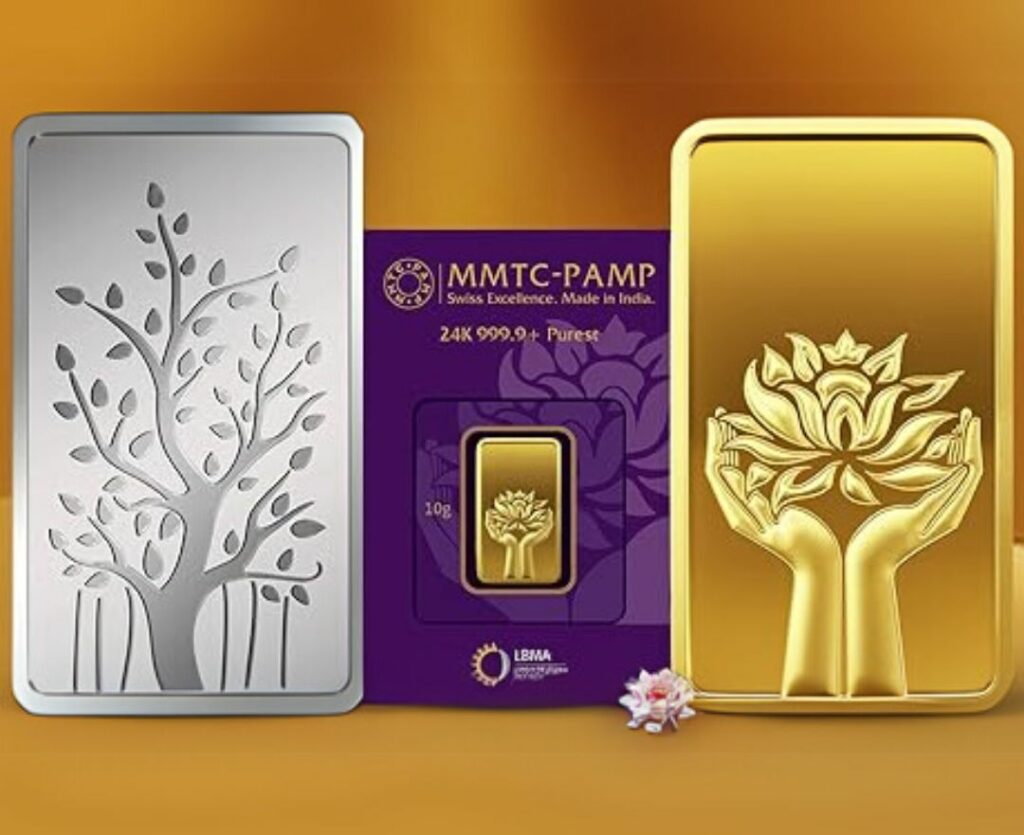






You are part of a big industry – the gold ecosystem in India is a key part of the economy. But, it faces issues with informal transactions and a lack of clear information.
New changes, like GST and the Gold Monetization Scheme, aim to make things clearer. These changes highlight the need for KYC (Know Your Customer) and e-invoicing. They help cut down on informal transactions in fine jewelry and luxury items.
By using these steps, you can help make the industry more open and responsible.
Key Takeaways
- Informal transactions plague the Indian gold ecosystem.
- KYC and e-invoicing are crucial for increasing transparency.
- Recent reforms aim to formalize the industry.
- Transparency is key to a healthy economy.
- E-invoicing helps track transactions, reducing informality.
- KYC ensures accountability in the luxury jewelry segment.
The Current State of India’s Jewelry Market
India’s jewelry market is a mix of old traditions and new ideas. It shows the country’s deep culture and its growing economy. The market offers everything from detailed handcrafted jewelry to trendy fashion jewelry and special custom jewelry.
Market Size and Growth Projections
The Indian jewelry market has grown a lot in recent years. This growth is thanks to more people wanting gold and diamond jewelry. With more people having money to spend, the market is expected to keep growing.
Experts say the market will grow steadily. This makes it a good choice for investors. Also, more people want custom jewelry that shows their unique style.
Cultural Significance of Jewelry in Indian Society
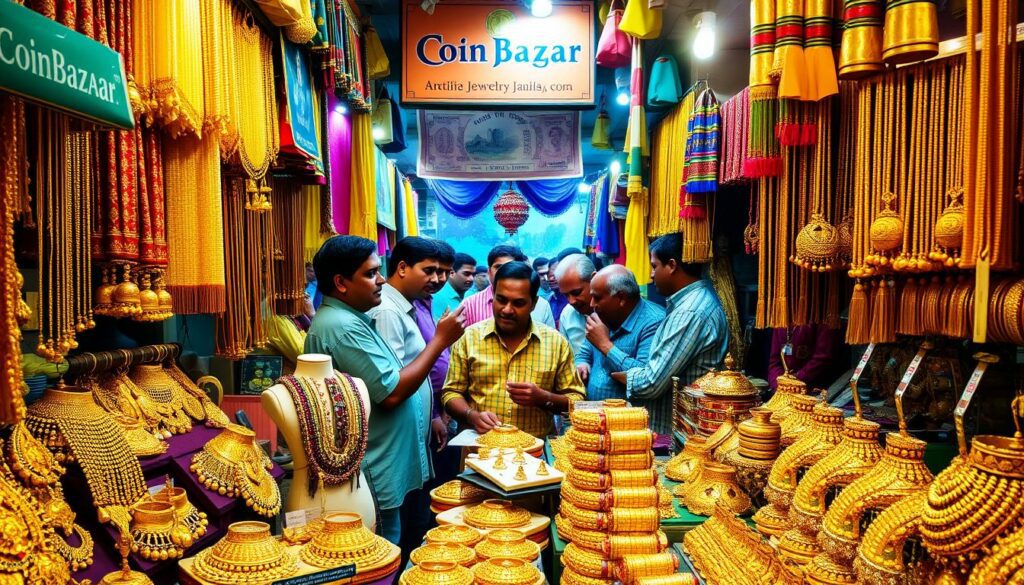
Jewelry is very important in Indian culture. It’s a big part of many celebrations, like weddings and festivals. Jewelry is seen as a sign of wealth and luck.
The emotional value of jewelry, especially handcrafted pieces, is huge. It’s something that families keep for generations.
Prevalence of Informal Transactions
Even though the market is growing, a lot of jewelry sales happen outside of official channels. These sales are often paid for in cash. This makes it hard for the government to collect taxes and ensure everything is fair.
There are efforts to make these sales official. Things like KYC and e-invoicing are being used. These steps aim to make the market more open and honest.
Understanding Informal Transactions in the Jewelry Sector
Luxury jewelry sales often involve cash, which affects the economy. Many high-value jewelry purchases are made in cash. This practice is common but challenges regulatory bodies to formalize the industry.
Cash-Based Purchases and Their Implications
Cash is often used in jewelry sales, especially for luxury items. These transactions are not recorded, making it hard for authorities to track them. This makes it tough for the government to ensure tax compliance.
Using cash in jewelry purchases can also hurt the industry’s trust and accountability. It can lead to distrust among consumers and businesses. Moreover, it can help with money laundering and other illegal activities, harming the economy.
Tax Evasion Concerns in Luxury Jewelry Sales
Luxury jewelry sales are at high risk for tax evasion. Without proper documentation, it’s hard for tax authorities to collect taxes. Tax evasion hurts the government’s revenue and creates unfair competition for law-abiding businesses.
Designer and artisan jewelry, being luxury items, are especially vulnerable to tax evasion. Their high value and uniqueness make them appealing for cash transactions, making tracking and taxing them even harder.
Impact on Government Revenue and Economy
Informal jewelry transactions hurt government revenue. When sales are not recorded or taxed, the government misses out on revenue. This lost revenue can impact the economy, reducing funds for public services and infrastructure.
Informal transactions in the jewelry sector also hinder effective regulation. They can cause market distortions and unfair competition, affecting the economy’s health.
Regulatory Framework for Jewelry Businesses in India
If you run a jewelry store in India, you know about the strict rules. The government has set up many policies to make the jewelry industry more open and follow the rules.
GST Implications for Jewelry Retailers
The Goods and Services Tax (GST) has changed the jewelry retail world a lot. GST has created a single tax system, replacing many indirect taxes. Now, jewelry shops must follow GST rules, like filing returns and keeping accurate records.
The GST rate for gold and precious metals is 3%. For gemstones and jewelry, it’s between 0.25% and 5%. This depends on the item’s type and value.
PMLA and Other Compliance Requirements
Jewelry shops in India must also follow the Prevention of Money Laundering Act (PMLA). They need to know their customers, report any odd transactions, and keep records of big cash deals. Following PMLA rules helps stop money laundering and funding terrorism.
Recent Policy Changes Affecting the Jewelry Industry
New policies have made the jewelry industry more formal. The government wants to fight black money and encourage digital payments. For example, using e-invoicing for big deals has made things clearer and cut down on tax cheating.
It’s key for jewelry businesses to keep up with these updates. This helps them stay in line and stay ahead in the market.
Know Your Customer (KYC): A Fundamental Approach
Understanding KYC norms is key in the luxury jewelry world. It’s not just a rule; it’s a way to keep your transactions safe and earn your customers’ trust.
Basic KYC Requirements for Jewelry Purchases
For jewelry buys, you must check who the customer is and where they live. You’ll need to see their ID and proof of address. This makes sure the deal is clear and fair.
It’s vital to use KYC for luxury jewelry to stop money laundering and other bad acts. You must make sure your customers are really who they say they are.
Enhanced Due Diligence for High-Value Transactions
For big deals on unique or artisan jewelry, you need to do more checks. This means looking deeper into the customer’s past and where their money comes from. Be very careful with deals that are really expensive.
Doing more due diligence helps lower the risks of big deals. It’s more than just basic KYC, adding an extra layer of safety for your business.
Documentation and Record-Keeping Best Practices
Keeping good records is key for following KYC rules. You should keep detailed notes on who your customers are, what they buy, and any extra checks you do. This helps you follow the rules, check for risks, and manage your business better.
| KYC Requirement | Description | Importance |
|---|---|---|
| Customer Identity Verification | Verifying customer ID and address | High |
| Transaction Monitoring | Monitoring transactions for suspicious activity | High |
| Record Keeping | Maintaining records of customer identities and transactions | High |
E-invoicing Revolution in the Jewelry Industry
E-invoicing is now a must for jewelry businesses. It makes transactions clear and follows the law. As a jewelry seller, you’ll see many benefits from this change.
How E-invoicing Works for Jewelry Businesses
E-invoicing means making invoices online and sending them to tax authorities right away. For jewelry shops, it tracks every sale, from handcrafted jewelry to fashion jewelry. You link your POS system to e-invoicing software, getting a unique invoice for each sale.
Using e-invoicing cuts down on tax evasion and keeps you in line with tax laws. It also reduces fake products. Plus, it keeps your records accurate, helping you manage your stock and sales better.
Integration with Existing POS Systems
E-invoicing works well with your current POS systems. Most e-invoicing tools match with many POS systems in the jewelry world. So, you can keep using what you have while meeting e-invoicing needs.
Here’s how to integrate:
- Pick an e-invoicing service that works with your POS.
- Set up the e-invoicing part in your POS software.
- Test it to make sure invoices and reports go through smoothly.
| POS System | E-invoicing Compatibility | Integration Time |
|---|---|---|
| System A | Yes | 1-3 days |
| System B | Yes | 3-5 days |
| System C | No | N/A |
Legal Requirements and Compliance Deadlines
The Indian government says e-invoicing is needed for big businesses. Jewelry shops need to know when and how to start. The rollout starts with the biggest businesses first.
To follow the rules, do this:
- Get an account on the e-invoicing portal.
- Connect your POS with e-invoicing software.
- Make e-invoices for all sales that need them.
By using e-invoicing, you follow the law and help make the jewelry industry better and more open.
Benefits of KYC Implementation for Jewelry Retailers
KYC implementation is key for jewelry businesses wanting to increase customer trust and lower risks. It helps you follow rules and gain many benefits that can grow your business.
Building Customer Trust and Loyalty
KYC practices make your relationship with customers clear and trustworthy. When customers see you verify identities and stop fraud, they trust you more. This trust makes them loyal, leading to more business and good word-of-mouth.
For example, someone buying designer jewelry will feel safer and more confident because of KYC.
Risk Mitigation and Fraud Prevention
KYC lets you check the risks in high-value deals, like with fine jewelry or custom jewelry. By knowing who your customers are and where their money comes from, you cut down fraud and money laundering risks. This keeps your business safe and helps make the jewelry market safer for everyone.
Improving Business Reputation and Credibility
Adopting KYC shows you’re serious about running a fair and honest business. This improves how customers, suppliers, and regulators see you. A good reputation means more customers trust you, better partnerships, and a strong market position.
For luxury jewelry sellers, this is especially important. Customers often choose brands they trust.
In short, KYC is great for jewelry retailers. It builds trust, lowers risks, and boosts your reputation. By using KYC, you make your business safer, more open, and more trustworthy. This benefits your customers and your profits.
Advantages of E-invoicing for Fine Jewelry Businesses
E-invoicing is a big win for fine jewelry businesses. It brings many benefits that change how they work. As the industry gets more open and efficient, e-invoicing is key for better money management.
Streamlined Accounting and Compliance
E-invoicing makes accounting easier for fine jewelry businesses. It automates invoices, cutting down on mistakes. It also helps follow rules, making luxury jewelry sales easier to manage.
With e-invoicing, tracking sales and taxes gets simpler. This means better money management and less work for businesses. They can then focus on selling unique jewelry pieces.
Enhanced Inventory Management
E-invoicing also helps with keeping track of inventory. It works with current systems to update stock and sales in real-time. This is especially good for artisan jewelry businesses with varied and complex stock.
Real-time inventory tracking helps businesses decide when to restock and what to sell. This leads to happier customers.
Data-Driven Business Insights and Decision Making
E-invoicing gives businesses valuable data. They can see sales patterns, what customers like, and how fast stock sells. This data helps make smart choices.
Using this data, businesses can work better, make more money, and stay ahead in the market. Experts say, “E-invoicing in jewelry is a big step towards being digital and open.”
“E-invoicing is not just about following rules; it’s about changing how businesses work. It makes them more efficient and helps them make better choices.”
By using e-invoicing, fine jewelry businesses can get these benefits. This leads to better work and staying competitive in the market.
The Transformation of Luxury Jewelry Transactions Through Digitalization
Digitalization is changing luxury jewelry transactions. Now, buying and selling high-value jewelry is more open and safe. Digital payments are at the forefront of this change.
Digital Payment Solutions for High-Value Purchases
Digital payments are changing how we buy and sell luxury jewelry. Online banking and mobile apps make transactions quicker and safer. You can now buy expensive items easily with secure digital payments.
Some benefits of digital payments include:
- Enhanced security features
- Faster transaction processing
- Improved record-keeping
Creating Transparent Supply Chains
Digitalization is making supply chains in luxury jewelry clear. You can now see where your jewelry comes from, from mining to retail. This ensures your purchase is real and ethically sourced.
| Supply Chain Stage | Traditional Method | Digitalized Method |
|---|---|---|
| Mining | Manual record-keeping | Digital tracking |
| Manufacturing | Paper-based documentation | Electronic data interchange |
| Retail | Manual inventory management | Digital inventory management |
Consumer Confidence in Authenticated Jewelry
Digitalization means you can trust your luxury jewelry. Digital certificates and blockchain technology prove your purchase is real and safe.
The luxury jewelry industry is becoming more open, safe, and reliable thanks to digitalization. You can now buy with confidence, knowing your jewelry is genuine and ethically made.
Challenges in Implementing KYC in Traditional Jewelry Stores
Adding KYC to old jewelry shops is hard. It faces issues like privacy worries and training staff. Customers might not want to share their info because they value their privacy.
Customer Resistance and Privacy Concerns
Customers might not want to give out their personal info. They might think it’s not safe. You need to tell them why KYC is important. It helps stop fraud and makes sure deals are real.
For example, when buying expensive handcrafted jewelry or custom jewelry, KYC checks their identity.
Training Staff for Effective KYC Procedures
Your team needs to know how to handle customer data and check identities. You should give them good training. This will teach them about KYC rules and keeping customer info secret.
This makes the KYC process smoother. It’s less annoying for customers buying fashion jewelry or other items.
Balancing Compliance with Customer Experience
It’s important to balance KYC rules with making customers happy. Try to make the KYC process quick and make customers feel important. This way, you keep customers happy while following the rules.
“The key to successful KYC implementation lies in educating customers and staff about its benefits and necessity.”
Understanding the problems and using smart solutions can help you deal with KYC in traditional jewelry stores.
Overcoming Barriers to E-invoicing Adoption
Small jewelry businesses face big challenges when starting e-invoicing. These include technology and cost issues. But, knowing what you need and planning well can make the switch easier.
Technology Infrastructure Requirements
You’ll need a good internet connection and a system that can handle e-invoices. This might mean updating your current setup or getting new software. Making sure your systems work together is key.
Cost Considerations for Small Jewelry Businesses
Starting e-invoicing costs money. You’ll need to pay for software, maybe new hardware, and training. But, these costs can pay off in the long run. You’ll save on paperwork, meet rules better, and get valuable insights.
| Cost Component | Initial Cost | Ongoing Cost |
|---|---|---|
| Software/Service | $500 | $50/month |
| Hardware Upgrades | $200 | $0 |
| Training | $300 | $0 |
Step-by-Step Implementation Guide
To start e-invoicing right, do this:
1. Check your tech setup and see if you need to update.
2. Pick an e-invoicing tool that fits with what you already use.
3. Teach your team how to use the new system.
4. Test it with a few customers or transactions.
5. Then, use it for all the right transactions.
Knowing what tech and costs you need, and having a clear plan, helps small jewelry businesses use e-invoicing. It makes following rules easier and makes managing money better.
The Impact of Formalization on Custom and Artisan Jewelry
Formalization is changing the game for custom and artisan jewelers. It brings both challenges and chances. As the jewelry world grows, the need for clear rules is making businesses change how they work.
Supporting Local Craftsmen Through Transparent Practices
Formalization helps artisan jewelers get more respect and trust. By being open about their work, like showing clear invoices and following rules, they stand out. This attracts people who want real and legal products.
For example, a local artist using e-invoicing can show customers exactly what they’re paying for. This builds trust and might even lead to more sales.
Creating Competitive Advantage Through Compliance
Following rules can make custom and artisan jewelers more competitive. By going formal, they can reach more customers who care about legal and clear practices.
“The future of artisan jewelry lies in its ability to blend tradition with modern compliance, creating a unique selling proposition that resonates with today’s consumers.”
Preserving Traditional Craftsmanship in a Regulated Environment
Formalization also helps keep traditional skills alive. By mixing old techniques with new rules, jewelers can keep their craft going strong.
| Benefits of Formalization | Impact on Custom and Artisan Jewelry |
|---|---|
| Increased Transparency | Enhanced customer trust and loyalty |
| Regulatory Compliance | Access to new markets and customer segments |
| Preservation of Craftsmanship | Longevity of traditional techniques in a modern context |
By going formal, custom and artisan jewelers can meet rules and still do well. They keep their craft’s heart while looking to the future.
Case Studies: Successful KYC and E-invoicing Implementation
Many top jewelry companies have added KYC and e-invoicing to their work. This change has helped them follow rules better and work more smoothly. It has also made customers trust them more.
Large Jewelry Retail Chains
Big names like Tanishq and Kalyan Jewelers have led the way in using KYC and e-invoicing. Tanishq, for example, checks all big purchases with KYC. This has cut down fraud and made customers more confident in their buys. E-invoicing has also made their bookkeeping easier, helping them follow GST rules.
Boutique Designer Jewelry Stores
Small, fancy jewelry shops have also seen the benefits of KYC and e-invoicing. They use these methods to prove their products are real and their supply chains are clear. This makes their brand more valuable and attracts customers who want genuine luxury.
Key Lessons and Best Practices
The success of KYC and e-invoicing in jewelry shows a few important points. Starting early helps avoid trouble with rules. Adding these to current systems boosts work efficiency. Also, being open and true is key for winning customer trust.
Conclusion
The jewelry industry is changing fast. Know Your Customer (KYC) and e-invoicing are key to cutting down on secret deals. Whether you’re buying fine, handcrafted, or custom jewelry, these steps make sure your deal is clear and safe.
Luxury and designer jewelry shops really benefit from these rules. They help avoid big risks with expensive items. Artisan and unique jewelry sellers also see more trust and credibility from their customers.
Using e-invoicing makes things easier for fashion jewelry stores. It helps with keeping track of stock and understanding business better. As the industry gets more formal, using KYC and e-invoicing is vital for a healthy and open jewelry market.