




Have you ever thought about how silver thalis and EV buses are connected? It’s all about the cultural and industrial changes in India.
Silver thalis are key in Indian ceremonies, showing silver’s cultural value. At the same time, EV buses mark a big move towards green transport.
Looking at tradition and modernity together, you see how they influence demand. The love for silverware and the need for green transport are changing the future.
Key Takeaways
- Cultural significance of silver thalis in Indian traditions
- Rise of EV buses as a sustainable transportation solution
- Connection between traditional practices and modern industrial shifts
- Growing demand for eco-friendly transportation
- Impact of cultural heritage on industrial demand drivers
The Cultural Significance of Silver Thalis in Indian Tradition
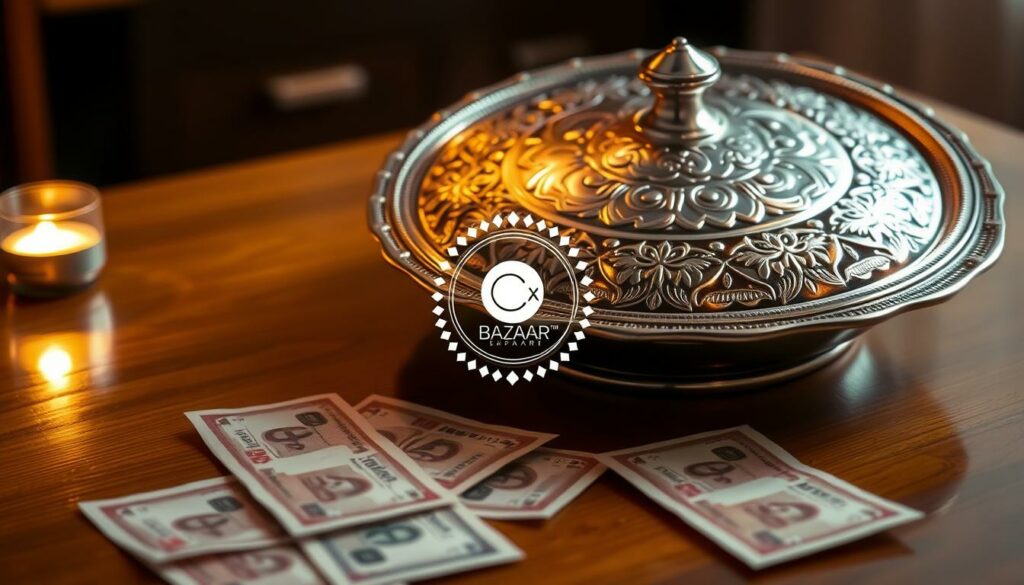
Silver thalis have been a part of Indian homes for a long time. They show the country’s rich cultural background. You might have seen silver thalis used during special events and festivals. This shows how important they are in Indian customs.
Historical Origins of the Silver Thali
The silver thali’s history goes back to ancient times. Back then, silver was seen as a sign of wealth and luck. Only for special events were silver utensils, like thalis, used. They were a sign of welcome to guests.
Regional Variations Across Indian States
India is full of different traditions. The way silver thalis are made and used changes a lot from state to state.
North Indian Thali Designs
North Indian thalis are known for their detailed designs. These designs show the region’s rich culture. They are used in traditional ceremonies and seen as symbols of wealth.
South Indian Silver Traditions
South Indian silver traditions stand out for their unique designs and skill. Silver thalis from this area are often decorated with detailed patterns. They are used for special events.
Symbolic Meaning in Indian Households
In Indian homes, silver thalis mean more than just for eating. They are used to serve guests during important times. This shows respect and kindness. People also believe that using silver thalis brings luck and wealth.
- Silver thalis symbolize wealth and prosperity.
- They are used to serve guests during special occasions.
- The use of silver thalis is believed to bring good luck.
The cultural value of silver thalis is deep. It shows the history and diversity of Indian tradition.
Silver Craftsmanship: An Enduring Indian Art Form
Silver craftsmanship is a big part of India’s culture. It shows the country’s rich history and skill in art. For ages, Indian silversmiths have honed their craft. They make detailed pieces that are both useful and stunning.
Traditional Silversmithing Techniques
In India, traditional silversmithing uses many techniques passed down through generations. Artisans use filigree, engraving, and embossing to make detailed designs on silver items.
These methods need a lot of precision and focus. This results in pieces that are not just beautiful but also show the artisan’s skill.
Famous Silver Crafting Centers in India
India has many famous places for silver crafting. Each place has its own style and focus.
Rajasthan’s Silver Legacy
Rajasthan is famous for its beautiful silver work, like filigree. The artisans here are experts at making detailed silver items with precious stones.
Kerala’s Unique Silver Artistry
Kerala’s silver work is known for its traditional designs and motifs. The artisans here are skilled in making temple jewelry. This is a big part of Kerala’s cultural traditions.
| Region | Specialization | Notable Techniques |
|---|---|---|
| Rajasthan | Filigree work, precious stone adornments | Filigree, engraving |
| Kerala | Temple jewelry, traditional motifs | Embossing, engraving |
Generational Knowledge Transfer in Silver Crafting
The art of silver crafting in India keeps going because of knowledge passed down through generations. Skilled artisans teach their skills to apprentices. This keeps the traditional craft alive.

Exploring Indian silver craftsmanship, you’ll see the detailed beauty of these pieces. They are truly special.
The Silver Economy: Market Dynamics and Consumer Trends
India’s silver market is booming, thanks to old traditions and new investment interests. You’ll see silver valued not just as a cultural item but also as a smart investment.
Silver Demand Patterns in Indian Households
In Indian homes, silver demand is shaped by culture and money matters. Festive seasons boost demand for silver ornaments and utensils, tied to old customs.
Investment Value of Silver Utensils
Silver utensils are more than cultural symbols; they’re also investment value. Many see silver as a way to protect against inflation, like gold.
Export Opportunity of Indian Silver Products
Indian silver goods have a big export chance, thanks to their skill and cultural charm. The world wants more handmade silver, opening doors for Indian makers and sellers.
As the silver market grows, knowing these trends is key for everyone involved. The mix of old customs and new market trends will guide India’s silver future.
Culinary Traditions and the Role of Silver Thalis
Silver thalis are more than just utensils. They symbolize India’s rich culinary traditions and festive celebrations. You might have seen how these beautifully crafted thalis add elegance to special occasions.
Festive Occasions and Silver Dining Customs
In many Indian homes, silver thalis are saved for big events like Diwali and weddings. They are believed to bring good luck and prosperity. Adding these traditional customs to your festive celebrations can make them even more special.
Health Benefits Associated with Silver Utensils
Using silver utensils has health perks too. Silver fights off infections with its antimicrobial properties. It’s also thought to improve digestion when serving food on silver thalis.
Modern Adaptations of Traditional Dining Practices
Modern times have brought new twists to old traditions. Many homes now mix traditional silver thalis with modern dining styles. You can find silver thalis in various designs that appeal to both old and new tastes.
| Occasion | Traditional Practice | Modern Adaptation |
|---|---|---|
| Festive Celebrations | Using silver thalis for serving | Incorporating silver thalis with modern table settings |
| Daily Meals | Reserved for special occasions | Using silver thalis for daily meals as a statement piece |
From Tradition to Innovation: India’s Silver Thali to EV Buses
India’s move from traditional silver thalis to modern EV buses shows a big change. It’s a mix of old traditions and new tech. This mix is changing how we see India.
Bridging Cultural Heritage and Technological Advancement
India’s old traditions and new tech are coming together. For example, the making of silver thalis is kept alive. At the same time, India is moving forward with EV buses. This mix is about keeping the past alive and looking to the future.
Changing Consumer Preferences Across Generations
What people want in India is changing with each new generation. Young people like EV buses, while older folks stick to silver thalis. This change is shaping the market and pushing for new ideas.
The Dual Economy of Traditional Crafts and Modern Industry
India’s economy has both old crafts and new industries. Silver thalis are in demand for their cultural value. EV buses, on the other hand, show India’s move towards green transport. This mix brings both challenges and chances for growth.
| Aspect | Traditional Crafts | Modern Industry |
|---|---|---|
| Examples | Silver Thalis, Handicrafts | EV Buses, Technology |
| Consumer Preferences | Cultural Significance, Aesthetics | Innovation, Sustainability |
| Economic Impact | Preserves Traditional Skills, Generates Local Employment | Drives Modernization, Creates New Job Opportunities |
You’re part of a journey that blends old and new. It’s creating a special path for India’s future.
India’s Transportation Evolution: From Bullock Carts to Electric Mobility
India’s transportation has changed a lot. It went from bullock carts to electric vehicles. This change has made moving people and goods easier.
The journey of india transportation is interesting. Let’s dive into its history.
Historical Transportation Methods in India
India used to rely on historical transportation methods like bullock carts and bicycles. These old ways were good for the environment and helped local businesses.
- Bullock carts carried goods and people short distances.
- Cycling was a common way to get around.
The Rise of Motorized Transport
The arrival of motorized transport changed India’s transportation scene. Buses, trucks, and two-wheelers became more common. They changed how we move around.
This change was due to:
- Rapid urbanization
- Economic growth
- Government investments in roads
The Shift Toward Sustainable Transportation Solutions
Now, there’s a focus on sustainable transportation. Electric vehicles (EVs) are seen as a better choice than old cars.
EVs offer many benefits:
- They cut down on carbon emissions.
- They cost less to run.
- They make the air cleaner.
The Electric Vehicle Revolution in India
Government policies and new technologies are making electric vehicles popular in India. This change is helping the country use less fossil fuel and clean up the air. Electric vehicles are becoming a key part of India’s green future.
Government Policies Driving EV Adoption
The Indian government has set up several plans to boost electric vehicle use. Two main efforts are:
FAME India Scheme
The Faster Adoption and Manufacturing of Hybrid and Electric Vehicles (FAME) India scheme offers help for buying electric cars. It gives subsidies and tax breaks. This has helped many people choose electric vehicles.
State-Level EV Initiatives
States like Delhi, Maharashtra, and Karnataka have their own EV plans. They offer lower road tax and registration fees for electric cars. These local plans help the national government’s efforts, making it easier for people to go electric.
Key Players in India’s EV Market
Many companies, both from India and abroad, are investing in electric vehicles. Companies like Reliance Industries are putting a lot into EV tech. Global brands are also coming to India through partnerships and subsidiaries.
| Company | Investment Area | Significance |
|---|---|---|
| Reliance Industries | EV Technology | Significant investment in EV infrastructure and technology |
| Tata Motors | Electric Cars | Leading manufacturer of electric vehicles in India |
| Ather Energy | Electric Two-Wheelers | Innovative designs and technology in electric two-wheelers |
Challenges and Opportunities in the EV Ecosystem
Despite progress, India’s EV world faces hurdles like a lack of charging spots, high costs, and low awareness. Yet, these problems also offer chances for new ideas and growth.
Looking ahead, support from the government, tech progress, and investments from big players will be key. They will help push the electric vehicle movement forward in India.
EV Buses: Transforming Public Transportation in Indian Cities
Indian cities are leading a big change in how we travel. Electric buses are at the heart of this change. They offer a cleaner way to move people around cities.
Current State of EV Bus Implementation
More and more cities in India are starting to use electric buses. This is because of government support, cheaper batteries, and a need to protect the environment.
Success Stories from Major Metropolitan Areas
Many big cities in India are seeing the good things about electric buses.
Delhi’s Electric Bus Fleet
Delhi is a leader in using electric buses. They’re adding many EVs to their buses. This is part of a plan to clean the air and cut down on pollution.
Bangalore’s Green Transportation Initiative
Bangalore is also moving towards cleaner transport. They’ve started using electric buses. This is part of a bigger plan to make the city’s transport greener.
Technological Features of Modern Electric Buses
Today’s electric buses have cool tech that makes them better. Some key features are:
- Advanced Battery Management Systems: These systems help batteries last longer and work better.
- Regenerative Braking: This tech turns the bus’s movement into electricity, making it more efficient.
- Smart Charging Solutions: These systems charge buses when it’s not busy, so it doesn’t use too much power.
The table below shows how electric buses can save money and help the planet.
| Category | Traditional Buses | Electric Buses |
|---|---|---|
| Fuel/Energy Costs | High | Low |
| Maintenance Costs | High | Low |
| Emissions | High | Zero Tailpipe Emissions |
A leading expert says, “Electric buses are the future of city travel. Indian cities are ready to lead with their plans for more EV buses.”
“The future of urban transportation is electric, and Indian cities are poised to lead this change with their ambitious EV bus adoption plans.”
Environmental Impact of Electric Bus Adoption
Electric bus adoption has a big impact on cities. It helps reduce harmful pollutants in urban areas. As cities switch to electric buses, they see a big drop in pollution.
Reduction in Carbon Emissions and Air Pollution
Electric buses don’t emit tailpipe pollution. This cuts down carbon emissions and air pollution in cities. Studies show electric buses can greatly reduce greenhouse gas emissions. This makes the air cleaner for everyone.
Noise Pollution Benefits in Urban Centers
Electric buses are much quieter than diesel buses. This makes cities more livable. Too much noise can harm people’s health and happiness.
Overall Ecological Footprint Comparison
Electric buses have a smaller ecological footprint than traditional buses. They have less environmental impact from start to finish. This is true, even more so as the energy to charge them gets greener.
“Switching to electric buses is key for a greener city future,” says experts. They urge more investment in electric vehicle systems.
Economic Benefits of EV Bus Integration
The move to electric vehicle (EV) buses in India’s public transport is key for the environment and the economy. EV buses bring big economic gains that can change how cities work.
Cost Analysis: Traditional vs. Electric Buses
EV buses beat traditional diesel buses in cost savings. Lower operating costs are a big plus, as electricity is cheaper than diesel. Plus, EV buses need less upkeep, cutting down on expenses.
Job Creation in the EV Manufacturing Sector
The growth of EV buses will also create more jobs. As electric vehicle demand rises, so does the need for skilled workers in assembly and maintenance.
Long-term Economic Sustainability
Investing in EV buses helps cities stay economically stable over time. It cuts down on fossil fuel use and emissions. This helps cities avoid the economic costs of climate change and air pollution.
As India keeps adopting EV buses, the economic benefits will grow. This will attract more investment and spur growth in the sector.
Infrastructure Development for Electric Mobility
India is moving fast towards electric cars. This means we need better infrastructure. You’re part of making our transport system greener.
Charging Station Networks Across India
More charging stations are key for electric cars to become common. Putting stations on highways and in cities helps people feel more confident about using EVs. Soon, you’ll find charging spots in easy places.
Power Grid Adaptations for EV Support
Electric cars need more power to charge. So, the power grid needs to get stronger to handle this. This upgrade will make sure you get the power you need without issues.
Smart City Initiatives and Electric Transportation
Smart cities are planning for electric cars in their designs. They’re adding EV lanes and smart charging systems. This makes electric cars more appealing and efficient. You’ll see cities that are better for the environment.
India’s focus on infrastructure will help electric cars a lot. It’s making our transport system cleaner and greener for you.
Cultural Adaptation to Technological Change
India is seeing a big change with the rise of EVs. This change is not just about new cars. It’s about living in a way that’s good for the planet.
Traditional Values in Modern Contexts
EVs are changing how we live, making our daily routines greener. This mix of old and new values is creating something special. It honors our past while looking forward to the future.
Community Engagement in Sustainable Practices
Community engagement is key in adopting EVs. Local efforts and programs are getting people involved in green living. You’re part of a big effort to care for our environment through electric cars.
Balancing Heritage Preservation with Progress
India faces a big challenge: keeping its culture alive while moving forward. As we shift to cleaner transport, we must protect our heritage. You can help by supporting projects that mix old traditions with new tech.
By embracing this change, India is set to make big steps towards a greener, tech-savvy future.
The Global Context: India’s Position in the EV Revolution
To understand India’s role in the global EV revolution, we must look at international standards and the country’s special approach. As the world moves towards green transport, India is becoming a major player in the electric vehicle market.
International Comparisons and Benchmarks
India’s EV growth is shaped by global trends but also by its own path. The country’s EV market is young but growing fast. The government aims to boost EV use with ambitious goals.
“The Indian EV market is expected to grow significantly in the coming years, driven by government policies and declining battery costs.”
India’s Unique Approach to Sustainable Transportation
India focuses on making EVs affordable for all. Its EV policy aims to encourage the use of electric vehicles in various categories. This includes two-wheelers, three-wheelers, and buses.
| Country | EV Adoption Rate | Government Incentives |
|---|---|---|
| India | 5% | Tax exemptions, subsidies |
| Norway | 80% | Tax exemptions, free parking |
| China | 20% | Subsidies, investment in charging infrastructure |
Export Opportunity for Indian EV Technology
India’s EV technology has big export chances, mainly in developing countries. These places need affordable transport solutions. Indian companies are starting to sell their EVs globally.
Key opportunities for Indian EV technology exports include:
- Southeast Asia
- Africa
- Latin America
Future Prospects: Innovations on the Horizon
India’s electric vehicle market is set for a big change. It’s all about being green. New trends will shape the future of electric cars in the country.
Emerging Technologies in Electric Transportation
The electric car world is getting better fast. Emerging technologies like solid-state batteries and smart battery systems are coming. They will make electric cars go further and work better.
Integration of Renewable Energy Sources
Using renewable energy sources is key for EVs to be really green. India is growing its solar and wind power. This means more green energy for electric cars.
Potential for Autonomous Electric Buses
India might see autonomous electric buses soon. They mix electric cars with self-driving tech. This could make public transport safer and more efficient.
“The future of transportation is electric, autonomous, and connected. It’s a future that is not only more sustainable but also more efficient and safe.”
These new ideas will be big for electric cars in India. They’ll help the country reach its green goals for transport.
Conclusion: Harmonizing Tradition and Innovation in India’s Development Journey
India’s journey shows a mix of old traditions and new tech. The country’s deep culture, seen in silver crafts and traditional meals, meets with modern tech like electric cars.
The tale of India’s silver thalis and EV buses might seem different at first. But they show two sides of India’s growth. Silver thalis highlight the culture, while EV buses show a push for green living.
India is finding a special way to grow by mixing old and new. It’s seen in how traditional crafts meet today’s needs and how new tech helps the environment.
Looking ahead, India will likely find more ways to mix old and new. Its success depends on keeping its cultural roots while adapting to new challenges.