





You might know that India’s silver imports are on the rise. This is because of stronger investment and industrial demand. The recent restrictions on silver imports are expected to have a big impact on the market.
The silver import restriction is a key development. It will affect not just the price but also smuggling and domestic demand. As you dive deeper into this topic, you’ll learn more about silver’s importance in India and how these restrictions are changing the industry.
It’s important to understand the effects of these restrictions for those in the silver market. You’ll see how the restrictions are changing domestic demand and the overall silver market in India.
Key Takeaways
- The silver import restriction is expected to impact the price of silver in India.
- Smuggling is likely to be affected due to the restrictions on silver imports.
- Domestic demand for silver is anticipated to change in response to the import restrictions.
- The restrictions will have significant implications for stakeholders in the silver market.
- The impact of the restrictions will be felt till March 2026.
The Cultural and Economic Significance of Silver in India
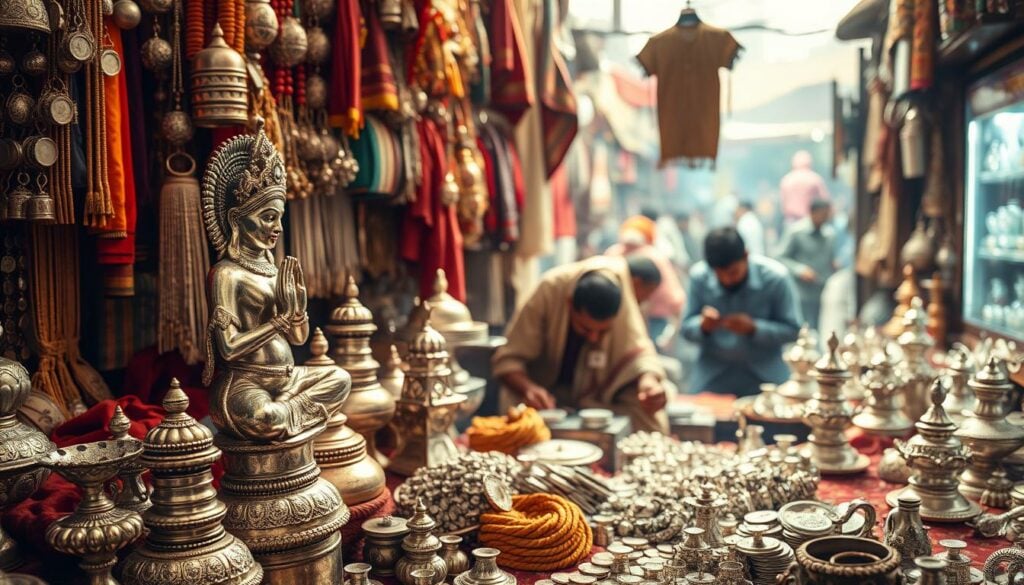
Silver has been a key part of Indian culture and economy for centuries. It has shaped the country’s traditions and financial scene. In India, silver is more than just a precious metal; it’s deeply valued in culture and religion.
Silver’s Historical Importance in Indian Traditions
Silver has always been important in Indian traditions. It’s used in making jewelry, ornaments, and decorative items for ceremonies and rituals. Indian silver jewelry is famous for its detailed designs and skill, passed down through generations. Silver in traditional attire and accessories means wealth, prosperity, and good luck.
In many Indian homes, silver items are seen as lucky and are given as gifts during special times like weddings and festivals. Giving silver ornaments is a big part of Indian culture. It shows love, respect, and wishes for the future.
The Modern Economic Value of Silver in India
In today’s world, silver is also very valuable in India. Its demand comes from traditional Indian silverware and jewelry, as well as its investment appeal. India is a big consumer of silver, with most of it used in jewelry and silverware.
| Sector | Silver Demand | Percentage |
|---|---|---|
| Jewelry | High | 60% |
| Silverware | Moderate | 20% |
| Investments | Growing | 20% |
Silver’s economic importance in India is also seen in its role in trade and commerce. As a valuable item, silver is traded a lot in Indian markets. This affects the country’s economy and financial markets.
Understanding India’s Silver Import Restrictions
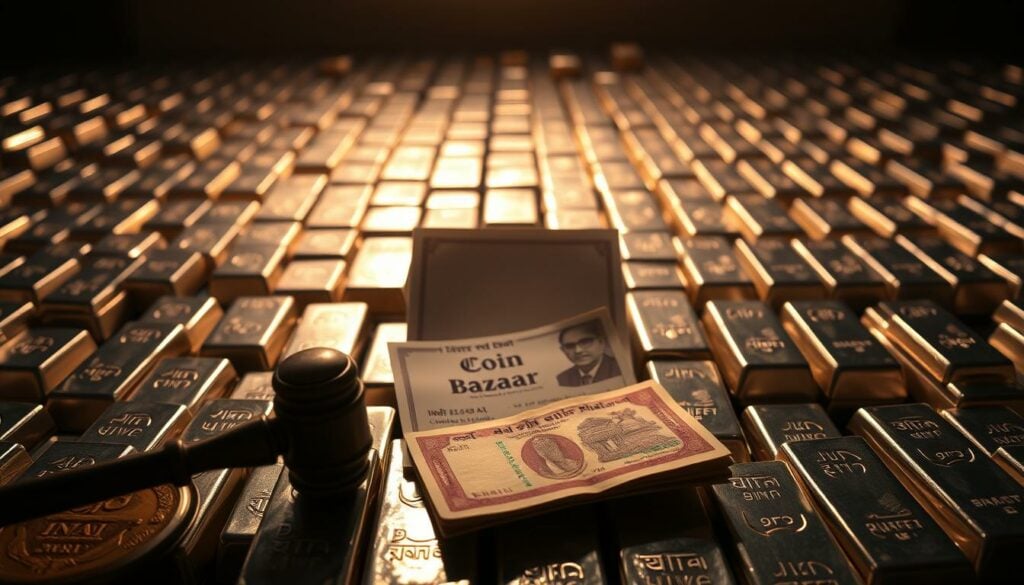
India has put limits on silver imports until March 2026. This is to control money going out of the country and to help local silver production. The goal is to make the economy stronger and more self-sufficient in precious metals.
Key Policy Details and Timeline Through 2026
The government has set a timeline for these restrictions until March 2026. They will watch how these rules affect the market and adjust them if needed.
Key aspects of the policy include:
- Reduced quotas for silver imports
- Increased tariffs on silver imports
- Incentives for domestic silver production
The Finance Minister said, “The restrictions on silver imports are a key step to reduce our reliance on foreign markets and support local industry.” This shows the government’s dedication to local businesses and cutting the trade deficit.
Government Objectives Behind the Restrictions
The main goal is to save foreign exchange and boost local production. By limiting silver imports, the government wants to ease the pressure on foreign exchange reserves.
Experts say, “The restrictions will likely raise domestic silver prices. This makes it more profitable for local producers to mine and refine silver.” This change could positively affect the economy as local businesses grow with the demand for silver.
The government’s goals are:
| Objective | Description |
|---|---|
| Conserve Foreign Exchange | Reduce the outflow of foreign currency due to silver imports |
| Promote Domestic Production | Encourage local businesses to produce silver, boosting the domestic economy |
Pre-Restriction Landscape of India’s Silver Market
The silver market in India has always been shaped by its trade with other countries. Knowing this helps us see how new import rules will change things.
Historical Import Volumes and Patterns
India has been a big buyer of silver, with its needs changing over time. Things like global silver prices and the economy have played a big role. When the economy grows, more people want silver jewelry, leading to more imports.
Major International Sources and Trade Relationships
India gets most of its silver from places like the United Arab Emirates, Britain, and China. These relationships are key to meeting India’s silver needs. The UAE, for example, is a big supplier because of its role in the global market. Britain and China also send a lot of silver to India, based on global trends and trade deals.
It’s important to understand these relationships to see how new import rules will affect India and its trading partners.
Immediate Price Impact on Domestic and Global Markets
India’s new rules on silver imports have caused a big jump in silver prices at home. Local silver futures have hit a new high. Prices have gone up by nearly 49% this year.
Domestic Silver Price Fluctuations
The ban on silver imports has made silver more expensive at home. This has led to a big increase in the cost of silver. It’s affecting many industries that use this valuable metal.
The current market situation can be summarized in the following table:
| Category | Pre-Restriction Price | Post-Restriction Price | Percentage Change |
|---|---|---|---|
| Silver Futures | ₹60,000 per kg | ₹75,000 per kg | +25% |
| Silver Coins | ₹800 per 10 grams | ₹950 per 10 grams | +18.75% |
| Jewelry | ₹5,000 per piece | ₹6,000 per piece | +20% |
International Market Reactions
The world is watching India’s silver import rules closely. They affect silver prices globally. India’s big demand for silver is causing waves in international markets.
Key international market reactions include:
- Global silver prices are going up.
- Big silver producers are thinking about their exports differently.
- Investors are looking at other precious metals.
It’s important to keep an eye on both home and global markets. This will help us understand the full effect of India’s silver import rules.
Long-term Silver Price Projections Until 2026
India’s silver import restrictions until 2026 make long-term silver price projections key for investors. The silver market is shaped by many things. These include global economic trends, industrial demand, and how people invest.
Expert Forecasts and Market Analysis
Experts say silver prices will be up and down due to many factors. Market analysis shows that demand for silver in solar energy will push prices up. Also, silver’s safe-haven status during tough times will keep affecting its price.
Key factors influencing silver price projections include:
- Global economic conditions and geopolitical tensions
- Industrial demand, specially in renewable energy
- Investment demand and trends in precious metal markets
Factors That May Cause Price Volatility
Several things could make silver prices swing until 2026. These include changes in currency values, government policies on precious metals, and shifts in supply and demand.
| Factor | Impact on Silver Price |
|---|---|
| Currency Fluctuations | Affects purchasing power and demand |
| Government Policies | Import restrictions and taxation policies |
| Supply and Demand | Industrial demand and mining output |
When thinking about investing in or trading silver, knowing these factors is vital. They can greatly affect the market.
The Growing Challenge of Silver Smuggling
India’s silver import rules are getting stricter, leading to a rise in silver smuggling. These rules aim to control silver coming into the country. But, they’ve also made the black market for silver grow, with smugglers finding ways to get around the law.
Emerging Smuggling Routes and Methods
Smugglers are getting smarter, using new routes and methods to sneak silver into India. Some new ways include:
- Using nearby countries as transit points
- Targeting weak spots in port and airport security
- Developing clever ways to hide silver
These tactics make it hard for authorities to stop silver smuggling.
Economic Consequences of Illegal Silver Trade
The effects of silver smuggling on the economy are far-reaching. Firstly, it means the government loses out on taxes and duties. Secondly, it messes with the market, giving smugglers an unfair edge over honest businesses. This can lower the quality of silver products and hurt consumer trust.
The impact goes beyond just the silver market. It can hurt other industries and jobs too.
Enforcement Challenges and Government Response
The government is facing big hurdles in stopping silver smuggling. To tackle these issues, they are:
- Boosting watch at ports and borders
- Working better with other countries to track smuggling
- Setting harsher penalties for those caught smuggling silver
These steps should help cut down on silver smuggling. But, the battle between smugglers and authorities will likely keep going.
How Restrictions Are Reshaping India’s Silver Jewelry Industry
The government’s import restrictions are changing India’s silver jewelry industry. This affects both traditional artisans and manufacturers. You will see big changes in how silver jewelry is made and sold soon.
Challenges Faced by Traditional Artisans and Manufacturers
The new rules have brought big challenges for traditional artisans and manufacturers in India. One main problem is finding raw materials.
Raw Material Sourcing Issues
With import restrictions, finding quality silver is hard for artisans. This has led to a fight for what little silver there is. Prices for raw materials have gone up.
Production Cost Increases
With higher costs for raw materials, making silver jewelry costs more. This might make products pricier for buyers.
Adaptation Strategies by Jewelry Businesses
Jewelry businesses are finding ways to stay ahead. Some look for new silver sources. Others focus on making their work better to charge more.
For example, some businesses are:
- Using new tech to work better
- Creating more products with other precious metals
- Creating designs that more people will like
The table below shows the main problems and how businesses are solving them:
| Challenges | Adaptation Strategies |
|---|---|
| Raw material sourcing issues | Exploring alternative sources |
| Production cost increases | Improving craftsmanship, diversifying products |
As the industry keeps changing, new ideas will come up. This could make the Indian silver jewelry market stronger and more competitive.
Transformation of Traditional Indian Silverware Production
Have you noticed how silver import rules are changing the traditional Indian silverware world? This industry, famous for its detailed designs and expert craftsmanship, is going through big changes. It’s not just about following new rules but also about changing the core of this old craft.
Impact on Craftsmanship and Design Techniques
The silver shortage has made artisans think differently about their work. They’re reworking traditional designs to use less silver but keep the beauty. They’re also finding new ways to make pieces that are both stunning and budget-friendly. This change is not just about dealing with silver scarcity but also a chance for new ideas in traditional crafts.
Changes in Consumer Access and Pricing
The rules have made traditional Indian silverware pricier, making it harder for people to buy. As a result, buyers are looking for cheaper options or can’t afford it. Now, makers are making pieces that look great but are also easy on the wallet. This shift in what buyers want is pushing the industry towards making things that are both beautiful and affordable.
Shifting Patterns in Domestic Silver Demand
The silver market in India is changing due to import restrictions. This has led to big changes in how people buy silver. These changes are driven by new ways of buying and old trends.
Changes in Consumer Purchasing Behavior
How people buy silver in India is evolving. With prices going up and import issues, buyers are being careful. They want affordable, quality silver items.
They’re also watching the economy and seeing silver as a good investment. Now, they prefer smaller, affordable silver items over big, pricey ones. This is because they want something they can sell easily and invest in something real.
Festival and Wedding Season Demand Trends
Festivals and weddings are key times for the silver market in India. But, the demand is changing. People now want silver jewelry with fancy designs for its beauty and cultural value.
| Festival/Wedding Season | Traditional Demand | Current Demand Trend |
|---|---|---|
| Diwali | High demand for silver coins and bars | Increasing demand for silver jewelry with fancy designs |
| Weddings | High demand for heavy silver ornaments | Growing preference for lighter, designer silver jewelry |
| Navratri | Moderate demand for silver idols and decorative items | Rising demand for silver decorative items with modern designs |
These changes show a more complex and changing demand in the silver market. As buyers adjust to new rules, their choices and how they buy silver will keep changing. This will shape the demand for silver in India.
Silver Ornaments from India: Export Challenges and Opportunities
India’s silver ornament industry is facing big changes. The country’s new rules on silver imports bring both challenges and chances. You’ll see how Indian silver ornaments are viewed and sold worldwide change a lot.
Exporters are finding it tough because of the new rules. They used to get silver from abroad. Now, with less silver coming in, making ornaments costs more. This makes it hard for them to keep prices low for buyers around the world.
Impact on International Market Competitiveness
Indian silver ornaments are now up against tough competition. Exporters are finding it hard to keep their share of the market. The cost of silver is up, making it hard to compete.
But, Indian exporters are not giving up. They’re looking for new silver sources, making their ornaments more special, or targeting markets that love Indian designs.
New Export Strategies Emerging from Restrictions
New ways to sell Indian silver ornaments are being tried. Expect to see more focus on:
- Finding silver within India to cut down on imports.
- Showing off the unique designs and skill in making ornaments.
- Going after markets that really value Indian silverwork’s cultural and artistic side.
These new plans help Indian silver ornaments stay competitive. They also open up new chances for growth and exploring different markets.
Regional Impact Across India’s Silver Craftsmanship Centers
Across India, silver craftsmanship centers are feeling the effects of new import rules. Traditional production areas are adjusting, with some facing big challenges and others finding new chances.
Effects on Major Silver Production Hubs
The major silver production hubs in India are being hit in different ways by the new rules.
Rajasthan and Gujarat Silverwork
Rajasthan and Gujarat, famous for their detailed silverwork, are changing how they make things. Artisans there are using new materials and methods to keep their traditional crafts alive.
South Indian Silver Traditions
South India, like Tamil Nadu and Kerala, is known for its special silver ornaments. The new rules have led to more use of local silver, helping to keep traditional designs alive.
Urban vs. Rural Silversmith Communities
Urban and rural silversmith communities are feeling the impact differently. Cities, with easier access to info and markets, are adapting faster. But rural areas struggle due to less access to resources and info, making it harder for them to adjust.
As someone involved in the silver craftsmanship world, you’ll see big changes in how things are made and sold. Embracing these changes could lead to new designs and markets, helping keep India’s silver craftsmanship alive.
Silver Investment Market Under New Restrictions
India’s new rules on silver imports are changing the game for investors. It’s important to understand how these changes affect your choices. This will help you make smart decisions in the silver market.
Changes in Physical Silver Investment Options
The new rules have made it harder to find physical silver. This means fewer ways to invest in silver coins or bars. The price of physical silver has gone up, making it pricier to invest.
Now, investors are looking at other ways to invest in silver. Options like digital silver or silver ETFs let you invest without owning physical silver. This could help you avoid the high costs of physical silver.
| Investment Option | Pre-Restriction | Post-Restriction |
|---|---|---|
| Physical Silver | Readily Available | Scarce |
| Digital Silver | Growing Popularity | Increasing Demand |
| Silver ETFs | Limited Options | More Options Emerging |
Alternative Precious Metal Investments Gaining Popularity
With less physical silver around, you might think about investing in other precious metals. Gold and platinum are good options. They can help balance out the ups and downs in the silver market.
Investing in gold or platinum can also spread out your risk. This is because these metals have their own markets. More investors are turning to them for stability.
International Trade Relations and Policy Responses
India’s move to limit silver imports has set off a global trade chain reaction. As a big player in the silver market, India’s actions affect trade and policies around the world.
Reactions from Major Silver Exporting Nations
Big silver exporters are worried and planning their next moves after India’s import limits. Countries like Mexico, Peru, and China, leading silver producers, are looking at new ways to sell their silver. They might find new markets or change how much they export to India.
Not all countries react the same way. Some want to talk to India to relax the rules. Others see a chance to grow their market share. For example, Mexico is worried about its silver mines and wants to talk to India.
Potential Trade Agreement Adjustments
India’s silver import limits might lead to changes in trade agreements. Talks between India and its trading partners could change the terms of these agreements. These changes might include lower tariffs, quotas, or easier trade rules.
These changes could affect more than just silver trade. They might also impact other goods and trade between India and its partners. As things develop, you’ll see a mix of diplomacy, trade talks, and market changes.
Conclusion: The Future of India’s Silver Market Through 2026
India is facing challenges with its silver import rules until March 2026. These rules could change how the country buys and sells silver. They might also affect the local market and trade with other countries.
Consumer habits in the silver market could shift. This might lead to more smuggling and changes in traditional crafts. The way silver jewelry and ornaments are made and sold could change a lot.
The future of India’s silver market looks uncertain. The government’s rules might cause prices, production, and trade to change. It’s important for everyone involved to understand these changes to succeed in the silver market.