





In India, gold inheritance plays a big role in passing down wealth. It’s important to know the legal and tax rules to handle your gold assets well.
India doesn’t have an inheritance tax, but you do have to pay capital gains tax when you sell inherited gold. This detail is key for families to understand gold taxation and transfer laws.
When looking into gold transfer laws in India, think about how it affects your family’s wealth. It’s also important to find ways to make your gold investment work better for you.
Key Takeaways
- Understanding gold inheritance laws is key for managing wealth.
- Capital gains tax is charged when you sell inherited gold.
- Gold transfer laws in India greatly affect family wealth.
- Knowing how to handle gold taxation is vital for good investments.
- Families need to look at the legal side of gold inheritance.
The Cultural Significance of Gold in Indian Families
Gold is a key part of Indian culture, deeply rooted in the country’s traditions. You might have seen how gold jewelry is a big part of Indian celebrations.

Historical importance of gold in Indian society
Gold has been important in India for centuries. It was used as money and to show wealth. Today, you can see its lasting impact.
Gold as a symbol of wealth and security
In Indian families, gold stands for wealth and safety. Buying gold is more than an investment; it’s securing your family’s future. The gold price is watched closely, as it changes the value of your gold.
Generational transfer of gold assets
Gold is passed down through generations, linking you to your heritage. It’s not just about wealth; it’s about keeping family traditions alive. You might have received gold jewelry or coins from your elders, which are very meaningful.
Gold is given as gifts during big life events or passed down as inheritance. Its emotional and cultural value makes it special in Indian families.
Key aspects of gold in Indian culture include:
- Use in traditional jewelry and ornaments
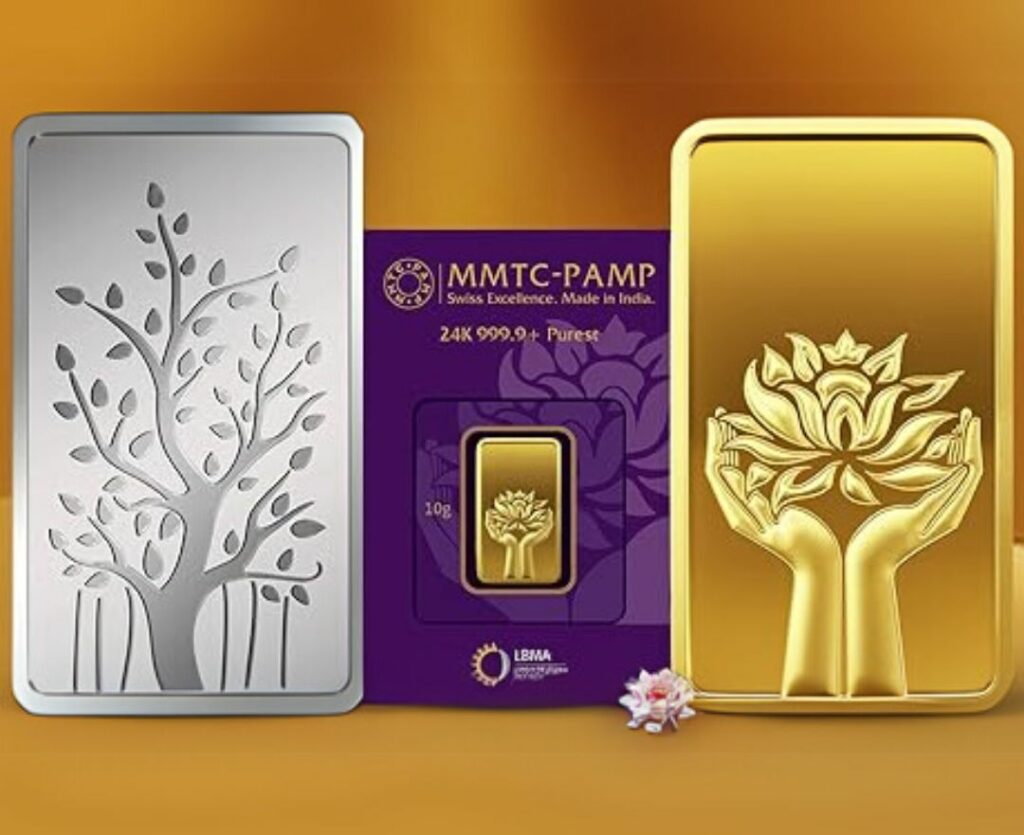
- Investment in gold coins and bars
- Role in cultural and religious ceremonies
- Symbolism of wealth and prosperity
Gold: Types and Forms Relevant to Inheritance Laws
Gold investments come in many forms, from physical gold to digital gold. It’s important to know these types to manage gold assets well within families.
Physical Gold (Jewelry, Coins, Bars)
Physical gold, like jewelry, coins, and bars, is a traditional investment in India. These items are often passed down, carrying both value and memories. When you inherit physical gold, check its condition, authenticity, and value.

Digital Gold and Paper Gold Investments
Digital gold and paper gold investments are becoming more popular. Digital gold is bought and stored online, while paper gold includes investments like ETFs or mutual funds. These options are easy to transfer and relevant to inheritance laws.
Valuation Methods for Inherited Gold Assets
Accurate valuation of inherited gold is important for taxes and dividing it among heirs. The valuation method depends on the gold type. Physical gold is valued by its market price at inheritance time. Digital and paper gold are valued by their net asset value (NAV) or market price.
When you inherit gold, whether physical or digital, knowing the gold market is key to its value. You might choose to sell gold or keep it in your portfolio. If you trade in gold futures, understanding its impact on your inherited gold is vital.
Legal Framework Governing Gold Inheritance in India
Understanding gold inheritance in India is complex. It varies among different religious groups. The laws for gold inheritance are different for each community.
Hindu Succession Act and Gold Inheritance
The Hindu Succession Act, 1956, covers inheritance for Hindus, Buddhists, Jains, and Sikhs. It explains how gold is divided among family members. Amendments in 2005 made big changes, like giving daughters equal rights to ancestral gold.
Muslim Personal Law Provisions
Muslims follow Muslim Personal Law for gold inheritance. This law is based on Shariah. It outlines how gold is shared among family members based on their relationship to the deceased.
Indian Succession Act for Other Communities
The Indian Succession Act, 1925, is for Christians, Parsis, and others not covered by the Hindu Succession Act or Muslim Personal Law. It sets rules for sharing gold assets, either through a will or by law.
Gender Considerations in Gold Inheritance
Gender is important in gold inheritance laws. The Hindu Succession Act (amended) gives daughters equal rights. But, other laws might have different rules. Knowing these differences is key for fair distribution.
| Law | Community | Key Provisions for Gold Inheritance |
|---|---|---|
| Hindu Succession Act, 1956 | Hindus, Buddhists, Jains, Sikhs | Equal share for daughters in ancestral gold |
| Muslim Personal Law | Muslims | Distribution based on Shariah principles |
| Indian Succession Act, 1925 | Christians, Parsis, others | Distribution based on will or intestate succession |
It’s vital to know these laws for managing gold assets in families. Always talk to legal experts. They can help you follow the right laws and deal with gold inheritance issues.
Testamentary Succession of Gold Assets
It’s important to know about testamentary succession to make sure your gold is given to the right people. This process is about giving out a person’s assets, like gold, after they pass away. It helps keep the family together and makes sure your gold goes to who you want it to.
Creating a Valid Will for Gold Assets
A valid will is key for testamentary succession. Your will should say how you want your gold to be shared. It’s a good idea to talk to a lawyer to make sure your will is good and does what you want. A will stops fights in the family and makes sure your gold goes to the right people.
Nomination vs. Will: Legal Differences
Many people get nomination and a will mixed up. Nomination is picking someone to get your stuff if you die, but it’s not the same as a will. A will is a legal document that says how you want your stuff, like gold, to be shared. Knowing the difference is important for your gold to go where you want it to.
Executor’s Responsibilities Regarding Gold Assets
The executor of your will is very important. They make sure your gold is given out as you wished. They handle your estate and make sure your gold goes to the right people. It’s important to pick someone you trust to do this job.
| Responsibilities | Description |
|---|---|
| Managing Gold Assets | Ensuring that gold investments are properly valued and managed until distribution. |
| Distributing Assets | Transferring gold assets to the beneficiaries as per the will. |
| Legal Compliance | Ensuring that the distribution of gold assets complies with legal requirements. |
By understanding testamentary succession and making a valid will, you can make sure your gold goes where you want it to. This helps avoid fights in the family.
Intestate Succession: When There’s No Will
When someone dies without a will, their gold is divided by law. This can get complicated because different religions have their own rules for inheritance.
Default Inheritance Patterns by Religion
In India, gold is divided based on the person’s religion. For Hindus, the Hindu Succession Act, 1956, guides the division. Muslims follow their Personal Law, and others are covered by the Indian Succession Act.
| Religion | Governing Law | Distribution Pattern |
|---|---|---|
| Hindu | Hindu Succession Act, 1956 | Among legal heirs as per the Act |
| Muslim | Muslim Personal Law | As per Sharia law provisions |
| Others | Indian Succession Act | Varies based on the Act’s provisions |
Legal Heirs’ Rights to Ancestral Gold
Legal heirs have rights to ancestral gold, protected by personal laws. Knowing these rights helps prevent disputes.
Resolving Disputes over Gold Inheritance
Disputes over gold can happen for many reasons. They might include unclear rules or disagreements among heirs. These issues often need legal help and mediation to solve.
To avoid these problems, making a clear will is best. It ensures your wishes are followed and reduces the chance of family fights over gold.
Taxation Aspects of Gold Inheritance in India
Understanding taxes on gold inheritance is key for Indian families to manage wealth well. There are many tax factors to consider when inheriting gold.
Inheritance Tax Considerations
India doesn’t have an inheritance tax. So, inheriting gold doesn’t mean you have to pay tax on it.
Capital Gains Tax on Inherited Gold
But, selling the inherited gold does mean you’ll face capital gains tax. This tax is based on the sale price minus the cost of buying it.
The cost of buying inherited gold is usually its market value at the time of the previous owner’s death. For example, if the gold was worth ₹50,000 when inherited and sold for ₹70,000, the gain is ₹20,000.
Tax Rates and Thresholds for Gold Transactions
The tax rate for gold gains depends on how long you held it. If you held it for over three years, it’s taxed at 20% after adjusting for inflation.
Here’s a simple table showing tax rates and thresholds for gold:
| Holding Period | Tax Classification | Tax Rate |
|---|---|---|
| Less than or equal to 3 years | Short-term capital asset | As per income tax slab |
| More than 3 years | Long-term capital asset | 20% with indexation |
Recent Tax Amendments Affecting Gold Inheritance
New tax rules have changed how gold inheritance is taxed. For example, the Taxation of Income from Certain Transactions affects gold sale gains.
Keeping up with these changes is vital for tax compliance and minimizing taxes. A tax expert can help understand how these changes affect you.
Documentation Required for Gold Transfer
To transfer gold smoothly, knowing what documents you need is key. The documents required can change based on the type of gold. This includes physical gold, gold in bank lockers, or digital gold.
Legal Papers for Physical Gold Transfer
Transferring physical gold, like jewelry or coins, needs proof of ownership. You’ll need receipts, hallmarking certificates, and other papers. These prove the gold’s origin and value.
If you’re inheriting gold, you’ll need to show you’re legally entitled to it. This might include a will or succession certificate.
Documentation for Bank Locker Contents
Gold in bank lockers requires specific steps for transfer. First, you must tell the bank about the account holder’s death. Then, you’ll need a death certificate and proof of your identity and relationship to the deceased.
Banks might ask for a succession certificate or will probate before letting you access the locker.
Transfer Procedures for Digital Gold Investments
Digital gold investments, like ETFs or digital platforms, need different documents for transfer. You’ll need to show your ID, proof of investment, and legal papers if it’s inherited.
Knowing these document needs is vital for a smooth gold transfer in India. Whether it’s physical, bank locker, or digital gold, having the right papers is essential.
Gold Held in Bank Lockers: Inheritance Procedures
It’s important for families to know how to handle gold in bank lockers when someone passes away. Many people keep their gold jewelry and coins in these lockers for safety. This makes it a key part of their estate.
Nomination Process for Bank Lockers
The nomination process for bank lockers is vital. It ensures that the gold and other items go to the right person when the owner dies. You can choose one or more people to inherit the locker’s contents. It’s wise to update your nomination to avoid any issues.
Legal Access to Deceased’s Locker
Getting into a deceased’s bank locker requires legal steps. The nominee or legal heir must show the bank the death certificate and their ID. This lets you get into the locker and start the transfer.
Transfer of Locker Contents to Heirs
After getting into the locker, you must move the gold and other items to the heirs. This means listing what’s inside, valuing the gold, and dividing it as per the will or laws. Knowing this can help you plan your estate better.
By following these steps, you can smoothly transfer the gold in bank lockers to the heirs. This avoids disputes and legal problems.
Gold Jewelry: Special Considerations in Inheritance
Gold jewelry holds both monetary and sentimental value, making it unique in inheritance. In India, it’s not just a valuable asset but also a keeper of memories and traditions.
Sentimental vs. Monetary Value
The value of gold jewelry is more than its gold content. It’s also about its craftsmanship, historical significance, and emotional attachment. When inheriting, it’s key to consider both its monetary and sentimental value.
“Gold jewelry is a tangible connection to our heritage and family history.” This emotional attachment makes inheritance complex. Different family members may see the jewelry’s value differently.
Proving Ownership of Ancestral Jewelry
Proving ownership of ancestral gold jewelry can be tough without formal documents. You might need family records, witness testimonies, or other evidence to link the jewelry to your family.
- Family albums or photographs showing the jewelry being worn
- Testimonies from elder family members
- Any available historical documents or records
Dividing Jewelry Among Multiple Heirs
Dividing gold jewelry among heirs needs careful thought to keep family harmony. You can assess each piece’s monetary value and divide it fairly. Or, you could sell some pieces and split the money, or keep the jewelry together and share ownership.
| Method | Advantages | Disadvantages |
|---|---|---|
| Monetary Distribution | Fair financial distribution | May not account for sentimental value |
| Selling and Dividing Proceeds | Easy to divide | Loss of family heirlooms |
| Shared Ownership | Preserves family ties and heirlooms | Potential for conflict among heirs |
If you’re thinking of selling gold jewelry, it’s important to know the current gold market value. Also, understand the process of selling gold coins or jewelry. Choosing reputable buyers can help you get a fair price.
Recent Legal Developments Affecting Gold Inheritance
New laws are changing how gold is passed down in India. It’s important for families to understand these changes to manage their gold well.
Gold Monetization Schemes and Inheritance
Gold monetization schemes offer new ways to handle inherited gold. These schemes let you deposit gold in a bank and earn interest. This makes your gold work for you instead of just sitting there.
You can look into the Gold Monetization Scheme (GMS). It allows you to earn interest on your gold deposits.
Impact of GST on Gold Transfer
The Goods and Services Tax (GST) has changed gold transactions, including inheritance. GST has made taxes simpler. But, it also brings new rules for transferring gold assets. Knowing these changes is key to avoiding legal problems.
Government Regulations on Undisclosed Gold Assets
The Indian government has rules to stop hidden gold assets. These rules need more openness in gold ownership. Families with a lot of gold must declare it to follow the law.
In short, recent laws in India have greatly changed gold inheritance. Families need to keep up with these changes to manage their gold correctly.
How Indian Families Traditionally Manage Gold Distribution
Gold distribution in Indian families is more than just passing down wealth. It’s about keeping cultural traditions alive. For generations, families have used customs and practices to manage their gold. These traditions are deeply rooted in their heritage.
Pre-inheritance Gifting Practices
One tradition is pre-inheritance gifting. Family members get gold during big life events like weddings or festivals. This strengthens family bonds and helps distribute wealth.
- Gold jewelry is often given to brides as part of their dowry or Stridhan.
- Children may get gold coins or bars as gifts during festivals like Diwali.
Stridhan and Women’s Gold Ownership
Stridhan, or women’s wealth, is key in gold ownership. Women get gold as Stridhan when they marry. It’s seen as their personal property.
Family Customs Across Different Communities
Different communities in India have their own gold distribution customs. For example, some pass down gold jewelry from mother to daughter through special rituals.
| Community | Gold Distribution Custom |
|---|---|
| South Indian | Passing down gold jewelry from mother to daughter |
| North Indian | Gifting gold coins during weddings |
Balancing Tradition with Legal Compliance
Tradition is important in gold distribution, but following laws is also key. Families must balance their cultural heritage with legal rules on inheritance and taxes.
By respecting traditions and following laws, Indian families can manage their gold well. Whether through pre-inheritance gifting or keeping Stridhan, gold’s cultural value remains important in Indian heritage.
Common Disputes in Gold Inheritance and Resolution Methods
Family fights over inherited gold are common. They often happen because of unclear wills or unfair splits. Gold is a big investment and a symbol of wealth in Indian culture. It’s important to know why these disputes happen and how to solve them.
Typical Causes of Inheritance Conflicts
Disputes often start because of unclear or missing wills. This causes confusion about who gets the gold. Other reasons include unfair splits and disagreements over gold’s value, which can change a lot in the gold market.
Legal Remedies for Disputed Gold Assets
Legal ways to solve gold disputes include filing a suit for partition or asking for a declaration of rights. When gold futures or other complex financial items are involved, getting legal advice is key.
Alternative Dispute Resolution Options
Methods like mediation or arbitration can solve gold disputes without a fight. They are quicker and can keep family ties strong.
Case Studies of Resolved Inheritance Disputes
Many cases show how gold disputes can be solved. For example, mediation helped settle fights over gold jewelry among heirs. It made sure everyone got a fair share.
By understanding why disputes happen and looking at different ways to solve them, families can handle gold inheritance better. This ensures the valuable asset is passed on smoothly to the next generation.
Strategic Planning for Smooth Gold Transfer
Planning the transfer of gold ensures your legacy is kept safe for the future. A few key steps can help you achieve this.
Creating a Gold Inventory
Begin by making a detailed list of your gold items. This includes gold jewelry, gold coins, and other valuable pieces. It helps you see the total worth of your gold.
Take photos and write down details about each item. This makes it easier to value your assets right.
Talking to Family Members
It’s important to talk openly with your family about your plans. Discussing how you want to share your gold can avoid future problems.
Getting Professional Advice
Think about getting help from financial advisors or lawyers who know about inheritance. They can guide you on the legal and tax sides of transferring your gold.
Using Digital Tools for Planning
Use digital tools for planning your inheritance. They help you organize and transfer your gold smoothly. These tools also let you share information with your heirs.
By taking these steps, you can make sure your gold is passed on smoothly to your loved ones.
Conclusion: Ensuring Your Gold Legacy
You’ve learned about gold’s role in Indian families and the laws around it. To keep your gold legacy going, knowing about taxes and transfer laws is key. This way, you can handle your gold well and leave a lasting gift for your family.
Planning carefully is vital for gold inheritance, taxes, and laws. Make a detailed gold inventory, talk openly with your family, and get help when needed. This approach helps you deal with gold’s complex rules and pass it on as you wish.
Knowing about gold inheritance, taxes, and laws helps you make smart choices about your gold. This knowledge lets you manage your gold legacy well. It also helps avoid conflicts and ensures your gold goes smoothly to the next generation.