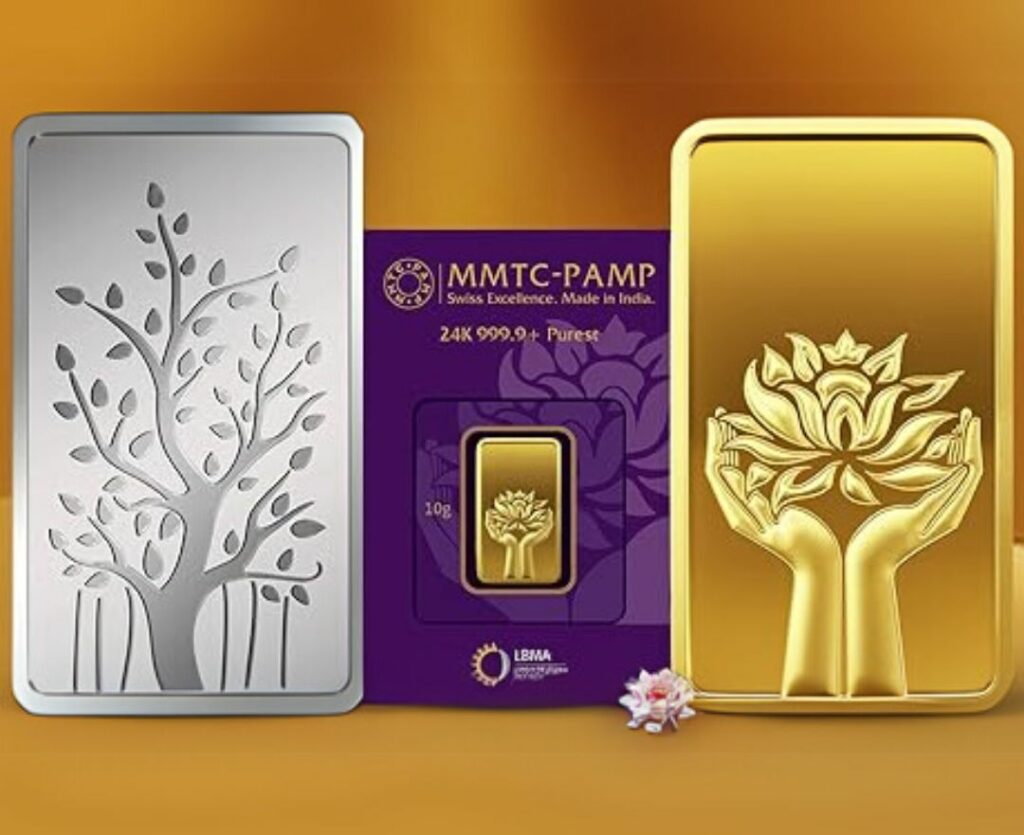






If you sell jewellery online in India, following BIS hallmarking rules is key. It helps build trust with your customers.
The Bureau of Indian Standards (BIS) hallmarking registration proves your jewellery is real. It shows the gold and silver are pure. With more people shopping online, following these rules is more critical than ever.
You must know the latest rules to keep your online jewellery sales legal. This step avoids legal trouble and gains your customers’ trust.
Key Takeaways
- Understand the importance of BIS hallmarking compliance for your jewellery business.
- Learn the latest rules and regulations for e-commerce jewellery sales in India.
- Ensure your jewellery products are BIS hallmarked to guarantee purity.
- Complying with BIS hallmarking rules builds trust with your customers.
- Stay updated with the latest BIS regulations to avoid legal issues.
The Current State of Jewelry Regulation in India
India’s jewelry industry is booming. There’s a big push for pure and real jewelry. As the market grows, rules are being set to tackle fake and low-quality jewelry.
The Jewelry Market Landscape
The Indian jewelry market has both old and new shops, and online stores are also growing. Gold and silver jewelry are in high demand. Hallmarking is key to checking if these items are pure.

A recent survey showed some important facts about the Indian jewelry market:
| Market Segment | Percentage Share | Growth Trend |
|---|---|---|
| Traditional Retail | 60% | Stable |
| E-commerce | 20% | Growing |
| Modern Retail | 20% | Expanding |
Consumer Protection Concerns
People worry about fake and low-quality jewelry. It’s important to make sure gold and silver jewelry is real. An expert said,
“The lack of standardization in jewelry manufacturing has led to a proliferation of substandard products in the market.”
To solve these problems, strict hallmarking requirements are being put in place. These rules aim to make people trust the jewelry market more.
Hallmarking: Definition, Purpose, and Importance
Hallmarking is key to proving the realness and quality of precious metal jewelry. It’s a way to check if gold and silver are pure. This makes buyers feel sure about what they’re getting.
The hallmarking process helps protect buyers. It makes sure jewelry is up to quality standards.

What Constitutes a Valid Hallmark
A valid hallmark is a mark on jewelry that shows its purity. It’s given by assaying centers after they test the metal. The BIS Hallmarking Scheme in India is one such program.
To be valid, a hallmark must come from a BIS-approved center. This ensures it follows Indian Standards.
The Value Proposition of Hallmarked Jewelry
Hallmarked jewelry has many good points for buyers. It proves the jewelry’s metal is real, building trust. It also keeps its value over time because its metal content is guaranteed.
Also, it meets legal rules, so buyers avoid fake products. For businesses, selling hallmarked jewelry can make customers happier and more loyal. This helps their brand a lot.
The Bureau of Indian Standards (BIS) Framework
The Bureau of Indian Standards (BIS) is key in setting and enforcing hallmarking standards in India. It is the backbone of the country’s quality system. This includes making sure products, like jewelry, are of high quality and pure.
BIS as the Regulatory Authority
The BIS is in charge of hallmarking in India, thanks to the BIS Act of 2016. This law lets BIS watch over the hallmarking process. It makes sure jewelry sold in India meets quality standards. The BIS framework is designed to provide a robust quality infrastructure, protecting consumers and building trust in jewelry.
BIS also registers jewelers, accredits assaying centers, and checks if hallmarking rules are followed. This detailed work helps keep the hallmarking system honest.
Historical Development of BIS Hallmarking Regulations
The BIS hallmarking rules have changed over time to keep up with the market and what consumers want. The rules were first set in 1986 and updated in 2016. These updates have made the hallmarking process better, making it more reliable.
One big change was making hallmarking mandatory for some jewelry types. This move helped protect consumers and make jewelry quality more consistent in India.
| Year | Regulatory Development | Impact |
|---|---|---|
| 1986 | BIS Act Establishment | Initial framework for standards |
| 2016 | Updated BIS Act | Strengthened hallmarking regulations |
| 2021-2023 | Mandatory Hallmarking | Enhanced consumer protection |
Mandatory Hallmarking Regulations of 2021-2023
The Indian government introduced mandatory hallmarking regulations from 2021 to 2023. This move aimed to boost consumer trust. It has greatly impacted the jewelry industry, especially online sales.
Key Provisions of the Hallmarking Order
The hallmarking order brought in several key rules. A 6-digit alphanumeric Unique Identification Number (HUID) is now given to each hallmarked item. This helps track products and builds trust with consumers.
Jewelers must now register with the Bureau of Indian Standards (BIS). They must follow strict guidelines for hallmarking.
The rules also highlight the role of assaying and hallmarking centers. These centers test and certify jewelry. Only jewelry that meets standards is hallmarked for consumers.
Phased Implementation Across India
The hallmarking regulations were rolled out in phases across India. This phased rollout helped jewelers and centers adjust slowly. The government worked with the industry to ensure a smooth transition.
This approach allowed the government to track progress and make adjustments. It helped ensure the hallmarking system was successfully implemented.
Exemptions and Special Considerations
While most gold jewelry must be hallmarked, some are exempt. Antique jewelry and certain gold artifacts are not required to be hallmarked. Small jewelers and those in remote areas also get special treatment.
It’s important for jewelers and consumers to know about these exemptions. This helps them understand the hallmarking system better and follow the rules.
The Complete Hallmarking Process for Jewelry Businesses
Jewelry businesses must follow a detailed process to meet BIS hallmarking regulations. This includes registration, submitting to assaying centers, and testing and marking procedures. This ensures jewelry products meet standards, boosting consumer trust and protecting the market.
Registration with BIS
Registration with the Bureau of Indian Standards (BIS) is the first step. Jewelers need to submit specific documents, such as:
- Certificate of Incorporation with Memorandum of Association (for companies)
- Registered Partnership Deed (for partnership firms)
- Chartered Accountant’s Certificate (for proprietorships)
- GST Registration Certificate
- Sale or Lease Deed Agreement
- Latest Property Tax Receipt
- Rent Agreement with rent receipt
- Income Tax Assessment Order
- Registration with State Government Authority
- Aadhar Card / PAN Card / Passport / Voter ID / Driving Licence
- Photo ID issued by Gazetted Officer
- Aadhar-based e-signature authentication
- Location map marking the premises from a known landmark for each sales outlet
- Copy of GST Returns for the previous financial year
It’s important to prepare and submit all required documents accurately for a smooth registration.
Submission to Assaying Centers
After registering with BIS, jewelry businesses must submit their products to authorized assaying centers. These centers test the purity and quality of jewelry. The submission process involves:
| Step | Description |
|---|---|
| 1 | Prepare jewelry samples according to BIS guidelines |
| 2 | Submit samples to the nearest authorized assaying center |
| 3 | Obtain a receipt for the submitted samples |
This ensures jewelry is tested against BIS standards, verifying its authenticity and quality.
Testing and Marking Procedures
The testing procedure checks the metal purity of the jewelry. If it passes, it’s marked with the BIS hallmark, showing it meets Indian standards. The marking procedure includes:
- Application of the BIS hallmark on the jewelry
- Issuance of a certificate of conformity
- Maintenance of records for traceability
This step is crucial as it assures consumers about the quality and purity of their jewelry purchases.
Understanding Hallmarking Symbols and Certifications
Knowing about hallmarking symbols is key for both buyers and sellers in the jewelry world. These symbols and certifications prove that jewelry is real and pure. It’s important to understand what they mean.
The Six Components of a BIS Hallmark
A BIS hallmark has five main parts. They make sure jewelry is real, pure, and can be traced back. These parts are:
- The BIS logo or mark
- The purity rating of the metal
- The assaying and hallmarking center’s identification mark
- The jeweler’s identification mark
- The year of hallmarking
| Component | Description |
|---|---|
| BIS Logo/Mark | Shows it meets BIS standards |
| Purity Rating | Tells you the metal’s purity (like 916 for 91.6% gold) |
| Assaying Center’s Mark | Shows who tested the jewelry |
| Jeweler’s Mark | Tells you who made it |
| Year of Hallmarking | Tells when it was hallmarked |
Verification Techniques for Consumers and Retailers
To check if jewelry is real, follow these steps. Look for all five parts of the BIS hallmark. Then, make sure the jeweler’s and assaying center’s marks are correct. Also, check the metal’s purity rating.
For more checks, use digital tools or talk to BIS experts. Knowing these steps helps you buy real, hallmarked jewelry with confidence.
E-Commerce Specific Compliance Requirements
E-commerce platforms selling jewelry must follow specific rules to operate legally and keep customer trust. The BIS Hallmarking Regulations have strict guidelines for online sellers. These rules ensure the authenticity and quality of their products.
Product Listing Requirements
When listing jewelry online, make sure each product is hallmarked. Include the hallmarking details in the listing. For example, a gold necklace listing should show its purity (like 14K or 18K) and the hallmarking logo.
Accurate product descriptions are not just legal; they also build trust with customers.
Digital Documentation Standards
Keeping proper digital records is key for e-commerce compliance. You should have digital copies of hallmarking certificates for all products. These records should include product description, metal purity, weight, and the hallmarking center’s details.
Having these documents easily accessible and verifiable boosts customer confidence in your products.
Customer Communication Guidelines
Good customer communication is essential in e-commerce. When talking to customers, clearly share the hallmarking status of your products. Explain how to check the authenticity of hallmarked jewelry.
This clear information can lower customer inquiries and increase satisfaction.
By following these e-commerce specific rules, online jewelry sellers can meet BIS Hallmarking Regulations. They can also improve their brand reputation and customer trust.
Legal Consequences of Non-Compliance
Not following hallmarking rules can hurt your jewelry business a lot. It can damage your money and your good name in the market.
Penalties Under the BIS Act
The Bureau of Indian Standards (BIS) Act has tough rules for not following hallmarking rules. These rules include:
- Big fines of up to ₹50 lakhs
- Taking away and keeping your non-compliant products
- Going to court, which could mean jail time
Here’s a table to show how serious these penalties are:
| Penalty Type | Description | Maximum Penalty |
|---|---|---|
| Financial Penalty | Fine for not following rules | ₹50 lakhs |
| Product Seizure | Taking away non-compliant products | All non-compliant stock |
| Criminal Prosecution | Legal trouble that could lead to jail | Imprisonment term varies |
Consumer Protection Act Implications
Not following rules also means trouble under the Consumer Protection Act. This can lead to more legal problems, like:
- Having to recall products
- Orders not to make or sell more
- Lawsuits from unhappy customers
It’s very important to know these legal issues. Following hallmarking rules keeps your business safe and builds trust with customers.
Implementing a Hallmarking Compliance Strategy
A good compliance strategy protects your jewelry business from legal issues and builds trust with customers. Focus on several key areas to make sure your business follows BIS hallmarking rules.
Compliance Audit Checklist
Start by doing a detailed compliance audit to check if your jewelry business meets BIS hallmarking standards. Your checklist should cover checking hallmarking certificates, making sure product listings are correct, and that all jewelry is properly marked. Diligence Certifications can help you review and upload documents as needed.
- Verify hallmarking certificates for all jewelry items.
- Check product listings for accuracy and compliance.
- Ensure all jewelry items are properly hallmarked.
| Compliance Area | Action Required | Status |
|---|---|---|
| Hallmarking Certificates | Verify authenticity | |
| Product Listings | Check accuracy | |
| Jewelry Items | Ensure proper hallmarking |
Staff Training and Awareness
It’s important to train your staff on BIS hallmarking compliance and how to spot hallmarked jewelry. Teach them about hallmarking symbols and how to check if items are genuine. Regular training keeps your team aware of compliance rules.
“The hallmark is a guarantee of the purity of the precious metal and is a mark of trust for the consumer.” – BIS Official
Vendor Management Protocols
Managing vendors well is key to staying compliant. Set up clear rules for picking and checking vendors to make sure they follow BIS hallmarking rules. Do regular checks on vendor practices and documents to confirm they’re following the rules.
By following these steps, your jewelry business will stay in line with BIS hallmarking rules. This boosts customer trust and keeps your business safe from legal problems.
Business Benefits of Hallmarking Compliance
Getting a BIS Hallmark certification can really help your jewelry business. It makes your business look more credible and important in the market. By following hallmarking rules, you make sure you’re legal and get many benefits that help your business grow.
Enhanced Consumer Trust and Brand Value
Hallmark certification means your gold or silver items are of high quality. This makes people trust your brand more. They will be happier and more loyal to you. This trust makes your brand more valuable, attracting more customers and setting you apart from others.
Experts say, “Hallmarking shows that precious metal items are real.” This is key to keeping a loyal customer base.
Competitive Differentiation in the Market
In a busy jewelry market, having a hallmark can really help you stand out. The BIS Hallmark logo shows that your products are top-notch. This gives you an edge over others, showing you’re a trusted and reliable brand.
| Benefits | Description | Impact |
|---|---|---|
| Consumer Trust | Guarantees quality and fineness | Increased customer loyalty |
| Brand Value | Enhances credibility and reputation | Attracts new customers |
| Competitive Edge | Differentiation through quality assurance | Market leadership |
Overcoming Common Hallmarking Challenges
The Indian jewelry industry is moving towards mandatory hallmarking. Businesses face many challenges in complying with BIS hallmarking regulations. Hallmarking is not just a rule; it builds trust with consumers.
Managing Compliance Costs
Managing compliance costs is a big challenge. Costs include registration fees, testing, and marking the jewelry. To handle these costs, businesses can try a few things:
- Make the hallmarking process part of quality control.
- Get better rates from assaying centers.
- Use technology to track hallmarking compliance.
| Cost Component | Description | Estimated Cost |
|---|---|---|
| Registration Fees | Fees for registering with BIS | ₹5,000 |
| Testing Charges | Charges for testing jewelry at assaying centers | ₹200 per item |
| Marking Costs | Costs associated with marking jewelry with the BIS hallmark | ₹50 per item |
Dealing with Supply Chain Complexities
Supply chain complexities are another challenge. Making sure all suppliers follow hallmarking rules is hard. Businesses can tackle this by:
- Regularly checking suppliers.
- Teaching suppliers about hallmarking rules.
- Adding hallmarking to vendor contracts.
Addressing Regional Variations in Implementation
Regional differences in hallmarking rules also pose challenges. Businesses in different areas need to know these differences. They can adapt their strategies by:
- Keeping up with regional rule changes.
- Adjusting their compliance plans for each area.
By understanding these challenges and using smart strategies, jewelry businesses can meet BIS hallmarking rules. This boosts consumer trust and brand value.
Future Trends in Jewelry Hallmarking and E-Commerce
The jewelry industry is changing fast, with big updates in hallmarking and online shopping. The hallmarking system will get a lot better, thanks to new tech and the need for more trust with customers.
New tech will change how we check and confirm jewelry. You’ll see new, advanced ways to make hallmarking better.
Technological Innovations in Verification
New tech is set to change hallmarking in jewelry. Some big changes include:
- Digital hallmarking: Moving to digital checks instead of old physical ones.
- Blockchain-based tracking: Using blockchain to keep a permanent record of jewelry’s history.
- Advanced authentication techniques: New ways to make sure jewelry is real.
International Standards Alignment
The Bureau of Indian Standards (BIS) is making hallmarking better. They want to cover more types of precious metal items. This will help build trust with customers and follow global purity standards.
Some key parts of this effort are:
- Adding more precious metal types to the mandatory hallmarking list.
- Using new purity standards to match global levels.
- Protecting customers better with stricter rules.
By keeping up with these changes, your jewelry business will stay legal and take advantage of new tech.
Conclusion: Securing Your Jewelry Business Through Compliance
Hallmarking compliance is key for your jewelry business in India. Following the Bureau of Indian Standards (BIS) rules makes your products authentic and high-quality. It also builds trust with your customers.
Choosing to follow hallmarking rules can make your business stand out. It boosts your brand’s value. Keeping up with new rules and having a solid compliance plan is vital. This helps you avoid legal issues and stay strong in the market.
Want to start your BIS Hallmark registration? Contact Diligence Certifications today. They can help you through the process. This ensures your business stays compliant and competitive.