





Looking ahead to 2025, the precious metals market is set for big changes. You might be curious about the rise in platinum prices. With a forecasted jump of about 57%, platinum is becoming a standout choice in the precious metals world.
Gold has hit record highs, and silver is gaining strength. Yet, platinum is seen as underpriced. This gap offers a special chance for investors to add value to their portfolios with a promising investment option.
Key Takeaways
- Platinum is expected to surge by 57% in 2025.
- The metal is outperforming gold and silver.
- Platinum remains undervalued compared to other precious metals.
- Diversifying your portfolio with platinum can be lucrative.
- Investors should consider platinum as a viable investment option.
The Platinum Market Revolution of 2025
The year 2025 is set to be a big year for platinum. Its price is expected to rise by about 57%. This big jump shows a major change in how precious metals are valued.
Breaking Down the 57% Price Surge
The 57% price surge in platinum comes from several reasons. A big one is a large supply deficit. The World Platinum Investment Council (WPIC) says we’re facing our third year of deficit.
They predict a shortfall of 850,000 ounces in 2025. This shortage means demand is high but supply can’t keep up. It’s a key reason for the price hike.
Key Milestones in Platinum’s 2025 Journey
2025 has seen important moments for platinum. Supply issues and growing demand from cars and industries have been key. Also, more people see platinum as a good investment option.
As investors seek to diversify, platinum stands out. Its unique place among precious metals makes it appealing.
The Historical Context of Precious Metals Performance
The history of precious metals shows patterns that help investors make choices. Knowing how these metals have done over time can guide your decisions. This is true, even when looking at how they compare to each other.
Investors have always watched gold, silver, and platinum closely. Platinum, in particular, has shown certain patterns that hint at its future performance.
Platinum’s Traditional Position Among Precious Metals
Platinum is seen as a precious metal with industrial uses. This sets it apart from gold and silver, which are mainly seen as value stores. Historically, platinum has often followed gold’s lead in bull cycles.
In the late 1970s and early 2000s, gold led the way. Then, platinum caught up with even bigger gains.
| Metal | 1970s Performance | 2000s Performance |
|---|---|---|
| Gold | Initial breakout | Strong gains |
| Platinum | Followed gold’s lead | Stronger percentage gains |
Previous Market Cycles and Pattern Analysis
Looking at past market cycles can reveal patterns in precious metals. By studying historical data, you can predict how platinum and other metals might act in the future.

For example, knowing platinum usually follows gold in bull cycles but then outpaces it can shape your investment plan. This historical insight is key for smart decisions in the precious metals market.
Why Platinum is Outperforming Gold & Silver in 2025
Platinum has seen a big jump in 2025, up over 57% by September 19. This shows it’s doing better than gold and silver. Knowing why platinum is doing well can help you make smart choices with your investments.
Comparative Price Movement Analysis
Looking at the price changes of platinum, gold, and silver in 2025, we see some key trends. Platinum’s price has gone up more than gold and silver. This is due to several factors, like how much it’s used in industry and how people invest in it.
Investment Return Metrics Across Precious Metals
When we look at how well precious metals do, we need to check different things. These include how much they’ve made, how volatile they are, and how they compare to risk. Platinum’s strong demand and limited supply have made it a good choice in 2025.
Here’s a quick look at how platinum, gold, and silver have done in terms of returns:
| Metric | Platinum | Gold | Silver |
|---|---|---|---|
| Total Return (%) | 57 | 20 | 55 |
| Volatility | Moderate | Low | High |
| Risk-Adjusted Return | High | Moderate | Moderate |
These numbers can help you decide on the right precious metals for your portfolio.
Industrial Demand: The Primary Catalyst for Platinum’s Growth
Platinum’s value has surged due to several factors, with industrial demand being key. When looking into investment options, knowing how industrial demand affects platinum’s growth is vital.
Manufacturing Sector Requirements
The manufacturing sector is a big user of platinum. It uses platinum because of its ability to catalyze reactions. Key industries include chemical production, petroleum refining, and electrical components. These sectors need platinum for its efficiency and durability.
- Chemical production: Platinum acts as a catalyst in making various chemicals.
- Petroleum refining: It’s essential in refining, helping make top-quality fuels.
- Electrical components: Platinum’s conductivity and resistance to corrosion make it perfect for electrical uses.
New Industrial Applications Emerging in 2025
In 2025, new uses for platinum will increase its demand. Hydrogen production and fuel cell technology are key areas where platinum is vital. These new uses will likely boost platinum’s growth in the future.
- Hydrogen production: Platinum is used in electrolysis for hydrogen creation.
- Fuel cell technology: It’s a key part in fuel cells, improving efficiency and performance.
As industrial demand keeps rising, driven by both traditional and new uses, platinum’s value is set to stay strong. By understanding industrial demand and its role in platinum’s growth, you can make smart investment choices.
The Automotive Revolution’s Impact on Platinum
As the automotive world changes, platinum is becoming more important. The move towards green technologies is boosting platinum demand in cars.
New tech like hydrogen fuel cells and electric vehicles (EVs) is changing the game. These innovations are not just transforming the industry. They’re also opening up new chances for platinum.
Hydrogen Fuel Cell Technology Expansion
Hydrogen fuel cells are becoming a key clean energy option for cars. Platinum is essential in making fuel cells work. It acts as a catalyst, helping the chemical reaction that makes electricity. As hydrogen fuel cells grow, so will the need for platinum.
Electric Vehicle Components Using Platinum
Even though EVs use less platinum than old cars, they’re not platinum-free. Spark plugs and fuel cells in EVs often need platinum. Some EV makers are even looking to use platinum in more parts, which will raise demand.
The rise in platinum demand from cars is big. Even if car production slows down, the growth in hydrogen fuel cells and platinum use in EVs will keep demand high.
Supply-Side Economics: Mining Challenges and Production Shortfalls
Looking into the platinum market, we see how supply-side economics plays a big role. The latest numbers show a big drop in global refined output. It fell to 1.45 million ounces in Q2 2025, down from 1.54 million in Q2 2024. This drop is mainly because of mining problems, mostly in South Africa.
South African Mining Industry Developments
The South African mining industry is key in the global platinum supply chain. But, it’s facing many challenges. Mine supply from South Africa is expected to drop by 6% this year, adding to the global production shortfall. Issues like operational problems, safety concerns, and logistical challenges are hurting the industry’s performance.
Key statistics highlighting the challenges include:
- Decrease in mine supply from South Africa
- Increased operational costs
- Safety and logistical issues
Global Production Constraints and Their Market Impact
Global production constraints are deeply affecting the platinum market. The supply drop is happening when demand is high, mainly from the automotive and industrial sectors. This mismatch is likely to push prices up and change market dynamics.
| Region | Q2 2024 Production (ounces) | Q2 2025 Production (ounces) | Change (%) |
|---|---|---|---|
| South Africa | 1,200,000 | 1,128,000 | -6% |
| Global | 1,540,000 | 1,450,000 | -5.8% |
The table shows the drop in platinum production, mainly from South Africa, and its effect on global supply.
As the platinum market deals with these supply-side issues, it’s vital to understand mining challenges and production shortfalls. This knowledge is key for investors and industry players.
Investment Vehicles for Indian Investors Seeking Platinum Exposure
Indian investors are looking at different ways to invest in platinum. This is because platinum’s demand is rising. It’s important to know the various ways to invest in this precious metal.
Physical Platinum Options
You can buy physical platinum in coins, bars, or jewelry. Many Indians like physical platinum because you can hold it. But, it needs safe storage and checks on purity.
Coins and bars from places like the Perth Mint or Royal Canadian Mint are popular. Make sure to buy from trusted dealers to ensure it’s real.
ETFs and Mutual Funds
For an easier option, consider Platinum ETFs and mutual funds. They track platinum’s price, so you can invest without holding the metal.
Well-known ETFs include the Aberdeen Standard Platinum ETF Trust and the GraniteShares Platinum Trust. You can find these through international trading platforms or brokers.
Digital Platforms
Digital platforms have made investing in metals easier. You can buy and sell platinum online, often as tokens or certificates.
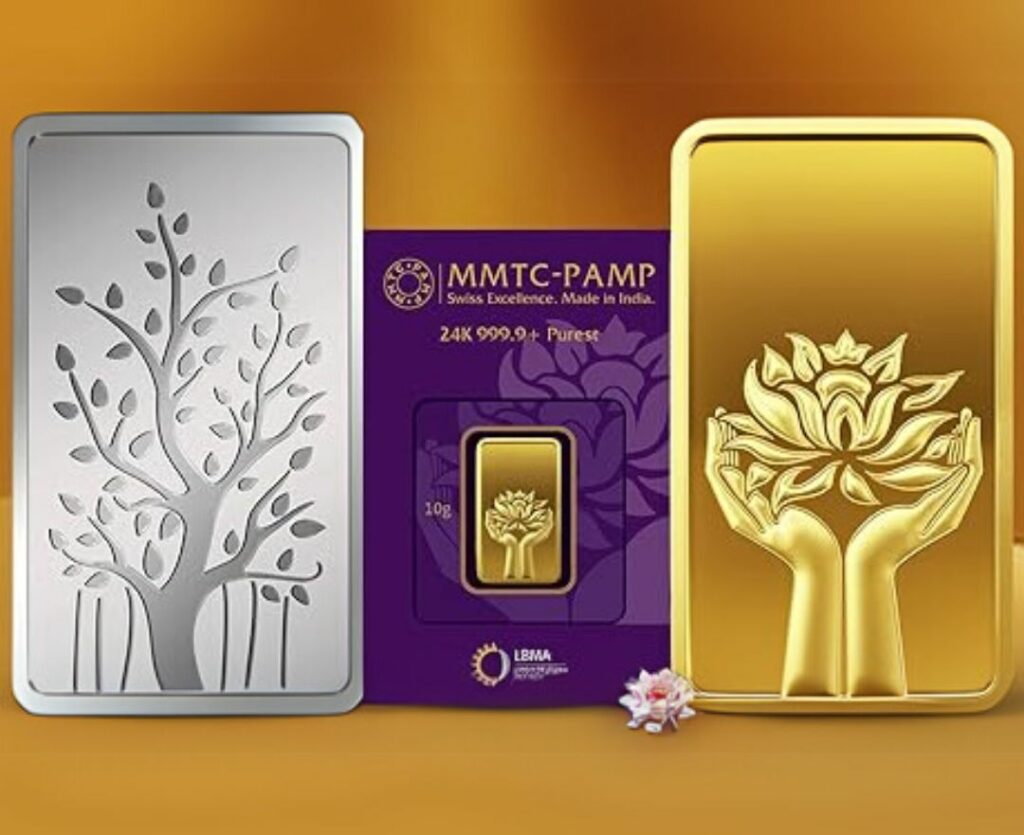
Platforms like MMTC-PAMP offer digital gold and are adding other metals. They let you invest in platinum without needing to store it physically.
| Investment Vehicle | Key Features | Considerations |
|---|---|---|
| Physical Platinum | Tangible asset, can be held physically | Storage security, assaying, and purity verification |
| Platinum ETFs | Tracks platinum price, convenient, no storage needed | Market volatility, management fees |
| Digital Platforms | Convenient, no physical storage needed | Platform security, regulatory compliance |
The Shifting Dynamics Between Platinum and Traditional Gold & Silver in India
India’s precious metals market is changing fast. A big shift is happening between platinum and traditional gold and silver. This change comes from cultural shifts, changes in the wedding and jewelry market, and new investment habits among Indian buyers.
Cultural Evolution in Precious Metals Preferences
In India, how people see and buy precious metals is changing. More people are choosing platinum because it’s rare and trendy. Platinum’s strength and its image of luxury are drawing many to it. This is making gold less popular.
Wedding and Jewelry Market Adaptations
The wedding and jewelry market in India is changing too. Jewelers are now making more platinum jewelry to meet modern tastes. This change is driven by:
- More demand for unique jewelry
- People learning about platinum’s benefits
- A bigger middle class wanting to spend on jewelry
Investment Behavior Changes Among Indian Consumers
Indian investors are getting smarter about where to put their money. They’re starting to see the value in platinum. This is because:
- Platinum might offer better returns than gold and silver
- More people know about platinum’s industrial uses
- There’s a desire to invest in something less common
In summary, the balance between platinum and traditional gold and silver in India is shifting. This is due to cultural changes, market adaptations, and new investment behaviors. As people become more informed, the demand for platinum is expected to rise.
Portfolio Diversification Strategies for Indian Investors
With platinum’s breakout year in 2025, Indian investors are exploring new ways to diversify their portfolios. It’s key to understand how to optimize your investments as the market changes.
Portfolio diversification spreads investments across different asset classes to lower risk. For Indian investors, this means mixing traditional assets like stocks and bonds with alternative investments like precious metals.
Optimal Allocation Percentages for Precious Metals
Finding the right amount of precious metals in your portfolio depends on your goals, risk tolerance, and market conditions. A common suggestion is to allocate 5-15% of your portfolio to precious metals. This balance helps you enjoy the benefits of metals like platinum while keeping your portfolio diverse.
Balancing Physical and Paper Investments
Indian investors can choose between physical precious metals and paper investments. Physical metals offer a tangible value, while paper investments provide liquidity and diversification. A mix of both can help you manage market ups and downs.
“The key to successful investing is not in timing the market, but in time in the market.” – A well-known mantra that holds true for precious metals investing as well.
Risk Management Approaches for Volatile Markets
Volatile markets need effective risk management strategies. For Indian investors, this includes setting clear goals, diversifying in different precious metals, and using stop-loss orders. Regularly rebalancing your portfolio is also key to keep your investments in line with your risk tolerance and goals.
By using these diversification strategies, Indian investors can handle the precious metals market’s challenges. They can also take advantage of opportunities like platinum’s growth in 2025.
Technical Analysis: Platinum’s Price Patterns and Projections
Let’s explore the technical analysis of platinum’s price in 2025. We see some key trends. The platinum market has seen big price swings. It’s important for investors to know what drives these changes.
Chart Patterns and Key Support/Resistance Levels
The chart reveals an inverted head and shoulders pattern in the first half of 2025. In Q2 2025, platinum broke above the neckline. This was a big bullish sign, showing a possible end to the downtrend.
Momentum Indicators and Trading Signals
Momentum indicators have been key in showing platinum’s price strength. The Relative Strength Index (RSI) and Moving Average Convergence Divergence (MACD) both showed bullish signs. They support the upward trend.
| Indicator | Signal | Implication |
|---|---|---|
| RSI | Oversold then rising | Bullish |
| MACD | Crossing above signal line | Bullish |
These indicators together suggest platinum’s price will likely keep going up. This makes it a good investment choice.
Global Economic Factors Driving Platinum’s Outperformance
Platinum’s strong performance in 2025 comes from a mix of global economic factors. These factors shape how investors act and how markets move. Knowing these factors is key for smart investment choices.
Currency Fluctuations and Their Impact on Platinum
Currency changes have greatly influenced platinum’s success. When global currencies swing, investors seek safe assets like platinum. This is even more true when the US dollar drops, making platinum more appealing to buyers worldwide.
Inflation Hedging Capabilities Compared to Other Metals
Investors are keen on platinum’s ability to protect against inflation. It outshines gold and silver in this area, thanks to its strong link with inflation. Plus, platinum’s industrial use boosts its value, making it a solid choice for wealth protection.
Geopolitical Tensions Affecting Supply Chains
Geopolitical issues, like those in South Africa, have also helped platinum. Uncertainty in trade and tariffs has made investors more cautious. This has led to more physical platinum being bought, supporting its price and making it a safe bet.
Platinum Bullion vs. Jewelry: Investment Considerations for Indian Buyers
Indian buyers face a choice between platinum bullion and jewelry. Bullion is valued for its purity, while jewelry is prized for its craftsmanship. It’s important to consider several factors that affect their value and appeal.
Value Retention Differences in the Indian Market
Platinum bullion has a purity level above 99.9%, making it a reliable investment. Platinum jewelry, though beautiful, may have higher costs for craftsmanship. This can lower its resale value. In India, bullion tends to hold its value better because its price is based on metal content.
Liquidity Considerations and Resale Challenges
Liquidity is key when investing in platinum. Bullion is more liquid than jewelry. Jewelry’s resale value can be tricky due to design, craftsmanship, and maker’s reputation. Bullion, on the other hand, is easy to buy and sell through banks and online platforms.
Making Choices Based on Investment Goals
Your investment goals are important in choosing between bullion and jewelry. Bullion is better for a straightforward investment with high liquidity. Jewelry, with its beauty, might be more suitable if you’re willing to hold onto it longer.
| Investment Aspect | Platinum Bullion | Platinum Jewelry |
|---|---|---|
| Purity | High (99.9%) | Variable, often lower due to alloying |
| Liquidity | High | Lower, depends on design and craftsmanship |
| Resale Value | Directly related to platinum price | Affected by craftsmanship, design, and maker’s reputation |
The choice between platinum bullion and jewelry depends on your goals and preferences. Knowing the differences in value, liquidity, and resale can help you make a decision that fits your financial goals.
Tax and Regulatory Framework for Platinum Investors in India
Investing in precious metals like platinum in India can be complex. It’s important to know the tax and regulatory rules. These rules help you make smart investment choices.
Current Taxation Structure for Precious Metals
The tax rules for precious metals in India include GST and capital gains tax. GST is 3% on platinum purchases, which is lower than many other goods. Capital gains tax depends on how long you hold the platinum.
For example, selling platinum within 36 months is short-term capital gains. It’s taxed based on your income tax slab. But, holding it over 36 months makes it long-term capital gains. This is taxed at 20% with indexation benefits.
Import Regulations and Duties
India imports a lot of platinum, so import rules and duties are key. The current import duty on platinum is 10%. This duty affects the investment cost. Importers must also follow quality and quantity rules.
According to a report by the Indian Bullion and Jewellers Association, “The import duty on precious metals like platinum can significantly affect the domestic prices and investor sentiment.”
Strategic Tax Planning for Maximum Returns
To get the most from platinum investments, strategic tax planning is key. Consider holding platinum over 36 months for better tax rates. Also, look into tax-saving investment options.
A leading financial advisor says, “Think about the tax impact of your investments. Plan to reduce tax liabilities.”
Common Misconceptions About Platinum as an Investment
Platinum prices have gone up in 2025. Knowing the truth behind myths can guide your investment choices. It’s key to know the facts about platinum investments.
Debunking Popular Myths in the Indian Market
In India, some think platinum is less valuable than gold or silver. But this is not true. Platinum’s worth comes from its rarity and use in cars. The rise of hydrogen fuel cells has also boosted its value.
- Myth: Platinum is less liquid than gold. Reality: Platinum has a strong market with lots of trading.
- Myth: Platinum is only for industrial use. Reality: It’s also a good investment, helping against inflation.
Reality vs. Marketing Claims
Marketing often makes platinum seem like a luxury or rare item. But it’s more than that. Platinum is useful in many ways and is a solid investment. Investors should look beyond the marketing to see platinum’s real value.
To make smart choices, it’s important to clear up misconceptions about platinum. By understanding its true worth, you can take advantage of its growing demand. This could help grow your investment portfolio.
Expert Insights: Interviews with Leading Indian Precious Metals Analysts
Experts in India’s precious metals sector talk about platinum’s growth in 2025. They share what drives this growth. This is key for investors wanting to follow new trends.
Perspectives from Financial Institutions
Financial groups watch the platinum market closely. They share important insights. Rajesh Kumar, from SBI Capital Markets, says, “Platinum prices rise because of more demand in the car industry.” This is backed by recent market studies, showing platinum’s importance in clean energy.
| Institution | Key Insight |
|---|---|
| SBI Capital Markets | Increased industrial demand driving platinum prices |
| HDFC Bank | Platinum’s role in automotive sector is key for its growth |
Jeweler and Bullion Dealer Observations
Jewelers and bullion dealers also share their views. Anand Jain, a well-known jeweler, says, “More people want platinum jewelry because it lasts long and looks good.” This is seen in sales, with more platinum jewelry being sold.
Investment Advisor Recommendations
Investment advisors suggest adding platinum to portfolios. Rahul Sharma, a financial advisor, advises, “Put 5-10% of your money in platinum to protect against market ups and downs.” Below are the main tips from advisors.
| Advisor | Recommendation |
|---|---|
| Rahul Sharma | Allocate 5-10% of portfolio to platinum |
| Amitabh Singh | Think about platinum ETFs for varied exposure |
Conclusion: Navigating Platinum’s Golden Age in Your Investment Journey
Platinum’s breakout year in 2025 is a big deal in the precious metals market. It saw a 57% price jump, beating gold and silver. This makes it a great choice for Indian investors looking to grow their wealth.
To make the most of platinum’s golden age, think about adding it to your investment mix. Its growing demand in industries and the car market, along with its supply dynamics, make it a promising investment.
When looking into platinum investments, remember the different ways to invest. You can buy physical platinum, invest in ETFs, or mutual funds. It’s key to mix both physical and paper investments to handle risks well.
Understanding platinum’s role in your investment portfolio can help you reach your financial targets. As the precious metals market changes, staying updated and adjusting your strategy is vital for success.