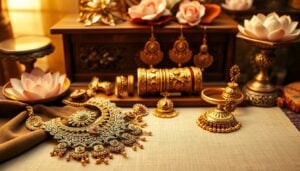






When you enter the Amrapali Museum in Jaipur, you’re greeted by the splendor of luxury gold jewelry. The designs are so beautiful, they’ll take your breath away. The museum is filled with tribal silver and royal gold jewellery, celebrating India’s deep cultural roots.
The Amrapali Museum is a place you must see if you love jewelry, history, or culture. Amrapali Jewels, the museum’s creators, are famous for their stunning jewelry. Celebrities like Jennifer Lopez and Priyanka Chopra have worn their designs.
Key Takeaways
- Explore the rich cultural heritage of India through tribal silver and royal gold jewelry.
- Discover the opulence of luxury gold jewelry at the Amrapali Museum.
- Experience the unique designs that have adorned celebrities worldwide.
- Learn about the history and cultural significance of jewelry in India.
- Visit the Amrapali Museum in Jaipur for an unforgettable experience.
The Story Behind Amrapali Museum
When you enter the Amrapali Museum, you’re about to discover a remarkable tale. It’s the story of India’s famous jewelry brand. The museum is more than jewelry; it’s a journey through India’s rich culture, shown through stunning pieces.
Founders and Their Vision
The creators of Amrapali Jewels aimed to make a brand known for its beauty and cultural value. They wanted to keep traditional skills alive while introducing new designs. Their dream was to make jewelry that was beautiful and told India’s cultural stories.
From Jewelry Brand to Cultural Institution
Amrapali Jewels has grown into a cultural treasure, showing off its jewelry and history. The museum is a symbol of this growth, with a wide range of jewelry. It shows how a jewelry brand can become a guardian of cultural heritage, where each piece tells a story of India’s past and its artisans.
| Year | Event | Significance |
|---|---|---|
| 1970s | Amrapali Jewels Founded | Marked the beginning of a journey to revive traditional Indian jewelry |
| 2000s | Expansion and Innovation | Introduced modern designs while preserving traditional craftsmanship |
| 2010s | Establishment of Amrapali Museum | Cemented the brand’s status as a cultural institution |
Location and Architecture of the Museum
The Amrapali Museum is a treasure trove of regal gold accessories and elegant gold jewelry. It’s located in Jaipur’s bustling streets. This makes it easy for visitors from all over the world to find it.
Finding Your Way to Amrapali Museum
You can get to the Amrapali Museum by road, air, or rail. Jaipur is well-connected, making it easy to reach. The museum is in the city’s heart, close to major hotels and attractions.
The Building’s Design and Significance
The museum’s building is a masterpiece of architecture. It combines traditional and modern styles, creating a unique landmark. The design shows the rich cultural heritage of the region, just like the regal gold accessories and elegant gold jewelry it displays.
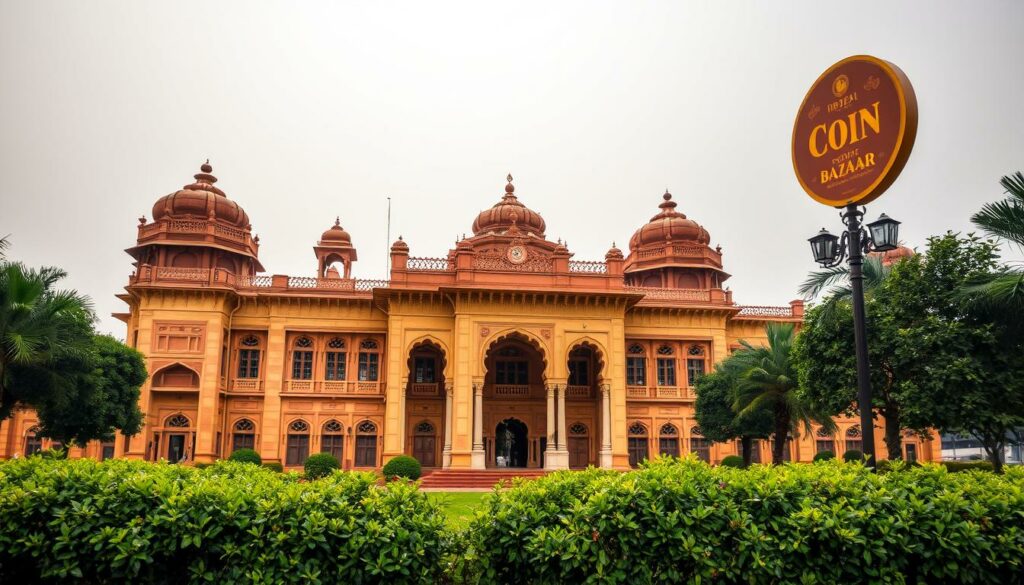
Exploring the museum, you’ll see how the building’s design enhances the exhibits. It offers an immersive experience that takes you back in time. The Amrapali Museum is more than just beautiful jewelry. It’s a journey through Rajasthan’s history and culture.
The Spectacular World of Royal Gold Jewellery at Amrapali
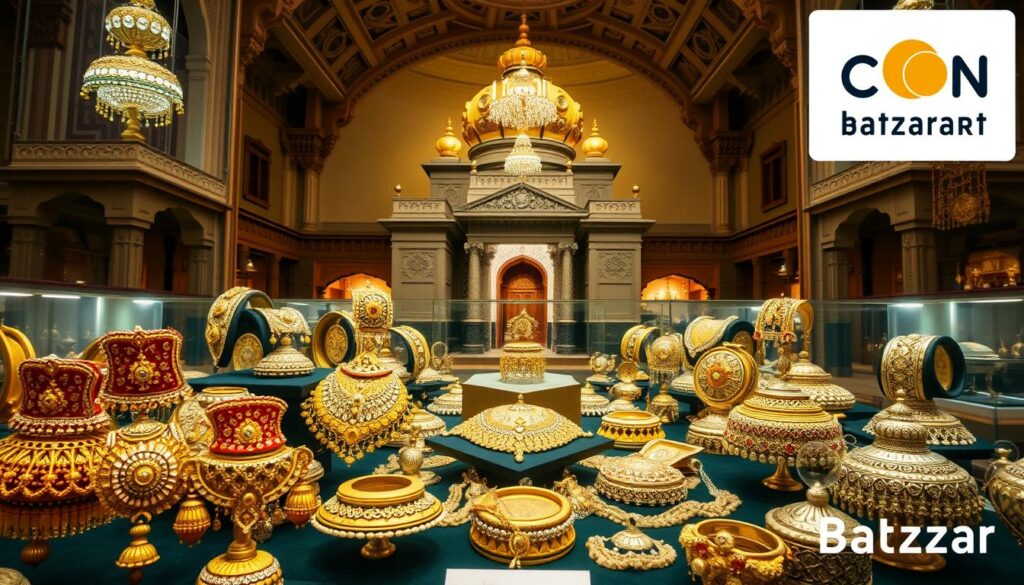
When you enter the Amrapali Museum, you’re greeted by the beauty of royal gold jewelry. The museum displays a stunning collection of exclusive royal gold pieces. Each piece shares a story of India’s rich culture and the luxury of its royal past.
The craftsmanship behind these luxury gold jewelry pieces is remarkable. The intricate designs and precious gemstones show the grandeur of India’s royal history.
Rajasthani Royal Heritage Pieces
The Rajasthani royal heritage pieces in the Amrapali Museum are truly special. They are not just beautiful but also hold deep historical and cultural value.
Symbolic Meanings Behind Royal Designs
The designs on these pieces carry symbolic meanings. They represent various parts of Rajasthani culture and mythology. For instance, peacocks and elephants symbolize prosperity and good luck.
Materials and Gemstones Used
These pieces are crafted from high-quality gold and feature precious gemstones like rubies, emeralds, and diamonds. The choice of materials and gemstones enhances their luxury and opulence.
Mughal-Inspired Gold Artistry
The Amrapali Museum also features luxury gold jewelry inspired by Mughal artistry. These pieces showcase the influence of Mughal craftsmanship on Indian jewelry. They are known for intricate designs and the use of precious stones.
Ceremonial and Wedding Ornaments
The museum’s collection includes ceremonial and wedding ornaments. These pieces highlight the importance of gold jewelry in Indian weddings and ceremonies. They are often heavy with intricate designs and are passed down as family heirlooms.
Tribal Silver Treasures: A Unique Showcase
At the Amrapali Museum, you’ll find a stunning collection of tribal silver treasures. These pieces show the rich culture of India’s tribal communities. They offer a peek into traditional jewelry-making and their cultural importance.
Regional Tribal Jewelry Traditions
The Amrapali Museum’s tribal silver collection showcases jewelry traditions from all over India. Each piece tells a story of the community’s craftsmanship and identity.
Nomadic Influences on Design
The designs in tribal silver jewelry often mirror the nomadic lives of some communities. Certain motifs and patterns come from their migrations and cultural exchanges.
Everyday vs. Ceremonial Pieces
Tribal silver jewelry has both daily and ceremonial uses. Some pieces are worn every day, while others are saved for special events. This shows their versatility and importance.
Symbolism and Cultural Significance
The jewelry at the Amrapali Museum is more than beautiful; it holds deep cultural meaning. Many pieces have symbols for fertility, protection, or status in the community.
| Motif | Symbolism | Community |
|---|---|---|
| Peacock | Beauty, Prosperity | Rajasthani Tribals |
| Snake | Protection, Renewal | Gond Tribals |
| Floral Patterns | Fertility, Abundance | Various Tribal Groups |
Craftsmanship Techniques
The making of tribal silver jewelry is truly impressive. It involves techniques passed down through generations. The museum shows the detailed steps from molding to decoration.
The Amrapali Museum’s tribal silver collection celebrates India’s cultural diversity and tribal artistry. Exploring this section, you’ll understand the value of these ornaments and the stories they share.
Rare and Unusual Artifacts at Amrapali
Exploring the Amrapali Museum reveals a world of rare and unique artifacts. These pieces highlight India’s rich cultural heritage. You’ll find a variety of items that will amaze and delight you.
One-of-a-Kind Historical Pieces
The Amrapali Museum houses historical treasures that show India’s royal past. These designer crown jewelry pieces are stunning examples of craftsmanship. They also offer a peek into India’s cultural history.
Antique jewelry that once belonged to royalty is on display. Each piece has its own story, reflecting India’s diverse cultural heritage. The museum’s collection showcases the country’s history and its impact on jewelry design today.
Fusion Designs Across Cultures
The Amrapali Museum also features fusion designs. These regal gold accessories mix traditional Indian techniques with international influences. They are a beautiful blend of different cultures.
These fusion designs show the creativity of Indian jewelry designers. They combine old techniques with new styles and international touches. This creates jewelry that honors tradition while looking to the future.
The Art of Traditional Jewelry Making
Step into the Amrapali Museum and discover the secrets of traditional jewelry making. Here, ancient techniques blend with modern elegance. The museum focuses on preserving traditional methods for making exclusive royal gold pieces and luxury gold jewelry.
Ancient Techniques Preserved
The Amrapali Museum showcases ancient techniques passed down through generations. Two key techniques are:
- Filigree and granulation work
- Enameling and stone setting
Filigree and Granulation Work
Filigree uses thin metal threads to create detailed designs. Granulation decorates jewelry with tiny metal beads. These skills take patience and skill, making exquisite luxury gold jewelry that’s both beautiful and strong.
Enameling and Stone Setting
Enameling fuses glass onto metal for vibrant colors. Stone setting embeds precious stones into jewelry. These methods create exclusive royal gold pieces that are stunning.
Tools and Methods on Display
The museum shows both finished jewelry and the tools and methods used to make them. Visitors can see the traditional tools and techniques used by craftsmen. This includes various methods for crafting luxury gold jewelry, from shaping to polishing.
Exploring the Amrapali Museum helps you understand the craftsmanship behind these intricate pieces. It shows the beauty of traditional Indian jewelry making.
Interactive Exhibits and Learning Opportunities
At the Amrapali Museum, you’ll find interactive exhibits that make royal jewels come alive. The museum aims to offer a fun and educational visit. You’ll learn more about the history and importance of the elegant gold jewelry.
Workshops and Demonstrations
The Amrapali Museum often has workshops and demonstrations. These sessions let you learn from expert artisans. You can try your hand at making jewelry, just like the royal jewels you see.
These hands-on activities are both fun and educational. They’re perfect for families and anyone who loves jewelry.
Digital Displays and Information
The Amrapali Museum also has digital displays and panels. They offer more details about the elegant gold jewelry you see. These digital resources share the history, cultural value, and craftsmanship of the jewelry.
Exploring these digital elements will deepen your understanding. You’ll see how these pieces fit into Indian heritage.
How Amrapali’s Collections Inspire Modern Desi Jewelry
The Amrapali Museum’s vast collection is a treasure trove for designers. They find inspiration in the intricate designs and craftsmanship of traditional pieces. This inspires them to create modern Desi jewelry.
Traditional Elements in Contemporary Design
Modern Desi jewelry is evolving, thanks to the Amrapali Museum’s collections. Designers are mixing traditional elements with modern styles. This creates unique and eye-catching pieces.
By using traditional motifs and techniques, designers keep heritage alive. They make it relevant to today’s fashion. The designer crown jewelry on display is a big influence on new designs.
Famous Designers Influenced by the Collection
Many famous designers have been inspired by the Amrapali Museum’s collections. They use the luxury gold jewelry and intricate designs as a starting point. This leads to innovative and heritage-rich creations.
Looking at the museum’s collections, you can see how traditional Indian jewelry is being reimagined. Modern designers are blending old with new, creating something truly unique.
The Evolution of Royal Gold Jewellery Through the Ages
The Amrapali Museum is a treasure trove of royal gold jewelry. It shows how these pieces have changed over time. As you explore, you’ll see how different cultures and histories have shaped these accessories.
Historical Periods Represented in the Museum
The museum has exclusive royal gold pieces from various eras. These reflect the changing tastes of royalty. You’ll see the Mughal era’s opulence in intricate gold work and precious stones.
There’s also jewelry from the Rajasthani royal heritage. It combines traditional and cultural influences. Each piece shows the skill of the artisans who made these unique pieces.
Changing Techniques and Aesthetics
Looking at the exhibits, you’ll see how jewelry-making techniques have evolved. From traditional hand-crafting to modern designs, the museum showcases a range of skills.
The looks of royal gold jewelry have also changed. Pieces reflect different cultural and historical influences. The use of materials like precious stones and enamels has evolved, creating truly regal accessories.
Planning Your Visit to Amrapali Museum
The Amrapali Museum is a treasure trove of royal jewels and elegant gold jewelry. With a little planning, your visit can be seamless. Here are a few essentials to get you started as you explore India’s rich jewelry heritage.
Opening Hours and Admission Fees
The Amrapali Museum welcomes visitors all year round. It’s open from 11 am to 6 pm. The admission fee is affordable, making it accessible to many.
It’s wise to check the official website or contact the museum for any updates on hours or fees before you go.
Guided Tours and Special Programs
The museum offers guided tours for a deeper look into the jewelry’s history and craftsmanship. It also hosts special programs like workshops and demonstrations. These can help you understand and appreciate traditional Indian jewelry making.
Photography and Museum Rules
When you visit the Amrapali Museum, knowing the photography rules is key. Personal, non-flash photography is usually okay, but always check the museum’s guidelines. This ensures a good experience for everyone.
The Museum Shop: Taking Home a Piece of Heritage
The Amrapali Museum shop lets you take a piece of India’s jewelry heritage home. As you explore, you’ll see a selection of items that show the museum’s collections and cultural importance.
Replica Jewelry and Souvenirs
The shop has many replica jewelry pieces inspired by the museum’s exhibits. You can find luxury gold jewelry and designer crown jewelry that are perfect as souvenirs or gifts. These replicas are made with care, capturing the essence of the original pieces.
Books and Educational Materials
The museum shop also has books and educational materials. These resources give deeper insights into Indian jewelry history and craftsmanship. They are great for both enthusiasts and scholars.
By visiting the Amrapali Museum shop, you’re not just getting a souvenir. You’re also helping preserve India’s rich jewelry heritage.
Connecting Amrapali Museum with Other Jaipur Attractions
When you plan to visit the Amrapali Museum, you’ll find it’s part of Jaipur’s rich cultural scene. The city is filled with historical sites and attractions. This makes it simple to plan a trip that covers the city’s royal heritage and jewelry collections.
Nearby Historical Sites
The Amrapali Museum is close to other historical spots in Jaipur. This lets visitors easily see the city’s cultural heritage. You can check out the City Palace, Jantar Mantar, and Hawa Mahal. These places are full of history and amazing architecture.
While there, keep an eye out for regal gold accessories. They show the area’s skilled craftsmanship.
Creating a Jewelry-Themed Itinerary
To make a jewelry-focused trip, start at the Amrapali Museum. There, you can see exclusive royal gold pieces. Next, visit local jewelers and artisans to see their traditional work.
Also, check out Johari Bazaar. It’s a market filled with traditional Rajasthani jewelry. This will deepen your understanding of Jaipur’s jewelry history.
- Visit the Amrapali Museum to explore its unique jewelry collections.
- Explore local jewelers and artisans to understand traditional craftsmanship.
- Visit historical sites like City Palace and Hawa Mahal to appreciate the architectural context of the jewelry.
The Cultural Importance of Preserving India’s Jewelry Heritage
The Amrapali Museum is a treasure trove of royal jewels and elegant gold jewelry. It plays a key role in keeping India’s cultural legacy alive. The museum is more than just a display of beautiful jewelry. It stands as a symbol of the importance of saving India’s jewelry heritage.
Educational Value for Future Generations
The Amrapali Museum is a goldmine of knowledge for the next generation. It offers a peek into the craftsmanship and cultural significance of jewelry. By exploring the collections, future generations can understand how jewelry has evolved in Indian culture.
Through workshops and guided tours, the museum brings history to life. It gives visitors a chance to learn by doing, deepening their appreciation for India’s jewelry heritage.
Documenting India’s Artistic Legacy
Recording India’s artistic legacy is vital for preserving its culture. The Amrapali Museum documents its collections with great care. This creates a detailed record of India’s jewelry history.
This effort not only saves the knowledge and techniques behind these pieces. It also makes them available for researchers, designers, and fans.
By showcasing royal jewels and elegant gold jewelry, the Amrapali Museum protects India’s rich cultural heritage. It ensures that future generations can enjoy and learn from it.
Conclusion: A Treasure Trove of Indian Jewelry Heritage
After visiting the Amrapali Museum, you’ll appreciate India’s jewelry heritage more. The museum is filled with luxury gold jewelry and royal pieces. It showcases India’s rich cultural history.
You’ll admire the craftsmanship and cultural importance of Indian jewelry. The Amrapali Museum’s opulence will inspire you to learn more about India’s jewelry heritage.
The Amrapali Museum is a key spot for those who love luxury gold jewelry and royal pieces. Its unique collections and interactive exhibits offer a deep dive into India’s cultural heritage.