





The Indian jewelry industry is changing fast with new tech like additive manufacturing and virtual try-on. Online jewelry shopping is big, but it has a big problem. Customers can’t try on jewelry before they buy it.
Virtual try-on tech solves this problem. It lets customers try on jewelry pieces online. In India, 3D printing has really taken off in the last ten years. This shows that people are open to new tech.
Key Takeaways
- The Indian jewelry industry is adopting virtual try-on technology to enhance customer experience.
- Virtual try-on technology is addressing the challenge of customers not being able to try on products before purchasing.
- The growth of 3D printing in India indicates a willingness to adopt new technologies.
- Indian retailers are facing barriers to adopting virtual try-on jewelry tech.
- The adoption of virtual try-on technology is expected to improve online jewelry shopping.
The Evolution of Jewelry Retail in India
Indian jewelry retail is on the verge of a big change. Digital innovations are making the old way of shopping new again. The industry, known for its rich history and skill, is using technology to keep up with the fast-paced market.
Traditional Jewelry Shopping Experience in the Indian Context
The traditional way of buying jewelry in India is all about culture and personal touch. People love trying on jewelry, seeing the detailed work, and getting service that’s just for them. But, this old way is struggling to meet the new needs of shoppers for ease and variety.
For example, 3D printing has let jewelers make complex designs quickly and accurately. This gives customers more choices than ever before.
Digital Transformation Challenges Unique to Indian Market
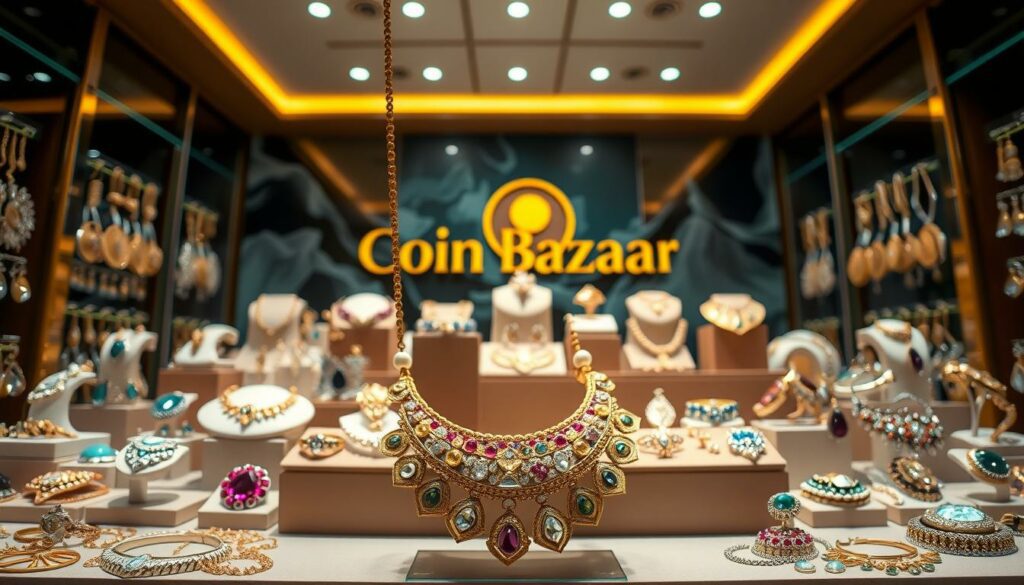
The Indian jewelry market has its own hurdles in going digital. These include limited infrastructure, not enough awareness among consumers, and the need for solutions that fit the local scene. Yet, stores are putting money into digital tools to make shopping better and easier.
| Challenge | Traditional Model | Digital Transformation |
|---|---|---|
| Infrastructure | Physical stores | E-commerce platforms |
| Consumer Experience | Personalized service | Virtual try-on, online support |
| Design and Production | Manual craftsmanship | 3D printing, CAD design |
By using digital tools, Indian jewelry stores can beat old problems and meet the changing needs of their customers.
Understanding Virtual Try-On Technology for Jewelry
Virtual try-on technology is changing how we shop for jewelry. It lets you see how jewelry looks on you without trying it on. This makes shopping more personal.
How Virtual Try-On Solutions Work
Virtual try-on for jewelry uses augmented reality (AR) and 3D product visualization. These technologies create a unique shopping experience. Let’s explore how they work together.
AR vs. VR Applications for Jewelry
AR is more commonly used in jewelry shopping than VR. AR places digital jewelry on your image in real-time. VR, however, creates a virtual world, which is less common for try-on but great for demos.
3D Modeling and Rendering Techniques
3D modeling is key for accurate jewelry digital models. Advanced rendering makes these models look real and detailed. Important features include:
- Accurate dimensioning and texturing
- Realistic lighting effects
- Dynamic movement to simulate real jewelry behavior
Current Technology Providers in the Indian Market
Several tech providers are impacting the Indian jewelry market. For example, EFFE Technology offers a Virtual Try-On Jewelry Service. It uses AR and 3D visualization. Other companies are also offering solutions tailored for India.
Integration with Existing Retail Systems
For virtual try-on to work well, it needs to connect with current retail systems. This includes inventory and CRM systems. A smooth integration means you can buy what you try on virtually, thanks to real-time inventory data.
The Current State of Jewelry Tech in India
In India, jewelry tech combines old and new. Retailers are using new tech to improve shopping. This mix is seen in how different stores use technology.
Adoption Rates Among Different Retailer Categories
Different places and types of stores use tech in different ways. Cities like Jaipur and Surat are at the forefront of 3D printing. This shows the industry’s tech potential.
Metro vs. Tier2/3 City Implementation
Metro cities use more jewelry tech than smaller cities. But, the gap is getting smaller. This is because tech is becoming more affordable and accessible.
Chain Stores vs. Independent Jewelers
Big chain stores quickly adopt new tech, including jewelry tech. They have more resources. But, small, independent jewelers are also using tech to keep up.
Consumer Awareness and Expectations
People in India want more from their jewelry shopping. They want tech that makes it interactive and personal. Stores that use jewelry tech meet these needs better.
As people get more tech-savvy, their shopping expectations change. They want a smooth online and offline experience. Stores that offer this will stand out.
How Virtual Try-On Technology Benefits Your Jewelry Business
Virtual try-on technology lets jewelry stores give customers a better shopping experience. It lets people see how jewelry looks on them without trying it on. This makes shopping more fun and personal.
Enhancing Your Customer’s Shopping Experience
Virtual try-on makes shopping more fun and interactive. Customers can try on different jewelry pieces online. This makes them happier and more likely to come back.
Reducing Your Return Rates and Associated Costs
The Virtual Try-On Jewelry Service helps businesses in many ways. It boosts sales, cuts down on returns, and makes customers more confident. This saves money and makes customers happier.
Expanding Your Market Reach Beyond Physical Limitations
Virtual try-on lets jewelry stores reach more customers. People all over the world can shop online. This opens up new markets and customers for businesses.
Technical Barriers Hindering Adoption in India
Using Virtual Try-On technology in jewelry businesses faces big technical challenges. When you think about adding this new feature, you’ll hit several hurdles. These are common in India.
Internet Connectivity and Bandwidth Issues
One big problem is internet access and speed. Many places in India, especially rural areas, have slow or no internet. For Virtual Try-On to work well, fast internet is needed. You must check if your internet can handle this technology.
Device Compatibility Challenges
Another big issue is making sure it works on all devices. People use many different phones and computers. Your Virtual Try-On must work on all these to be user-friendly. Choose a solution that fits all devices.
Software Integration with Traditional Inventory Systems
Adding Virtual Try-On to your current systems is hard. It must work well with what you already have to keep things running smoothly. This is key for good service to your customers.
| Technical Barrier | Challenge | Solution |
|---|---|---|
| Internet Connectivity | Reliable and fast internet | Assess and upgrade internet infrastructure |
| Device Compatibility | Compatibility with various devices | Choose adaptable high-tech jewelry solutions |
| Software Integration | Seamless integration with inventory systems | Ensure compatibility during implementation |
Financial Obstacles for Indian Jewelry Retailers
Financial challenges are big hurdles for Indian jewelry shops wanting to use virtual try-on. The cost of starting with jewelry tech is high. This is especially tough for small and medium-sized businesses.
Initial Implementation Costs Breakdown
The first step costs a lot. You need to pay for software, hardware like cameras, and training for staff. Here’s what you might spend:
| Component | Estimated Cost (INR) |
|---|---|
| Software Development | 5,00,000 |
| Hardware | 2,00,000 |
| Staff Training | 1,00,000 |
| Total | 8,00,000 |
ROI Timeline Expectations for Different Business Sizes
The time it takes to see a return on investment (ROI) changes with business size. Big stores might see ROI in a year because they sell more. Smaller shops might take longer.
- Large Retailers: 6-12 months
- Medium Retailers: 1-2 years
- Small Retailers: 2-3 years
Available Financing and Support Options in India
In India, there are many ways to get financing for jewelry shops. You can get loans from the government or private companies. Some tech providers also offer help and discounts to encourage using wearable technology and futuristic accessories.
Cultural and Traditional Resistance to Jewelry Tech
In India, jewelry holds deep cultural value. People often want to touch and see jewelry before buying. This makes it hard for virtual try-on tech to catch on.
The Sacred Role of Physical Touch in Indian Jewelry Shopping
Touch is key in Indian jewelry shopping. Customers like to feel and see jewelry before buying. It’s not just about quality; it’s also about feeling a connection.
The weight, texture, and details of jewelry are important. Buying without touching can be scary for many.
Jewelry is also deeply tied to Indian culture and religion. It’s a big part of weddings and other important events. This makes the shopping experience very personal and hard to replace with virtual try-on alone.
Building Trust in Virtual Experiences for High-Value Purchases
To win over consumers, trust is key, especially for expensive items. High-quality images, videos, and reviews can help. Virtual try-on that feels real can also build confidence.
Retailers can use AR to let customers see jewelry on themselves without trying it on. By adding smart jewelry and digital accessories, they can please both tech-savvy and traditional customers.
The success of virtual try-on tech depends on finding a balance. It’s about using fashion tech while respecting Indian culture and traditions.
Knowledge and Skill Gaps Among Retailers
Retailers wanting to use high-tech jewelry face a big challenge. They need to close the knowledge and skill gaps in their staff. To use virtual try-on technology well, your team must have the right technical skills.
Technical Expertise Requirements for Implementation
Setting up virtual try-on tech needs some tech know-how. Your team should be able to link this tech with your current systems. They also need to fix problems and keep the software running smoothly.
| Technical Skill | Description | Importance Level |
|---|---|---|
| Software Integration | Ability to integrate virtual try-on software with existing inventory management systems. | High |
| Troubleshooting | Skill in identifying and resolving technical issues related to virtual try-on technology. | High |
| Data Analysis | Understanding how to analyze data generated by virtual try-on technology to inform business decisions. | Medium |
Staff Training Challenges and Solutions
Teaching your team to use virtual try-on tech is key. You’ll face challenges like making sure they see its value and feel comfortable using it. To solve this, offer detailed training that includes practice and support.
By tackling the knowledge and skill gaps, you can smoothly add innovative jewelry designs and high-tech jewelry to your business. This will make shopping better for your customers.
Regulatory and Security Concerns in the Indian Context
Virtual try-on technology is becoming popular in Indian jewelry stores. It’s important to understand and handle the risks it brings. You need to know about data privacy laws and how to protect your customers.
Data Privacy Regulations Affecting Virtual Try-On Technology
Virtual try-on tech collects and uses customer data. This data must follow India’s privacy laws, like the Information Technology Act, 2000. Keeping customer data safe is not just the law; it’s also key to keeping their trust.
Consumer Protection Considerations for Virtual Purchases
When using virtual try-on, protecting your customers is vital. You must clearly share product details, like materials and weight. Also, having a good return and refund policy can ease worries about online shopping.
| Regulatory Aspect | Description | Impact on Virtual Try-On |
|---|---|---|
| Data Privacy | Compliance with data protection laws | Ensures customer data security |
| Consumer Protection | Clear product information and return policies | Builds customer trust and reduces returns |
By tackling these issues, you can make virtual try-on safe and enjoyable for your customers. This will improve their shopping experience and increase trust in your brand.
Success Stories: Effective Jewelry Tech Implementation in India
In India, jewelry retailers are making big strides in the digital world. They’re seeing great results from using virtual try-on tech. This has boosted customer interest and sales.
Revolutionizing Customer Experience: Tanishq’s Journey
Tanishq, a top jewelry brand in India, is leading the way with new tech. They’ve added virtual try-on to change how customers shop. Now, they use 3D printing for complex designs.
This move has made customers happier and opened up new product lines. It’s a big win for Tanishq.
| Key Features | Benefits |
|---|---|
| Virtual Try-On | Increased customer engagement |
| 3D Printing | Complex design capabilities |
| Digital Accessories | Enhanced customer experience |
Independent Jewelers Embracing Technology
Even small jewelers are doing well with tech. They use virtual try-on to give customers a better shopping experience. This builds loyalty and sets them apart.
These stories show how tech is changing the jewelry market in India. As more join, we’ll see even more growth and new ideas.
Practical Strategies to Overcome Adoption Barriers
Indian jewelry retailers face many challenges when adopting virtual try-on technology. To overcome these, a multi-faceted approach is needed. This includes addressing technical, financial, and cultural barriers.
Phased Implementation Approach for Your Business
Using a phased implementation approach can reduce risks. Start by adding virtual try-on to one store or online. This lets you test and improve before expanding. It helps you:
- Check the technical needs and setup
- Train your staff well
- See how customers react and adjust as needed
Collaborative Initiatives with Technology Providers
Working with tech providers can greatly benefit your business. Together, you can create innovative jewelry designs and tech-forward jewelry that attract more customers. Some advantages include:
- Getting access to the latest technology and knowledge
- Getting solutions made just for your business
- Opportunities for co-branding and marketing
Leveraging Government Digital India Initiatives
Government programs like “Make in India” and “Digital India” support tech growth and attract investment. By using these initiatives, you can:
- Get funding and subsidies for tech adoption
- Benefit from better infrastructure
- Boost your brand by supporting national goals
The Role of Indian Consumers in Driving Jewelry Tech Adoption
Indian consumers want unique and personalized jewelry. This demand is making retailers use jewelry tech. They now expect more from their shopping experiences than just traditional stores.
Changing Preferences Among Urban and Rural Customers
Urban and rural India’s tastes are changing. Urban folks love digital tools like virtual try-on for better shopping. Rural areas are getting tech-savvy too, thanks to more phones and internet.
Retailers need to keep up with these new tastes to stay in the game.
Recent data shows a big shift towards personalized jewelry. This means more people want unique pieces. Jewelry tech that offers custom experiences is becoming key.
Educating Your Customer Base About Virtual Try-On Benefits
Teaching customers about virtual try-on is key. Retailers can use in-store events, social media, and demos to show its value. By showing how it improves shopping, they can win over more customers.
“The future of jewelry retail lies in creating immersive experiences that engage customers and make them feel valued.”
By understanding and meeting Indian consumers’ changing needs, retailers can lead in jewelry tech. This keeps them competitive in a fast-changing market.
Future Trends in Jewelry Tech for the Indian Market
New technologies are changing the Indian jewelry market. Technology will be key in shaping the future of the industry.
Emerging Technologies Reshaping the Industry
The jewelry tech world is seeing big changes. AI-powered personalization and blockchain for jewelry authentication are leading the way.
AI-Powered Personalization
AI is making shopping more personal for customers. It uses data to suggest items that fit their style, boosting sales.
Blockchain for Jewelry Authentication
Blockchain helps prove jewelry is real, cutting down on fake items. This builds trust with buyers and keeps retailers’ reputations strong.
Integration with Social Commerce Platforms
Jewelry tech is also merging with social commerce. This lets retailers connect with more people and make shopping easy.
Predictions for Adoption Rates Over the Next Five Years
In the next five years, we expect more Indian retailers to use jewelry tech. As tech gets better and easier to use, more will join in.
| Technology | Current Adoption Rate | Predicted Adoption Rate in 5 Years |
|---|---|---|
| AI-Powered Personalization | 20% | 60% |
| Blockchain for Authentication | 15% | 50% |
| Social Commerce Integration | 30% | 80% |
Gaining Competitive Advantage Through Virtual Try-On Implementation
Virtual try-on technology is changing the jewelry retail world. It gives businesses a chance to stand out. By using AR technology, they can be seen as leaders in online jewelry shopping. This attracts customers who want tech-forward jewelry experiences.
Differentiating Your Jewelry Business in a Crowded Market
In a crowded market, being different is crucial. Virtual try-on technology lets you offer innovative jewelry designs and unique experiences. Here are ways to use this technology:
- Showcase your jewelry pieces in an immersive and interactive way
- Provide customers with a realistic preview of how the jewelry will look on them
- Enhance customer engagement through interactive try-on experiences
Marketing Your Virtual Experience to Tech-Savvy Consumers
To get the most from virtual try-on, market your high-tech jewelry well to tech-savvy shoppers. Here are some tips:
- Use social media to show off your virtual try-on features
- Work with influencers to reach more people who love tech-forward jewelry
- Make your website easy to use for virtual try-on, for a smooth experience
By using these strategies, you can draw in and keep customers. They’ll be looking for new and personal shopping experiences.
Conclusion: Charting the Path Forward for Indian Jewelry Retailers
The Indian jewelry industry is ready for big growth. This is thanks to new tech like virtual try-on and 3D printing. As you move into this new world, you’ll face challenges.
Understanding these challenges is key. You need to know about the technical, financial, and cultural hurdles. Then, you can find ways to get past them.
Start by training your staff and using government help. Also, teach your customers about the good things about virtual try-on tech. This will help you grow.
As the industry changes, you must keep up with new ideas. Using virtual try-on tech can make shopping better for customers. It can also help you sell more and reach more people. The future of jewelry in India is bright, and you can lead the way.